Do you think the dirtiest place in your home is the toilet? Wrong! A study combining research from the US National Sanitation Foundation (NSF) and the University of Virginia found that home environments harbor over 340 different types of bacteria, including E. coli, Salmonella, and Staphylococcus aureus, which can cause food poisoning and even kidney failure. One particular item is dirtier than a toilet seat and deserves heightened vigilance.
1. Bathroom: Flushing Spreads Bacteria; Toothbrushes and Towels Are Hardest Hit
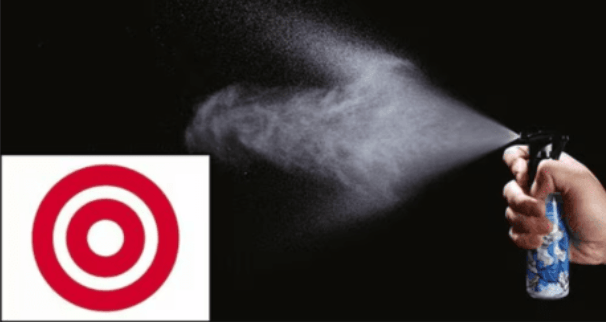
Research indicates that flushing a toilet sprays bacteria- and virus-laden water into the air. These microorganisms can remain airborne in the bathroom for nearly two hours. When they settle, they easily land on toothbrushes, towels, faucets, and wash basins, subsequently entering the human body and causing illness.
- Prevention tip: Close the toilet lid before flushing. Store toothbrushes and towels in well-ventilated areas and replace them frequently. Regularly clean bathroom rails and sinks.
2. Kitchen: Sponges Have Alarming Bacteria Levels; Soaking Dishes in the Sink Promotes Growth
The NSF found that food storage areas are more susceptible to bacterial and fecal contamination than other parts of the home. Surveys showed that over 75% of dishwashing sponges and scouring pads contained Salmonella, E. coli, and fecal matter, compared to only 9% of bathroom faucet handles.
Additionally, refrigerators, cutting boards, and sinks easily harbor bacteria. Many people habitually soak utensils and dishes in the sink for a while before washing them – this behavior instead encourages bacterial growth and can even contaminate other food.
- Prevention tip: Replace or disinfect scouring pads regularly. Avoid soaking dishes for extended periods. Thoroughly clean the sink after use.
3. Spice/Seasoning Bottles: Hotspot for Cold Virus Transmission
A 2008 University of Virginia study interviewed 30 adults with early-stage colds, identifying 10 places they had touched in their homes within the previous 18 hours, and tested them. The results showed that 41% of surfaces carried the cold virus, and every single spice bottle sample tested positive.
- Prevention tip: Thoroughly wipe down seasoning containers after each meal.
4. Remote Controls and Telephones: Touched by Many, Cleaned Rarely
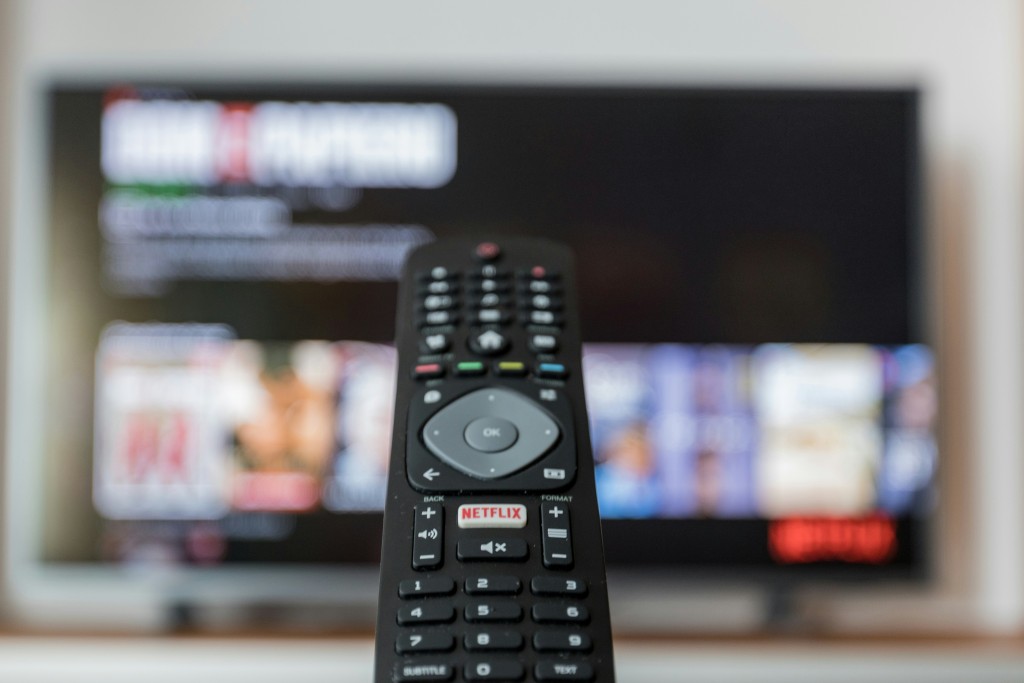
The human body naturally carries various bacteria, which are transferred to objects upon touch. Remote controls and landline phones are frequently used by multiple people but rarely cleaned, thus easily accumulating large amounts of bacteria. The same University of Virginia study found that remote control surfaces were among the most concentrated sources of cold virus spread, with half of the samples testing positive.
- Prevention tip: Regularly wipe remote controls and telephones with disinfectant wipes.
5. Computer Keyboards: Germ Levels 5 Times Higher Than Toilet Seats
A UK consumer group study found that computer keyboards tested positive for E. coli and Staphylococcus. Among 33 samples, 4 were deemed hazardous to health, with average germ levels 5 times higher than a toilet seat.
- Prevention tip: Wash hands before and after using a computer. Avoid eating while using the computer to prevent food crumbs from falling between the keys. Regularly wipe keyboards and mice with alcohol.
6. Cosmetics: Using Them Outside Increases Contamination Risk
Taking cosmetics out of the house increases their exposure to bacteria. Cosmetics should be stored in a dry, cool place, and never left for long periods in a makeup bag. Makeup tools should be cleaned weekly.
Some doctors recommend replacing cosmetics every 6 months. If you have ever had an eye infection, discard all eye makeup immediately.
Home cleaning cannot focus solely on the toilet. Items like kitchen scouring pads, spice bottles, remote controls, and computer keyboards – frequently touched yet easily overlooked – are often bacterial breeding grounds. Developing the habit of regular cleaning and replacement is essential to effectively prevent food poisoning, gastrointestinal infections, and even more serious health risks.
Content authorized for reprint by Hello醫師 (Hello Doctor)