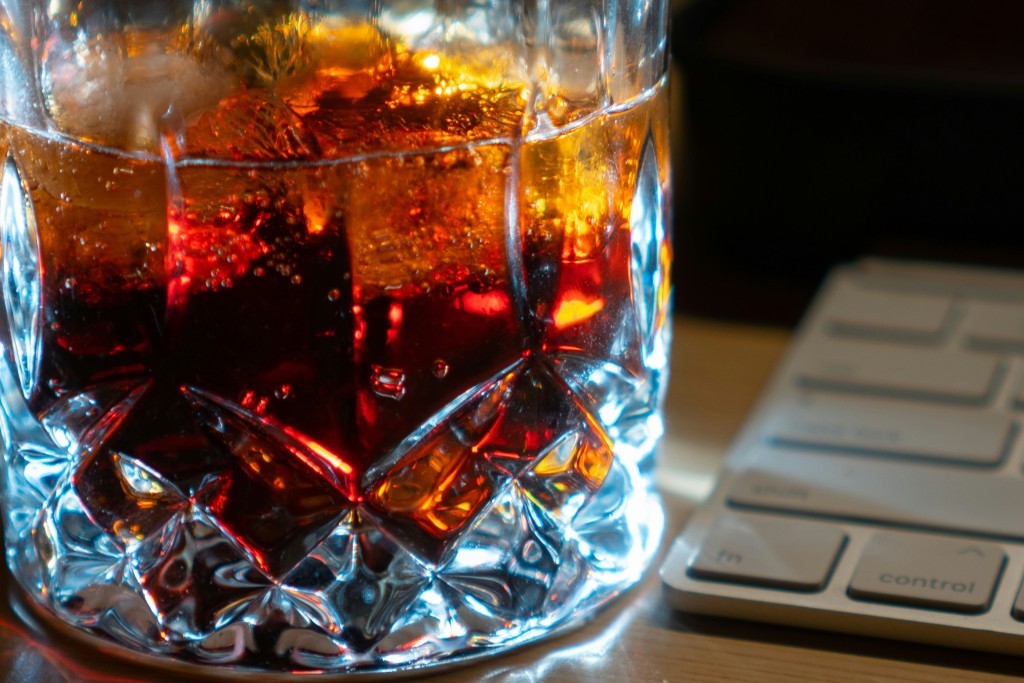
High blood pressure is a common chronic disease in Hong Kong. According to Department of Health surveys, the number of local hypertension patients is substantial, making it a silent killer that triggers fatal diseases like stroke and heart disease. The medical community has long advised patients to reduce salt (low sodium). However, food and agriculture expert Wayne, citing recent Japanese medical research on his fan page "Wayne's Agri-Food Life," points out that sugar's negative impact on blood pressure may actually be more severe than salt's, and reducing salt alone is insufficient. Specifically, liquid sugars commonly used in commercially packaged beverages, sodas, yogurt drinks, and sports drinks – such as high-fructose corn syrup (HFCS) – often contain sugar equivalent to 10-11 sugar cubes. Many hypertensive patients consume these daily, completely unaware of their blood pressure-elevating risk.
How HFCS Accelerates Arterial Hardening
Dr. Makoto Kamata, Honorary Director of Suwa Central Hospital in Japan, explains that liquid sugars are absorbed very rapidly upon entering the body, leaving insufficient time for physiological regulation. Their blood pressure-elevating effect is stronger than that of solid sugars. Studies show that fructose in HFCS acts directly on the kidneys, promoting sodium reabsorption, thereby unknowingly raising blood pressure. More threateningly, excess sugar in the body binds with proteins to form Advanced Glycation End-products (AGEs), which cause invisible stiffening and loss of elasticity in blood vessel walls, accelerating both arteriosclerosis and vascular aging.
Common Uses of HFCS
HFCS is an artificial sweetener primarily derived from corn. The process uses enzymes to convert some of the corn starch's glucose into varying concentrations of fructose, producing a mixed syrup of glucose and fructose. HFCS has a sweetness level comparable to sucrose (table sugar), with some versions being even sweeter depending on the mixture ratio. Combined with its lower cost compared to sucrose, HFCS began replacing sugar as a primary ingredient in processed foods from the 1980s onward to reduce production costs. Food manufacturers commonly use HFCS in the following products:
- Sodas
- Fruit juices
- Jams and canned fruits (acts as a preservative)
- Ice cream and popsicles
- Salad dressings and sauces (reduces sourness or vinegar taste)
- Candy
- Processed breakfast cereals
- Desserts
Higher Incidence on Monday Mornings
Beyond dietary sugar control, medical data also reminds that acute events like myocardial and cerebral infarctions predominantly occur in the morning, with the highest risk on "Monday mornings" due to the overlap of psychological and physiological stress as office workers return to work. Experts advise drinking a glass of water upon waking to dilute the blood. On Monday mornings, avoid placing excessive pressure on yourself immediately. More importantly, while hypertensive patients should follow low-sodium principles, they must also eliminate sugary drinks; otherwise, blood pressure control efforts will be significantly compromised.
What Defines Hypertension and Pre-hypertension?
According to the Population Health Survey 2020-22 conducted in Hong Kong, among the non-institutionalized population aged 15-84, 29.5% had hypertension. The average daily salt intake of this population was 8.4g, 168% of the WHO recommended maximum. According to Department of Health data, if blood pressure rises and remains persistently high, it can lead to severe health issues such as stroke, coronary heart disease, heart failure, chronic kidney disease, and even premature death.
- Hypertension Diagnosis: Systolic pressure persistently at or above 140 mmHg, or diastolic pressure persistently at or above 90 mmHg.
- Pre-hypertension: Systolic pressure between 120-139 mmHg, or diastolic pressure between 80-89 mmHg – warrants increased attention.
Severe Complications of Untreated Hypertension
Hypertension is very common among Hong Kong adults, yet many patients are unaware they have it. A survey once found that half of patients were undiagnosed. This is because hypertension often has no symptoms; a small number of patients may experience headaches, dizziness, or fatigue. Untreated or uncontrolled hypertension can lead to severe, potentially fatal consequences, including:
- Coronary heart disease and heart attack
- Heart failure
- Stroke
- Retinal vascular disease (retinopathy)
- Kidney failure
Sources: Wayne's Agri-Food Life, Department of Health (Hong Kong), Cigna Smart Health