Read More





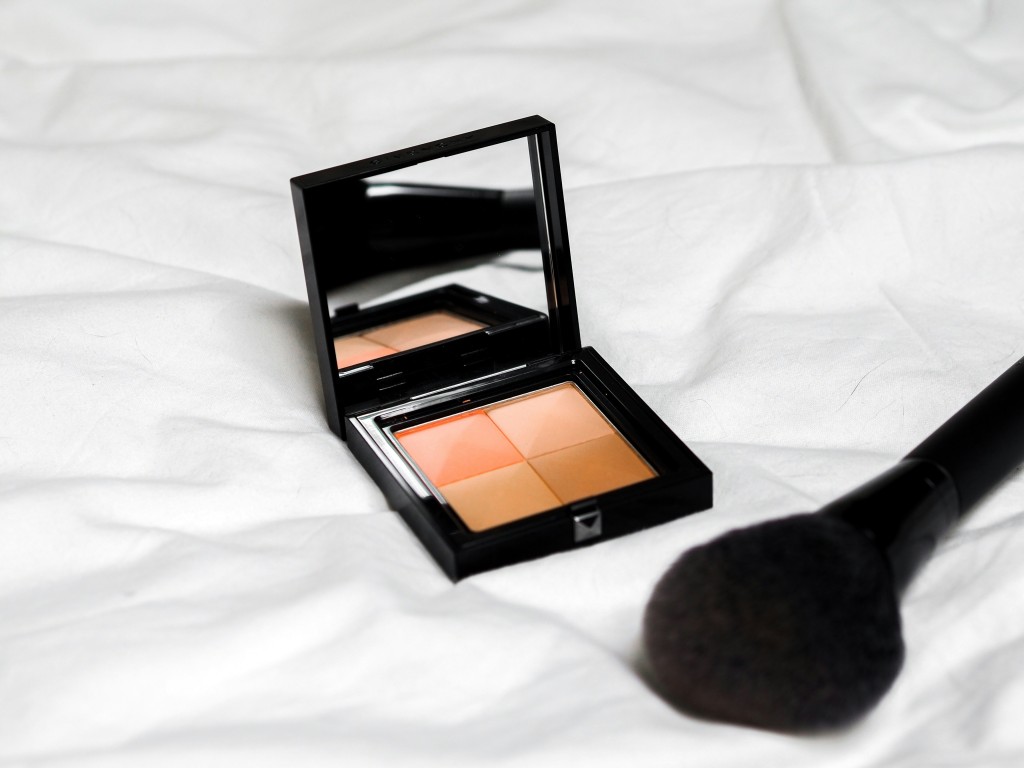
Japanese magazine LDK tests 12 face powders - 4 achieve top scores
30-05-2026 12:00 HKT

Doctor debunks 3 major egg-freezing myths
30-05-2026 12:00 HKT
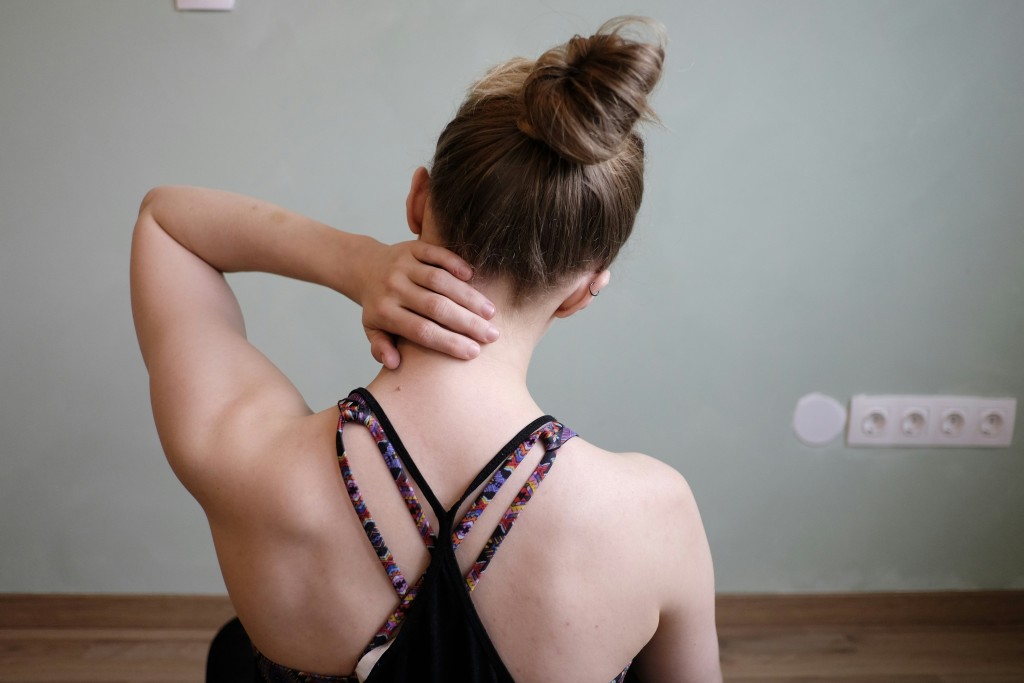





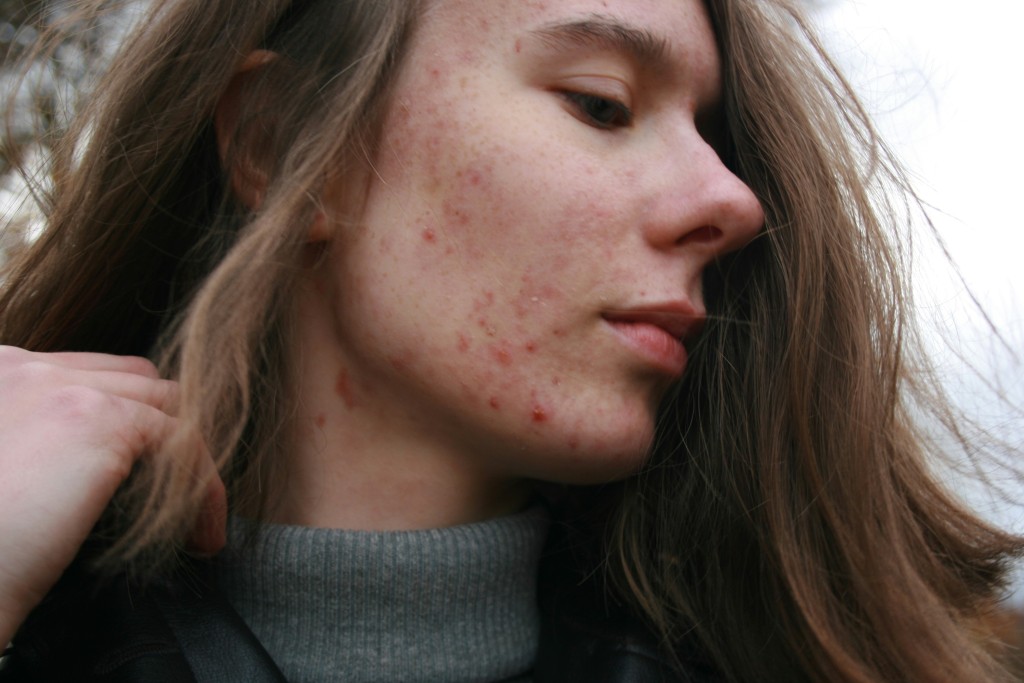
The humid and stuffy spring weather can make the body feel heavy, leading to various skin problems. Acne, eczema, fatigue, and water retention are all linked to spring dampness. Registered Chinese Medicine Practitioner Dr. Li Kwong-kei explained in an interview with Sing Tao Headline that Hong Kong's high spring humidity can worsen skin and overall health. However, with targeted adjustments—whether simple dampness-removing soups or adequate sleep—everyone can easily cope with the discomforts of spring dampness.
Li notes that the most common skin issues seen in spring clinics are acne and eczema. "As the weather gets hot and humidity rises, pores easily become blocked. With increased sebum and sweat production, acne bacteria thrive, turning comedones into inflamed acne." People with oily backs and chests are particularly prone to acne in these areas, and paying attention to cleanliness along with dietary adjustments can be very effective.
For eczema, March and April are peak flare-up months in spring, on par with November. "If eczema patients already have many skin lesions, when spring weather changes, their condition can worsen by 20-30%." Li explains that eczema manifests in various forms—it can appear as red rashes or as small blisters—but although they are all broadly called eczema, the underlying causes differ.
Many people feel especially tired in spring, as if even ten hours of sleep isn't enough. Li attributes this to "heavy dampness." "If you look at your tongue in the mirror and see a thick coating covering the entire tongue, it indicates heavy dampness." Additionally, chronic loose, foul-smelling stools are also a sign of damp-heat. "People with this constitution who experience eczema flare-ups in spring tend to recover slowly. If the damp-heat in the body can be cleared, the eczema will naturally improve."
Li emphasizes that adequate sleep is the simplest, most fundamental health practice. Getting seven hours of sleep daily helps stabilize the immune system and is especially important for preventing eczema. "It's best to use a dehumidifier or air conditioner to lower indoor humidity." He also suggests using a fan alongside dehumidification but cautions that air conditioning may worsen allergic rhinitis for some individuals.
For spring dampness, Li recommends several easy soups and teas:
For those who want to remove dampness but find making soup too time-consuming, Li shares a convenient method: "If you truly have no time to make soup, consider purchasing a prepared Poria and White Atractylodes powder supplement, taking a few pills daily." This is a quick and easy way to help improve loose stools. However, he advises consulting a Chinese Medicine practitioner before long-term use of any prepared medication.
Li cautions that not all spring rashes are eczema. He shares a recent case: "A man developed ring-shaped red rashes all over his body, thinking it was eczema, but it turned out to be pityriasis rosea." This skin condition is related to weakened immunity or enterovirus infection. It typically resolves on its own in about six weeks, often without leaving any marks—a better prognosis than eczema.
Another common spring skin issue is urticaria (hives). "Some people start itching after sunset, developing mosquito-bite-like welts that disappear after an hour or two but return at night." If this persists for more than six weeks, it becomes "chronic urticaria," indicating an immune system imbalance. This condition requires TCM constitutional treatment to reduce the frequency of flare-ups.