Have you noticed that the speed of your brain's reactions and your memory seem to undergo a "cliff-like" change at certain ages? This might not be just your imagination. A major UK study last year pointed out that the human brain experiences four important "turning points" throughout life: ages 9, 32, 66, and 83. Crossing the final threshold at 83 marks the entry into the "late-stage brain aging" phase. However, experts emphasize that no matter which stage you start from, it's never too late to combat brain aging. They recommend cultivating 5 good habits to activate brain function and enhance memory.
At 83, Entering the Late-Stage Aging Phase: Rapid Decline in Brain Function
According to Japanese media Josei Seven Plus, brain scientist Tsuyoshi Nishi points out that after crossing the age of 83, the brain enters the "late-stage aging" phase. The most notable change during this period is that the overall neural network connections in the brain become more "fragmented" than ever before. The ability for different brain regions to coordinate declines significantly, causing thinking patterns to become singular and rigid, as if the brain only uses certain fixed parts.
However, this doesn't mean we are powerless to stop brain aging. Neurologist Toshinori Kato emphasizes that we should not feel pessimistic about age. No matter what age you start preventing decline, adjusting your lifestyle and maintaining a positive attitude can effectively reduce the risk of cognitive decline. Below, compiled from the advice of several brain science and neurology experts, are 5 simple habits to help protect brain power and welcome a happy, independent old age.
5 Best Brain Maintenance Techniques
- Activate the Brain with "Nostalgia": While memory may fade, "nostalgia" is a powerful activator for stimulating the brain. Frequently looking through old family photo albums, letting the feelings of reminiscence wash over you, prompts the brain to secrete dopamine, the "happiness hormone," effectively stimulating brain cells. Similarly, belting out favorite hit songs from your youth at karaoke not only activates the brain but is also an excellent stress-relieving activity.
- Avoid Negative Topics: When seniors meet their peers, it's important not to dwell solely on heavy topics like illness and medication, nor constantly say "I'm getting old." Long-term immersion in negative emotions can unknowingly accelerate brain aging.
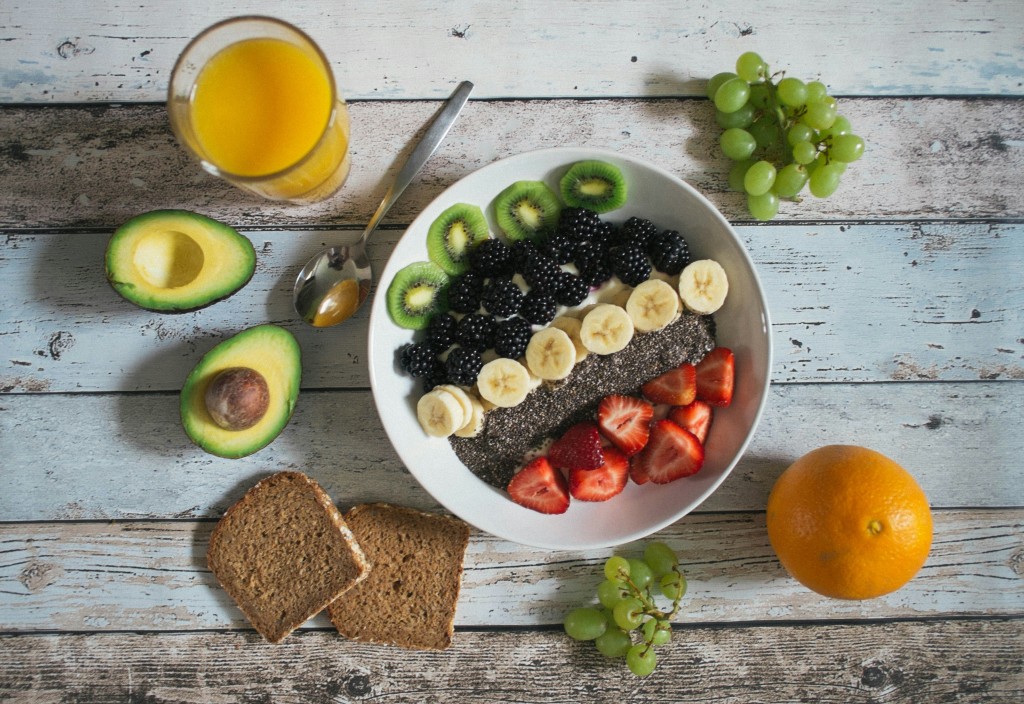
- Diversify Your Diet: After 80, diets can easily become monotonous, but the brain desperately needs diverse nutrition. Healthy fats are particularly crucial because the brain is 60% lipid. Omega-3 fatty acids (DHA, EPA) have been proven to strengthen nerve cell membranes, effectively improving cognitive function and memory. Fish, especially fatty cuts like medium-fatty tuna (chutoro), perilla oil, and avocados are excellent choices for supplementing high-quality fats for the brain. Additionally, the following nutrients are indispensable for brain and nervous system health and should be consumed in moderation:
- Glucose: Found in brown rice, buckwheat, fruits. The brain uses glucose as its energy source. Low glycemic index foods are especially recommended as they release carbohydrates slowly, providing the brain with sustained energy.
- Calcium: Found in dairy products, small fish, seaweed. Calcium is an essential mineral that facilitates the smooth transmission of messages between nerve cells.
- Iodine: Can be obtained from seaweed. It aids in the production of thyroid hormones, improving cellular metabolism and brain concentration.
- B Vitamins: Main sources are pork, eggs, seafood. They are essential vitamins for synthesizing neurotransmitters between nerve cells and also aid in cellular energy metabolism.
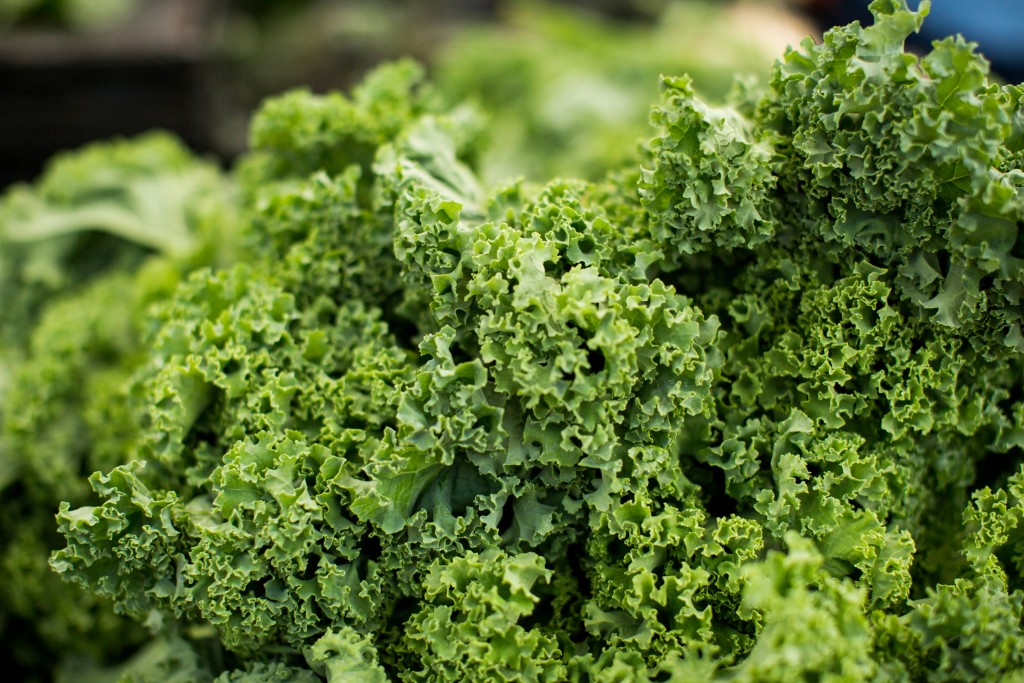
- Vitamins C and E: Main sources are green and yellow vegetables and fruits. They have antioxidant properties that can prevent brain cell aging caused by oxidative stress.
- Maintain Gentle Activity: As we age, physical activity inevitably decreases, but doing as many different activities as possible helps stimulate the brain and maintain flexibility. The key is to do what you can, avoiding strenuous exercise, and instead choose "brain-healthy activities" that are less taxing on the body:
- Daily walks
- Reading books or newspapers
- Playing puzzles, crosswords, Sudoku, etc.
- Browsing the internet for interesting news or videos
- Do as You Please: After 80, it's best not to dwell on unhappy past memories, which would burden the brain with unnecessary stress and memory load. If your health permits, travel when you want, eat what you like. Even hobbies like mahjong or card games are fine as long as you don't become overly addicted or gamble recklessly. Keeping your brain "stress-free" is the best form of maintenance.