Read More


John Lee and CY Leung lead pallbearers for Tung Chee-hwa
20-09-2026 15:54 HKT

Woman dies after suspected dog attack in Yuen Long
20-09-2026 17:27 HKT


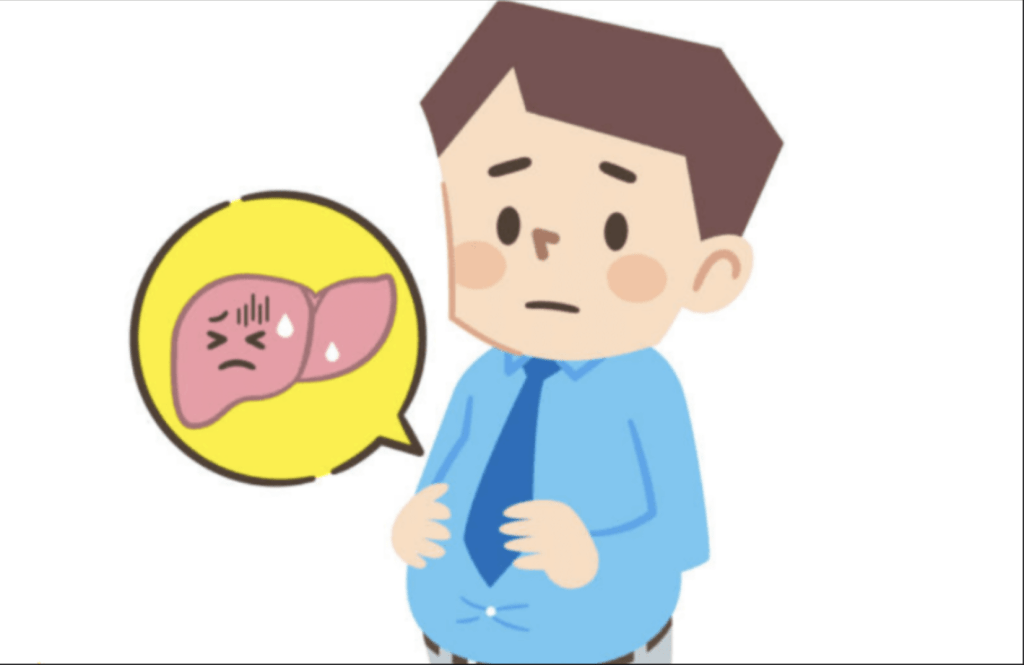
Is taking supplements necessary to improve fatty liver? A doctor points out that one can start with natural foods instead. She specifically recommends a combination of two powerhouse vegetables that can help protect the liver and aid detoxification. How should they be eaten for maximum benefit?
Otolaryngologist Dr. Jia-Shan Hsu shared on her Facebook page that she often encounters patients who discover they have fatty liver during health checks and feel increasingly fatigued, asking if they need liver-protecting medication. Instead of directly answering that question, she highly recommends the following two cruciferous vegetables that can aid liver detoxification and even improve fatty liver:
Broccoli sprouts are the tender shoots harvested 3 to 5 days after germination. Their most valuable feature is the concentration of glucoraphanin, the precursor to sulforaphane, which can be 20 to 50 times higher than in mature broccoli. Human and animal studies have shown that sulforaphanecan activate the Nrf2 pathway within cells, helping to reduce oxidative stress in the liver and improve physiological markers related to fatty liver. This indicates its significant potential benefit in improving non-alcoholic fatty liver disease (NAFLD) and regulating liver enzymes. Furthermore, it is responsible for activating the liver's phase 2 detoxification enzymes, which convert carcinogens, heavy metals, and chemical toxins into water-soluble substances, helping the body safely eliminate toxins.
Crucially, avoid high-temperature cooking as the beneficial nutrients in broccoli sprouts are heat-sensitive. It is recommended to eat them raw, chewing thoroughly, or blend them into a smoothie with fruit to fully obtain the enzyme activity needed for sulforaphane conversion.
Liver waste products are excreted into the intestine via bile. At this point, the abundant dietary fiberin cauliflower binds to these wastes, ensuring toxins are smoothly eliminated from the body. Without sufficient fiber, toxins may be reabsorbed in the intestines and recirculate back to the liver, placing a heavy burden on it and causing repeated inflammation. Additionally, cauliflower is rich in indole-3-carbinol, which helps metabolize environmental hormones like phthalates, aiding in endocrine balance and reducing the liver's metabolic load.
It is recommended to cook cauliflower by lightly steaming for 3 to 5 minutes. This preserves most of the nutrients while softening the fiber, reducing the chance of bloating.
Hsu suggests a dual approach for those looking to improve fatty liver and enhance liver detoxification, regularly clearing toxins and waste from the body:
Over 1 million people in Hong Kong are estimated to have fatty liver disease. Fatty liver is categorized into "alcoholic fatty liver disease" and "non-alcoholic fatty liver disease." According to the Department of Health, fatty liver (or steatotic liver disease) refers to the accumulation of excess fat within liver cells. The development of fatty liver is closely linked to obesity, insulin resistance, diabetes, high blood lipids, and high blood pressure.
Non-alcoholic fatty liver disease (NAFLD) refers to a range of liver conditions involving the accumulation of excess fat (more than 5% of liver volume) in liver cells, not caused by alcohol consumption or other secondary factors (like medication or inherited metabolic disorders). Common symptoms of fatty liver include:
If not addressed, fatty liver can progress to cirrhosis or liver cancer. Accurate diagnosis of fatty liver requires imaging studies such as ultrasound, CT scan, MRI, or a liver biopsy.