Read More





Washing blueberries with shell powder raises health concerns
06-06-2026 12:00 HKT


LDK tests 13 sunscreen sprays - 6 achieve A-grade
06-06-2026 12:00 HKT




Study finds sugar may be worse than salt for high blood pressure
04-06-2026 12:00 HKT



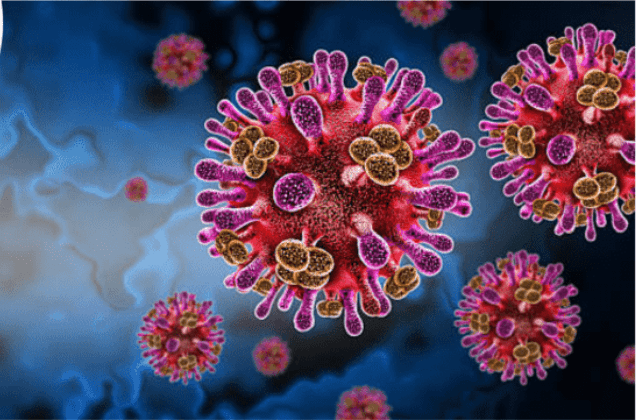
India's West Bengal state recently reported an outbreak of Nipah virus, with at least 5 confirmed cases and nearly a hundred people placed under home quarantine. As there is no preventive vaccine or specific cure for the Nipah virus, and its mortality rate can be as high as 75%, neighboring countries have implemented preventive measures and are on high alert.
International media reports indicate that infected patients are receiving treatment in hospitals in Kolkata, the state capital, and surrounding areas. One patient is in critical condition, and those infected include healthcare workers. Neighboring countries like Thailand and Nepal have stated they have strengthened epidemic surveillance to prevent the import risk of Nipah virus.
Nipah virus previously caused outbreaks in Malaysia and Singapore between 1998-1999, leading to over a hundred deaths and the culling of millions of pigs. Subsequently, Nipah virus outbreaks have also occurred in India, Bangladesh, the Philippines, and other countries.
According to the World Health Organization (WHO), Nipah virus is a zoonotic disease transmissible between animals and humans. It can spread to humans through contaminated food or via direct human-to-human transmission. Nipah virus infection was first identified in 1999 during an outbreak among pig farmers in Malaysia and is named after the village where it was first reported. The WHO estimates a case fatality rate of 40% to 75%. There is currently no therapy or vaccine available for humans or animals; treatment is mainly supportive care.
According to Hong Kong's Centre for Health Protection (CHP), Nipah virus infection can be asymptomatic. When symptoms occur, they usually begin about 4 to 14 days after infection, though the incubation period can be as long as 45 days.
Symptoms & Complications:
Transmission Routes:
The CHP notes that there is currently no vaccine to prevent Nipah virus infection. When traveling to areas affected by Nipah virus, the following measures are advised to reduce infection risk: