Can lack of sleep actually raise cholesterol? High cholesterol can form plaques that block arteries, increasing the risk of heart attack, stroke, and even dementia. A doctor proposes 5 ways to manage blood lipids and lower "bad" cholesterol in daily life, which can be more effective than relying solely on medication. How exactly does sleep affect cholesterol? Which foods can help?
According to a report by the foreign media Daily Mail, physician, fitness, and nutrition coach Dr. Kirstyn Norman explains that cholesterol is divided into LDL ("bad" cholesterol) and HDL ("good" cholesterol). The former is the main culprit promoting plaque formation, while the latter helps remove excess LDL from the blood, transporting it to the liver for clearance. When HDL levels are too low, the protective effect weakens.
Many people control their "bad" cholesterol levels with medication, but only about half of patients achieve the target. Relying solely on daily medication is insufficient. Studies show that lifestyle changes alone can lower cholesterol by one-third. Therefore, she suggests 5 major strategies to help lower "bad" cholesterol in daily life.
Ways to Lower Cholesterol 1: Maintain the Right Mindset
Maintaining the right mindset is one of the most overlooked factors for long-term cholesterol control. Norman points out that many people have an "all or nothing" extreme mindset, but being perfect all the time is unrealistic and often the reason for failure.
When work, family stress, or lack of sleep make you want to slack off, relax, or eat something that makes you happy, it's normal. However, if you consider eating one late-night snack or skipping one day of exercise as a failure and give up trying, you fall into a vicious cycle of bouncing between health goals and unhealthy habits.
Managing cholesterol is about balance, adopting a positive, flexible mindset to adapt to real life. Therefore, the first step is setting realistic expectations and creating a plan that can handle daily pressures. Without the right mindset, even the best dietary and exercise advice cannot be truly sustained.
Ways to Lower Cholesterol 2: Start with Small Dietary Changes
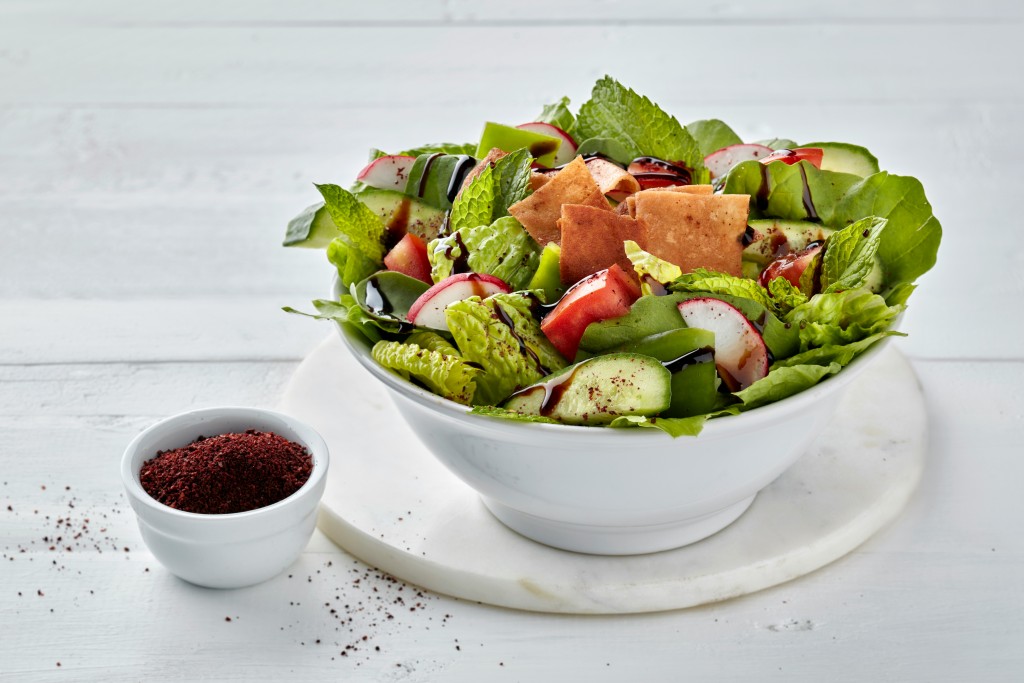
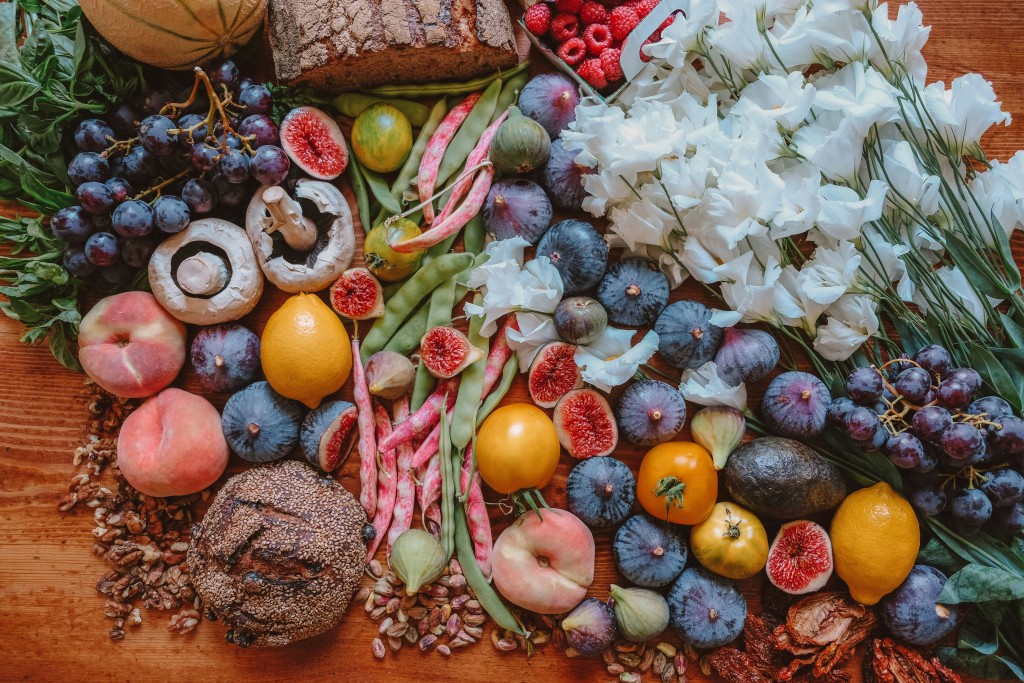
The basic dietary principle for lowering cholesterol is cooking your own nutritionally balanced meals, rich in fiber, vegetables, whole grains, and legumes, while reducing ultra-processed foods and those high in saturated fat. A balanced plate should ideally include:
- Half filled with a variety of colorful fruits or vegetables.
- One-quarter filled with whole grains or fiber-rich carbohydrates, such as brown rice, whole-wheat pasta or bread, potatoes with skin, oats, quinoa, or barley.
- One-quarter with lean protein, such as fish, skinless poultry, beans, or lentils; paired with a small amount of healthy fat, like nuts, seeds, olive oil, or nut butters.
But for busy individuals living alone whose daily diet primarily consists of highly processed foods, expecting them to suddenly cook three meals a day and quit snacking is unrealistic and difficult to maintain. Start with small, achievable changes to make progress, like eating one more serving of fruit or vegetable daily, or preparing one heart-healthy breakfast, then gradually transition to the ideal dietary pattern.
For those already used to cooking and rarely snacking but still have high "bad" cholesterol, even if their diet seems healthy, small adjustments can bring significant changes, including:
- Increasing soluble fiber: Oats are one of the most effective foods for lowering cholesterol, containing the soluble fiber beta-glucan, which forms a gel in the intestines, binds with cholesterol, and helps excrete it. Studies show regular oat consumption can lower "bad" cholesterol by about 5-10%. Try oatmeal, overnight oats, or add oats to smoothies for breakfast.
- Using plant-based foods to replace some animal products: Soy products like tofu, tempeh, soy pulp, and soy milk contain complete plant-based protein, soluble fiber, and compounds linked to improved cholesterol levels and reduced inflammation. Replacing some red or processed meats with soy products can reduce saturated fat while increasing fiber and healthier fats, enhancing heart protection.
Ways to Lower Cholesterol 3: Manage Stress
Behaviors that lead to elevated cholesterol, like skipping exercise, indulgent eating, preferring sugary and high-fat foods, and even decreased sleep quality, are often rooted in chronic stress.
Mindfulness practices, meditation, or journaling are simple stress-reduction techniques. But for many, taking half an hour daily to meditate isn't realistic. Simpler small changes, like going for a walk in the morning or taking a few quiet minutes to do puzzles, can be enough to relieve stress and break the vicious cycle.
Ways to Lower Cholesterol 4: Improve Sleep
- A 2025 Chinese study analyzing data from nearly 9,000 adults found that both excessively short and long sleep durations were associated with lower HDL ("good" cholesterol) levels.
- A 2016 King's College London study found that sleep-deprived individuals consumed an average of 385 more calories daily and tended to consume a higher proportion of fat and less protein—a dietary pattern that can worsen cholesterol levels.
Thus, sleep deprivation not only increases fatigue but also affects appetite, food choices, and metabolic health. She recommends:
- Maintaining a regular sleep schedule, going to bed and waking up at roughly the same time daily, including weekends, to regulate the body's circadian rhythm.
- Incorporating simple relaxation activities before bed, like a warm bath, reading, or breathing exercises.
- Limiting electronic screen use, caffeine, and alcohol before sleep can significantly improve sleep quality.
Ways to Lower Cholesterol 5: Be Active
Regular physical activity is one of the most effective ways to improve cholesterol levels and protect heart health. But like diet control, exercise often gives the impression of requiring immense effort, making people avoid it. In reality, you don't need to run a marathon to benefit. Research shows regular physical activity can lower "bad" cholesterol levels while raising "good" cholesterol levels. Exercise also helps the body use saturated fat as an energy source. The more you exercise, the more saturated fat muscles burn, leaving less circulating in the blood, thereby reducing "bad" cholesterol.
Importantly, any movement helps. Even brief, quick bouts of exercise have positive effects, and it's always better than being completely inactive. It's suggested to start with activities you genuinely enjoy—dancing at home, gardening, or brisk walking with your dog. Just do a little more than you do now, then progress gradually. The long-term goal is to build up to about 150 minutes of moderate-intensity exercise per week.
Strength training is also crucial. Using bodyweight exercises or simple resistance training helps strengthen and protect muscles, promoting metabolic health, controlling cholesterol, and maintaining long-term independent living ability.
High Cholesterol Risks Stroke: What Are Ideal Levels for Good and Bad Cholesterol?
The Hong Kong Department of Health notes that the sum of cholesterol in the blood is called "total cholesterol," primarily divided into "low-density lipoprotein cholesterol" (LDL, bad cholesterol) and "high-density lipoprotein cholesterol" (HDL, good cholesterol). What are ideal cholesterol levels? What are the impacts of high cholesterol?
The Department of Health states that cholesterol is a type of fat and a major component of cell walls, bile, and various hormones. Once cholesterol levels in the body become too high, blood vessels may narrow or even become blocked, leading to serious consequences like stroke and heart disease.
What is Bad Cholesterol?
Low-density lipoprotein cholesterol (LDL) accelerates the accumulation of fat in blood vessels, increasing the risk of coronary heart disease, hence its common name "bad cholesterol."
What is Good Cholesterol?
High-density lipoprotein cholesterol (HDL) helps prevent blood vessel blockage and rupture and can lower the risk of heart disease, hence its common name "good cholesterol."
Ideal Cholesterol Levels
Total cholesterol includes both "good" and "bad" cholesterol, so it should not be excessively high. Various cholesterol levels can be determined through blood tests to help assess coronary heart disease risk. The following are statistically derived ideal cholesterol levels for reference:
- Total Cholesterol: Below 5.2 mmol/L
- Low-Density Lipoprotein Cholesterol (Bad Cholesterol): Below 3.4 mmol/L (Below 2.6 mmol/L is even better)
- High-Density Lipoprotein Cholesterol (Good Cholesterol): Above 1.0 mmol/L (1.6 mmol/L or above is even better)