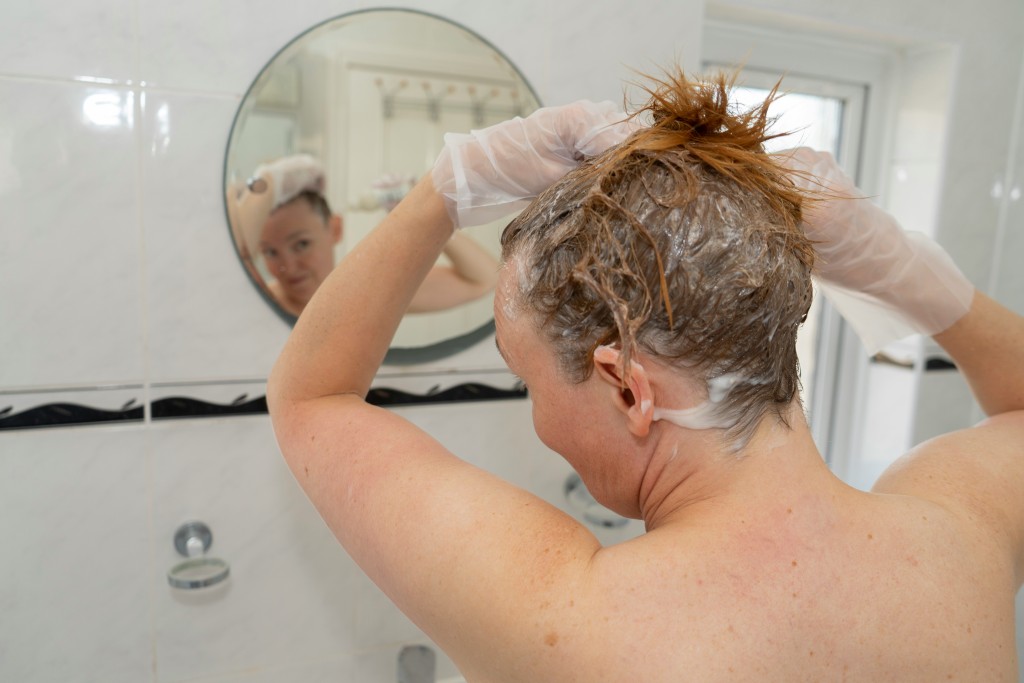
Many people in Hong Kong have the habit of using a bottle of shampoo until it is completely finished before replacing it. This seemingly economical and harmless habit might actually significantly reduce cleaning effectiveness and even cause various serious scalp problems. Dermatologist Dr. Ke Bo-heng points out that scalp health is closely related to the frequency of shampoo changes. He lists 4 key reasons why regularly changing shampoo is necessary, challenging the public's previous understanding of scalp care.
Risk 1: Imbalance of Scalp Microbiota
Various microorganisms live on the scalp's surface. A healthy scalp environment heavily depends on the ecological balance of these microbial communities. When using the same shampoo for extended periods, the product's antibacterial ingredients can cause tolerance in specific bacterial strains, gradually weakening cleansing and antibacterial effects. Once harmful bacteria take the chance to multiply, problems like dandruff, itching, and folliculitis soon follow.
Risk 2: Reduced Cleaning Efficacy
Using the same surfactants for a long time allows the scalp to gradually adapt to their cleaning mode. The sebaceous glands may also adjust their oil production in response. The result is that even with daily washing, the scalp gets oilier over time, pores become easily clogged, leading to more oil plugs (sebum plugs) and acne.
Risk 3: Accumulation of Chemical Ingredients
Many shampoos on the market contain ingredients like silicones, preservatives, or fragrances. Short-term use might not cause noticeable problems, but long-term accumulation around the scalp and hair follicles can create continuous chronic irritation. People with sensitive scalps need to be particularly cautious.
Risk 4: Failure to Adapt to Changing Scalp Conditions
Hong Kong's four seasons bring significant weather changes. In summer, heat and humidity cause increased oil production; in winter, dryness leads to flaking. Additionally, hormonal fluctuations around menstruation or high work stress can make the scalp more sensitive. The scalp's condition actually changes constantly, and a single shampoo cannot handle all situations.
How to Properly Evaluate and Choose Shampoo
Strategy 1: Regular Evaluation Every Few Months
To change shampoo correctly, evaluate your scalp condition every 1 to 3 months. Don't wait until serious problems like inflammation or hair loss develop before taking action.
Strategy 2: Switch According to Season and Symptoms
Consumers should switch products timely based on the season or current scalp condition. For example, if you notice increased oiliness recently, temporarily switch to an oil-control formula. If your scalp feels dry and itchy, change to a soothing, moisturizing type. Prepare two shampoos with different effects and use them in rotation.
Source: Dermatologist Dr. Ke Bo-heng