Could a long-term low-fat diet actually affect brain health? A 60-year-old man developed symptoms like brain fog and memory decline due to years of strict adherence to a low-fat diet. A doctor recommended he increase his intake of 3 types of high-quality fats to protect his brain and prevent dementia. After following the advice, his memory and concentration improved significantly within three months.
Dr. Liu Bor-ren, a nutritional and functional medicine expert, shared on his Facebook page the case of a 60-year-old man. Due to concerns about the "three highs" (high blood pressure, high blood sugar, high cholesterol), the man had strictly followed a low-fat diet for a long time. Breakfast often consisted of steamed buns with pickled cucumbers, and vegetables were only blanched, with almost no fat intake. However, this low-fat diet did not grant him the ideal lean physique he hoped for. Instead, it led to severe brain fog symptoms, such as immediately forgetting what he just said, difficulty concentrating, feeling mentally sluggish all day, and even starting to suspect he had dementia.
Through functional medicine testing, Liu discovered the man had a severe deficiency in essential fatty acids, and his cell membrane fluidity was extremely poor—meaning "the brain was in a 'parched' state due to lack of fat lubrication." To address this, Liu did not prescribe medication but adjusted the man's dietary strategy, advising him not to fear fats but to choose the right ones. He recommended the man incorporate the following 3 types of fats:
- Extra virgin olive oil and avocados, rich in monounsaturated fatty acids.
- Fish oil (DHA/EPA), rich in Omega-3 fatty acids.
- Lecithin.
After following the dietary adjustments for three months, the man returned for a follow-up. His eyes were noticeably brighter, and he reported that the fog in his brain seemed to have lifted, his reactions were faster, and his energy levels were much better.
Liu recommends implementing the following 4 dietary methods to help protect the brain:
1. Implement Oil Replacement, Not a No-Fat Diet
Replace soybean salad oil and blended oils at home with extra virgin olive oil or avocado oil. These oils are rich in monounsaturated fatty acids, and olive oil can be used for medium-low heat stir-frying, not just for dressings. There's no need to deliberately choose biscuits or yogurts labeled "low-fat," as such products often contain added sugar, and high sugar is the main cause of brain inflammation.
2. Choose Deep-Sea Whole Foods to Replenish Omega-3
Aim to eat oily, small to medium-sized fish like mackerel, Pacific saury, and salmon at least 2-3 times a week. If it's difficult to obtain through meals, supplement with triglyceride (TG) form fish oil, which can effectively enter the brain and exert anti-inflammatory effects.
3. A Palmful of Nuts Daily
Nuts like walnuts and almonds are good sources of plant-based Omega-3 and quality fats. Choose low-temperature roasted, unsalted nuts, and avoid those coated in sugar or fried in poor-quality oils at high temperatures.
4. Avoid Foods with Bad Fats
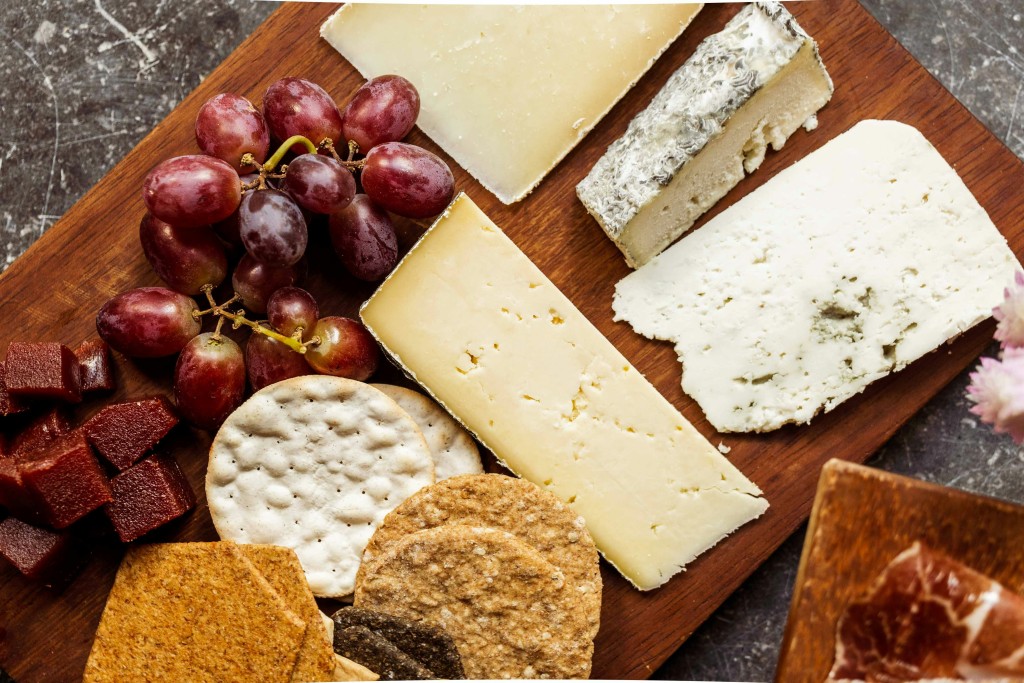
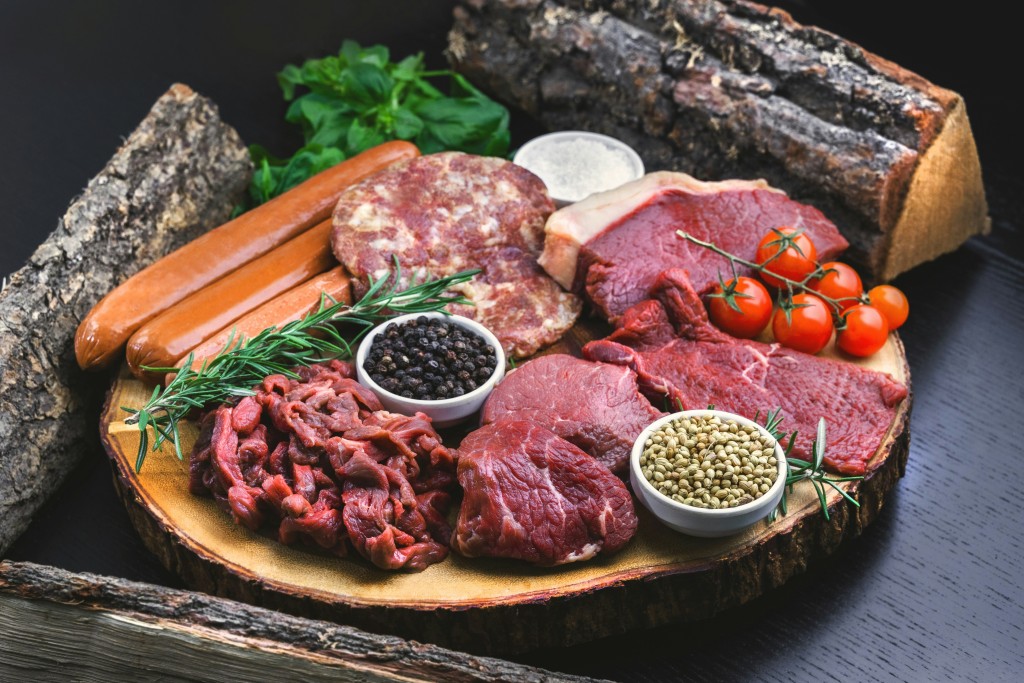
Following MIND diet recommendations, foods like red meat, butter, cheese, and fried foods are high in saturated fats or can promote inflammation and should be limited to no more than 1-2 times per week. Additionally, trans fats must be strictly avoided. Margarine, shortening, and non-dairy creamers can directly damage brain cell membrane structure.
Why Does the Brain Need Good Fats to Function?
Liu explains that the brain is 60% fat and requires quality fats to function normally. A large-scale study published by the Harvard T.H. Chan School of Public Health, which followed tens of thousands of middle-aged and older adults for 15 years to explore the relationship between fat types and cognitive decline, aligns with the core principles of the MIND diet:
- Key is Good Fat Replacement: The study found that replacing just 5% of calorie intake from saturated fats (like those in red meat and butter) with plant-based monounsaturated fats (like olive oil and nuts) significantly slowed the rate of cognitive decline, equivalent to the brain being 2-3 years younger on average.
- Omega-3 Has a Protective Effect: Individuals with higher blood levels of DHA and EPA showed slower hippocampal atrophy, indicating quality fats help build structural reserve in the brain.
- Simply Low-Fat Diet is Ineffective: The study noted that merely reducing fat intake and filling the calorie gap with refined carbohydrates like bread and noodles may actually worsen brain inflammation.
Which Oil for Frying/Baking?
The Hong Kong Consumer Council once consulted Professor Yiu Chung-ping from the Department of Applied Biology and Chemical Technology at the Hong Kong Polytechnic University for two tips on choosing cooking oil, especially for high-temperature cooking:
- How to choose cooking oil for general frying or baking temperatures?
- The main component of cooking oil (triglycerides)—saturated and monounsaturated fatty acids—is relatively heat-stable and less prone to deterioration after prolonged heating. However, consuming saturated fats can increase the risk of cardiovascular disease, so oils high in saturated fats should not be consumed excessively.
- For baking, oils are generally not reused, so the risk of deterioration is smaller. For frying where oil may be reused multiple times, it's recommended to use oils higher in monounsaturated fatty acids.
- Additionally, the chosen oil's smoke point should be higher than the cooking temperature. When the cooking temperature exceeds the smoke point, the oil produces smoke, and excessive inhalation can affect health.
- After frying, how to determine if the oil needs to be changed? Can used oil be reused?
- If the following occurs, it is recommended to discard the oil and replace it promptly:
- The frying oil color has noticeably darkened.
- There is a distinct rancid smell.
- Smoke appears at frying temperature, or persistent milky white foam forms during frying.
Daily Recommended Intake of Cooking Oil
The Consumer Council cites the Hong Kong Nutritionist Association, stating that the amount of oil consumed varies based on individual factors including energy needs, body weight, and activity level. According to WHO/FAO guidelines, total fat intake should be less than 30% of daily energy intake, saturated fatty acids should be less than 10%, and trans fatty acids should be less than 1%.
Based on the Dietary Guidelines for Chinese Residents, approximately half of total fat can come from cooking oil. The recommended intake for different age groups is as follows:
- 2-3 years old: 15-20g (4 teaspoons)
- 4-10 years old: 20-25g (5 teaspoons)
- 11-17 years old: 25-30g (6 teaspoons)
- 18 years or older: 25-30g (6 teaspoons)