Read More


Sperm count have dropped 60%: Scientists warn of environmental crisis
18-05-2026 12:00 HKT





Daily 10-minute "zero-sweat fat loss method" can reduce waistline by 5cm
14-05-2026 12:00 HKT




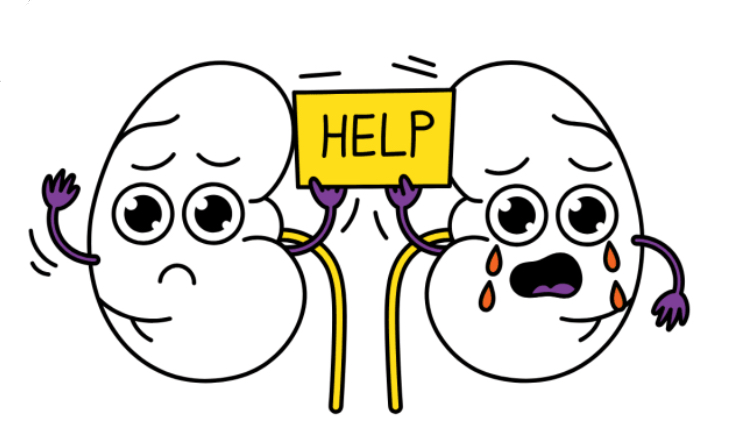
For patients with chronic kidney disease (CKD), acute kidney injury (AKI) is a nightmare. The combination of "acute" and the existing "chronic" often leads to the need for dialysis. A doctor has listed the 5 major causes of acute kidney injury. Could it be that taking cold medicine is forbidden for kidney patients?
Nephrologist Dr. Hong Yong-xiang stated in a Facebook post that according to the KDIGO (Kidney Disease: Improving Global Outcomes) guidelines, to determine if acute kidney injury has occurred, any one of the following conditions must be met:
Hong explained that medically, the causes of acute kidney injury are classified into three main categories:
Hong pointed out that although acute kidney injury is frightening, the biggest difference from chronic kidney failure is that it has the potential to be reversed. The key is to pay more attention to your own physical condition and memorize the following ranking of the 5 major causes of acute kidney injury. If you notice something wrong within the first 48 hours, seek help from a nephrologist immediately.
Hong shared a common case: a stage 4 kidney disease patient recently took some cold medicine (containing antihistamines) for a cold and noticed reduced urine output and difficulty urinating. He thought it was due to old age and didn't pay much attention. But three days later, he couldn't urinate at all and had abdominal pain and bloating. Sent to the emergency room, his creatinine had risen from 3.0 to 8.0. For middle-aged and older male kidney disease patients, prostate enlargement is the prime suspect. Combined with the bladder emptying difficulty caused by the antihistamine in the cold medicine, urine accumulated in the bladder and refluxed, impacting the kidneys. For female kidney disease patients or younger individuals, it could be a kidney stone stuck in the ureter. If you notice difficulty urinating, a thinning urine stream, or severe pain on one side of the lower back, seek medical attention immediately for an ultrasound. Addressing the cause of the obstruction and restoring smooth urination can lead to kidney function recovery.
For diagnosing other diseases, iodine-based contrast agents must sometimes be used (e.g., for cardiac catheterization, CT scans), but these can be toxic to already injured kidneys. Hong shared another case: a kidney disease patient suspected of having a myocardial infarction due to chest tightness underwent an emergency cardiac catheterization with stent placement. While the heart was saved, three days later, the nephrologist pointed out that the patient's urine output had decreased and kidney indices were rising. Hong explained that contrast agents can cause renal vasoconstriction and directly poison renal tubular cells. For kidney patients with an eGFR < 30, the risk increases exponentially. Before any examination, patients should inform their doctor of their chronic kidney disease. Adequate hydration before and after the procedure (preferably intravenous fluids), use of low-osmolar or iso-osmolar contrast agents, choosing the minimum effective dose, and pairing with N-acetylcysteine (a common expectorant) can help mitigate risk.
A kidney disease patient recently had a gout attack. Not wanting to go to the hospital, they bought a "special" painkiller from a pharmacy. After taking it for a week, the foot pain was gone, but they started experiencing edema and shortness of breath. NSAIDs (non-steroidal anti-inflammatory drugs) inhibit prostaglandins, reducing blood flow to the kidneys. Certain antibiotics (like Gentamicin), unknown herbal remedies (containing aristolochic acid), and even common kidney-protecting drugs like RAS blockers (ACE inhibitors/ARBs)—which are usually nephroprotective—can cause the kidney filtration pressure to drop too low during dehydration or illness. Hong advises kidney patients: do not believe in folk remedies, do not take unknown medications, do not buy painkillers on their own, and do not arbitrarily stop or add medications without consulting a doctor.
When the body experiences a severe infection (like pneumonia, urinary tract infection, cellulitis), it triggers a systemic inflammatory response. Bacterial toxins cause vasodilation, leading to a drop in blood pressure and insufficient kidney perfusion (prerenal AKI). Additionally, the infection causes an inflammatory storm, where inflammatory cytokines directly attack kidney cells. Hong states that to prevent AKI, flu vaccines, COVID-19 vaccines, pneumococcal vaccines, and shingles vaccines are protective talismans for kidney patients. Do not ignore minor infections; treat colds, sore throats, and red, swollen wounds immediately to prevent them from developing into sepsis.
Patients with chronic kidney disease have a poor ability to regulate body fluids. When a healthy person is dehydrated, the kidneys strongly concentrate urine to retain water. However, CKD patients' kidneys have largely lost this concentrating ability. Even when the body is dehydrated, urine continues to be excreted copiously. Body dehydration leads to depleted upstream blood flow to the kidneys, causing renal cell hypoxia and necrosis. Hong reminds kidney patients to pay attention to their daily fluid balance, observing urine output and weighing themselves daily. If you lose 1-2 kg of body weight in one day, it indicates dehydration. If vomiting, diarrhea, sunken eyes, or loss of skin elasticity occur, temporarily stop taking diuretics and seek medical attention promptly for rehydration.