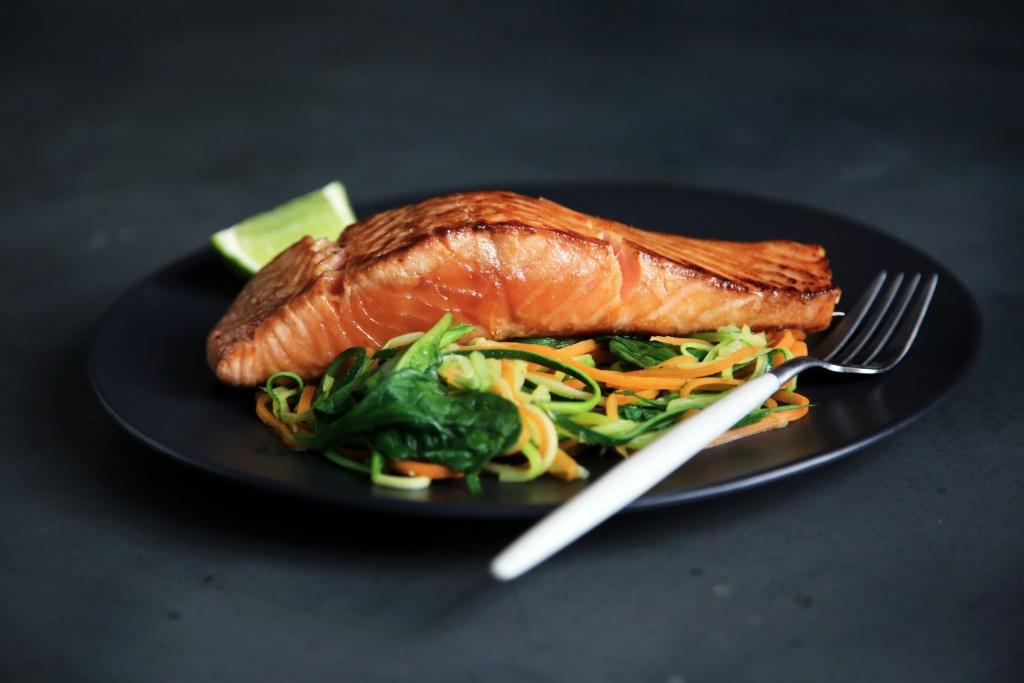
Eating fish provides high-quality protein and healthy Omega-3 fats, which are highly beneficial for weight loss and cardiovascular health. However, a nutritionist points out that different types of fish and seafood are most suitable for each of the three daily meals. For example, salmon is not recommended as a dinner choice. Additionally, cooking methods significantly impact nutrient absorption. While some cooking techniques are delicious, they can cause up to half of the nutrients to be lost, which is very wasteful.
According to a report by the Japanese media Otonanswer, Japanese nutritionist Kana Matsuda states that fish is rich and high-quality in nutrients, making it suitable for all three daily meals. However, because breakfast, lunch, and dinner serve different functions and have distinct characteristics for the body, to maximize nutrient absorption, the types of fish and seafood chosen for each meal should also differ.
Which Fish Are Best for Breakfast?
The role of breakfast is to replenish energy and regulate the circadian rhythm. In the morning, the body's absorption rates for protein, carbohydrates, DHA, and EPA are higher. Therefore, tuna, which is rich in DHA and EPA, is recommended. Tuna salad sandwiches or tuna rice balls are excellent breakfast choices.
Which Fish Are Best for Lunch?
Around noon is when metabolism is most active, making the body less prone to gaining weight at this time. Fish like salmon, mackerel, and tuna have a higher fat content and require longer digestion times, making them suitable for consumption during this period. Canned mackerel, in particular, is high in salt and is also best eaten when metabolism is active around midday.
Furthermore, around 1 PM, the body's absorption efficiency for Vitamin B12 is at its peak. This vitamin is crucial for maintaining nerve function and preventing anemia. Therefore, it's also recommended to consume seafood like oysters, clams, mussels, sardines, and Pacific saury for lunch to efficiently absorb Vitamin B12.
Which Fish Are Best for Dinner?
It is advisable to eat mild-flavored, easily digestible white-fleshed fish, such as sea bream or cod, choosing grilled fish or a small amount of sashimi. Consuming oily fish at night can disrupt sleep due to the digestive burden, leading to decreased sleep quality.
People who eat dinner late due to work should especially choose light fish dishes. However, if it's very late at night, it's best to avoid eating altogether, including seafood, to prevent adding digestive burden.
One Cooking Method Causes Fish's Nutritional Value to Drop by Half
Cooking methods affect the absorption of nutrients from fish. Nutritionist Kana Matsuda explains that high-quality fats in fish, such as DHA and EPA, are heat-sensitive and are lost during cooking. To maximize the absorption of these Omega-3s, the best way is to eat them raw, i.e., as sashimi.
Stewing or steaming fish are cooking methods that result in less nutrient loss. The nutritional essence of the fish dissolves into the broth or fish juices. When grilling fish, direct grilling can cause about 20% of the good fats to be lost. It is recommended to wrap the fish with vegetables, mushrooms, and a small amount of butter in foil before grilling, which helps prevent the waste of the fish's essence and fats. The most important thing to avoid is deep-frying, as it can nearly halve the content of nutrients like DHA in the fish.