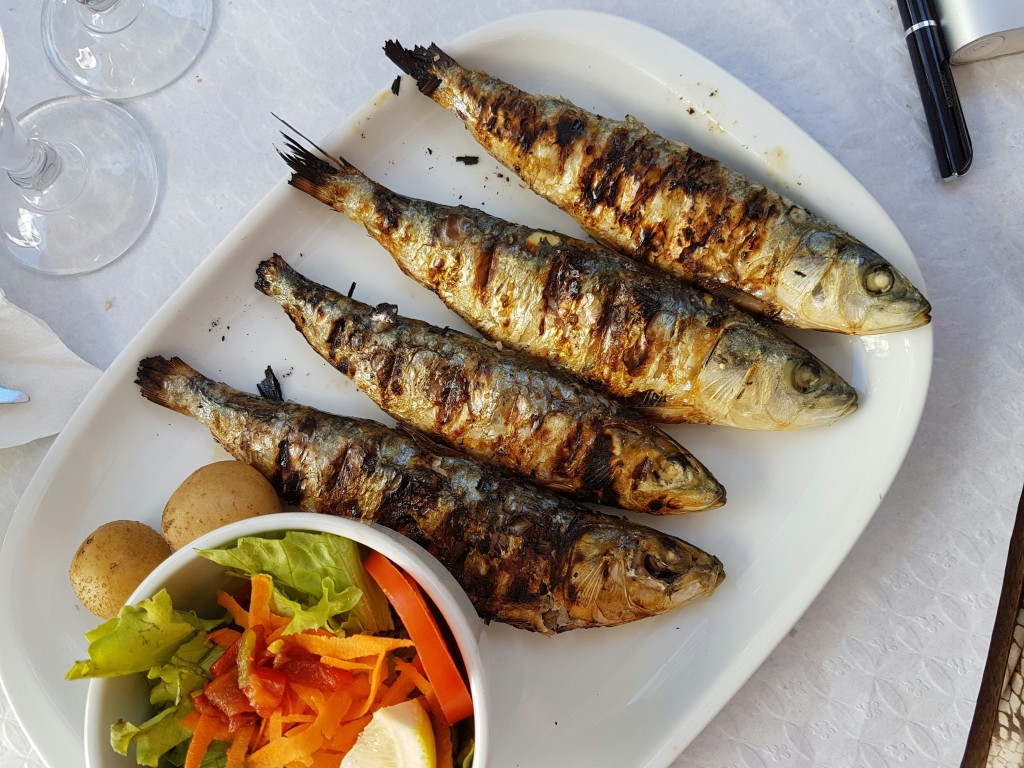
Fish is rich in nutrients but also harbors hidden food poisoning risks. A nutritionist warns that three parts of fish are prone to accumulating heavy metals, toxins, and even parasites. Frequent consumption may lead to a poisoning crisis.
Why does eating fish carry a risk of food poisoning? Nutritionist Cheung Yu-hei explained in a Facebook post that while eating fish supplements nutrition, the skin, head, and internal organs of fish also pose food poisoning risks:
3 Parts of Fish with Food Safety Risks:
- Fish Skin: Although rich in collagen and unsaturated fatty acids, it's important to note that this part most easily accumulates heavy metals like mercury and lead, especially in large marine fish.
- Fish Head: Contains nutrients like DHA, EPA, and collagen. However, toxins and parasites easily linger around the gills. They must be thoroughly cleaned before cooking.
- Fish Internal Organs: Their nutritional value is limited, but they are the parts most prone to accumulating toxins, heavy metals, and parasites. It is recommended to avoid eating them.
5 Types of Fish Dishes That May Ingest Toxins and Harm Health:
- Large Predatory Fish Dishes: Common large predatory fish include swordfish, tuna, and shark, which easily accumulate high concentrations of mercury and heavy metals. Pregnant women and young children should try to avoid them.
- Fried Fish Dishes: High-temperature frying can easily produce trans fats. Long-term consumption may increase the risk of cardiovascular disease.
- Heavily Seasoned Chinese Fish Dishes: Generally high in sodium. People with high blood pressure or those prone to edema need to exercise particular restraint, such as with braised fish or sweet and sour fish.
- Deep-Sea Fish Dishes: Although rich in Omega-3 fatty acids, some species still carry concerns about heavy metal residues. It's safer to choose smaller fish with clear origin labels, such as mackerel or Pacific saury.
- Raw Fish (Sashimi): Carries potential risks of parasite and bacterial contamination. Individuals with weaker immunity, pregnant women, and children should avoid raw consumption.
4 Safest Ways to Eat Fish: Cooking Like This Can Reduce Heavy Metals by 40%
Cheung stated that only by correctly selecting, appropriately cooking, and reasonably consuming fish can one truly intake healthy nutrition and avoid turning nutrient intake into a health risk. Learning the following four methods ensures every bite of fish is safe and nutritious:
- Remove Salmon Skin Before Pan-Frying: This method can reduce heavy metal residues by about 40%. Removing the skin after frying only reduces heavy metal content by about 20%, showing a significant difference in effectiveness.
- Prioritize Purchasing Smaller Fish Species: Such as Pacific saury, mackerel, and small yellow croaker. These species, being smaller and lower on the food chain, have relatively lower levels of contamination.
- Blanch Fish Before Making Fish Soup: This step not only removes fishy odors and impurities but also helps reduce heavy metal residues.
- Choose Branded Fish with Inspection Certifications: Purchase aquatic products with certifications like CAS labels or complete traceability records. Such branded fish, having undergone inspection and certification, have transparent sources and are safer and more reliable to eat.
What Are Common Heavy Metals in Food?
According to information from the Hong Kong Centre for Food Safety, due to the high toxicity of lead, arsenic, cadmium, and mercury (quicksilver), special attention should be paid to these four heavy metals in food, especially regarding long-term (chronic) intake. They can accumulate in the human body and damage organs, particularly affecting vulnerable groups like fetuses and young children. Although these metals can cause acute poisoning, such cases are mostly caused by non-dietary pathways. Each of these four metals forms different compounds with other elements, and the properties and toxic effects of these compounds after ingestion vary.
The Centre for Food Safety points out the intake sources of these four heavy metals as follows:
- Lead: Can enter the human body through various media including air, soil, water, and food. Studies show that smoking, cars using leaded gasoline, lead water pipes, and lead solder in food cans are major sources of lead intake for people. Suspended lead particles in the air can settle and accumulate, remaining on vegetable surfaces or being absorbed into vegetables and grains. Furthermore, lead can accumulate in edible aquatic products like shellfish and in the internal organs of land animals.
- Mercury: Besides diet, mercury can be ingested through dental fillings containing mercury compounds, occupational environments, and herbal medicines. Most dietary mercury intake is inorganic mercury. However, some large predatory fish like swordfish can accumulate significant amounts of methylmercury, a more toxic organic form.
- Arsenic: Mainly ingested through consuming aquatic products, especially shellfish and animals that forage on the seabed. Additionally, small amounts of arsenic can enter edible plants through agricultural chemicals that may contain arsenic, such as fertilizers.
- Cadmium: Cadmium is generally mainly ingested through diet, but edible crops contaminated by polluted soil or water can have higher cadmium levels. Furthermore, consuming animal kidneys, crustaceans, and mollusks, which tend to accumulate this metal, are other food sources of cadmium.