As the saying goes, "The whole day's work depends on the plan in the morning." If you want to live a long and healthy life, it turns out you should start with the first meal of the day. A Chinese medicine doctor shares 2 key breakfast secrets for longevity and for protecting your brain and stomach. How long after waking up is the "golden time" to eat breakfast?
Dr. Zhang Xue-liang, a PhD in Chinese medicine from the China Academy of Chinese Medical Sciences, points out in his book Health Preservation from the Inside Out: TCM Conditioning for Common Diseases that an ancient health regimen classic states: "During midday, Yang Qi is strong; in the evening, Yang Qi becomes deficient. Therefore, breakfast can be eaten to fullness, after noon portions should be smaller, and by evening one should be even more empty." Simply put, "Eat a good breakfast, eat a light dinner" is a golden rule for health and longevity, and it is the key to "nourishing the stomach" in Chinese medicine.
Breakfast is absolutely the most important and meaningful meal of the day. After a night's sleep, the body has been continuously consuming energy for over 10 hours without replenishment. At this time, the body urgently needs to replenish and store energy through breakfast to maintain vitality throughout the day.
- Skipping breakfast regularly not only leads to low energy and weakens digestive system function but also reduces the body's immunity against illness.
- Furthermore, fasting and hunger can cause intense cravings before lunch, leading to unintentional overeating and eventual obesity.
- The consequences of long-term breakfast skipping are even more severe, potentially triggering various chronic diseases, such as gallbladder polyps and gallstones.
To eat a "good breakfast," Dr. Zhang emphasizes the following 2 key points:
2 Key Breakfast Tips for Health and Longevity
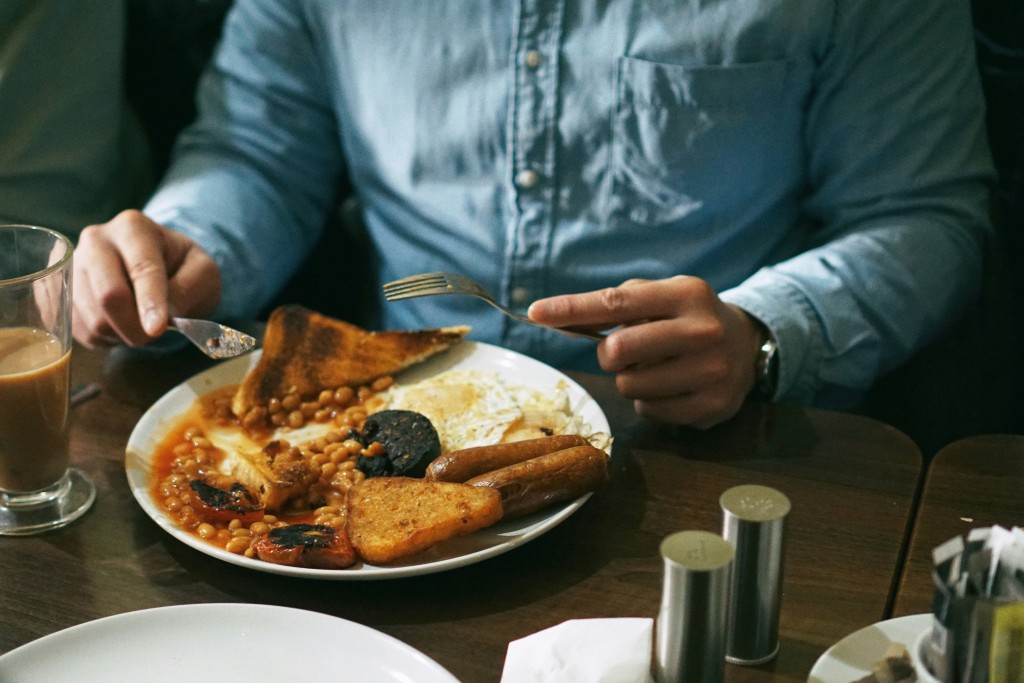
1. Breakfast Must Include Hot Foods
Cold, raw foods significantly deplete the body's middle-jiao Yang Qi. Therefore, eating warm food is essential to effectively protect stomach Qi. Upon waking in the morning, the body's muscles, nerves, and blood vessels are in a contracted state. If you consume cold foods first thing, it causes further contraction of various body systems, leading to poor blood flow. Over time, this can easily damage stomach Qi, preventing the body from absorbing the essence of food. This not only leads to loss of appetite or loose stools but can also cause a yellowish complexion, rough skin, and even make you prone to frequent colds.
2. Breakfast Should Be Hydrating and Nutritionally Balanced
A quality breakfast should feature carbohydrates as the main component. Carbohydrates not only provide ample energy and vitality for the brain but also improve the body's absorption rate of nutrients from milk or soy milk. At the same time, breakfast must provide adequate hydration to aid digestion and quench the thirst of a body that has been without fluids all night.
- Pairing: Add moderate amounts of protein and healthy fats, such as eggs, soy products, lean meat, and peanuts. This not only increases satiety but also keeps you energetic throughout the morning.
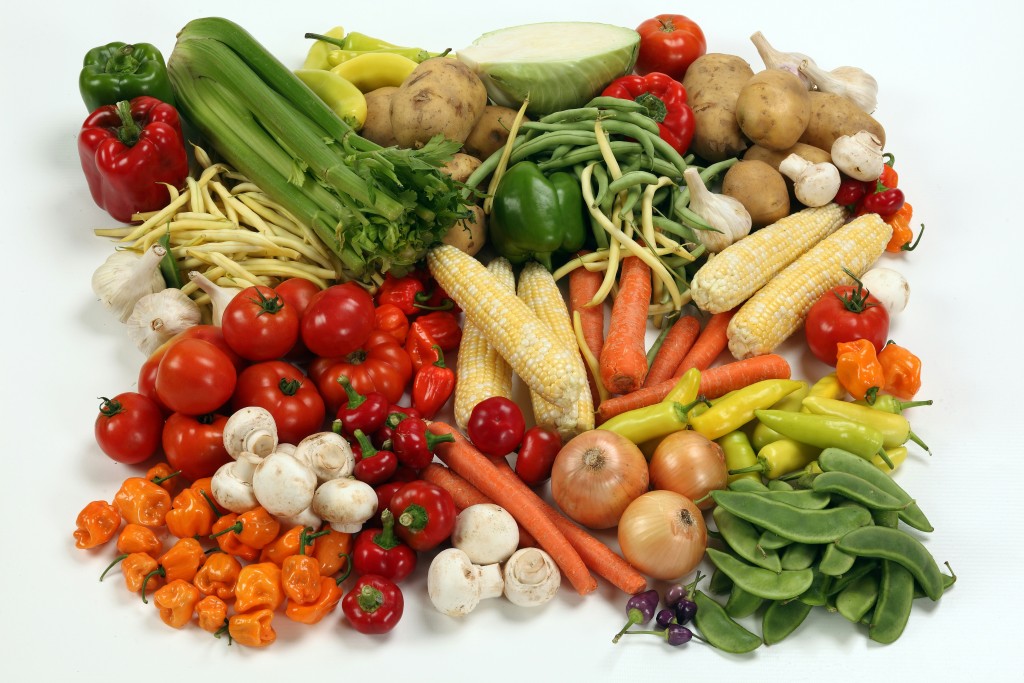
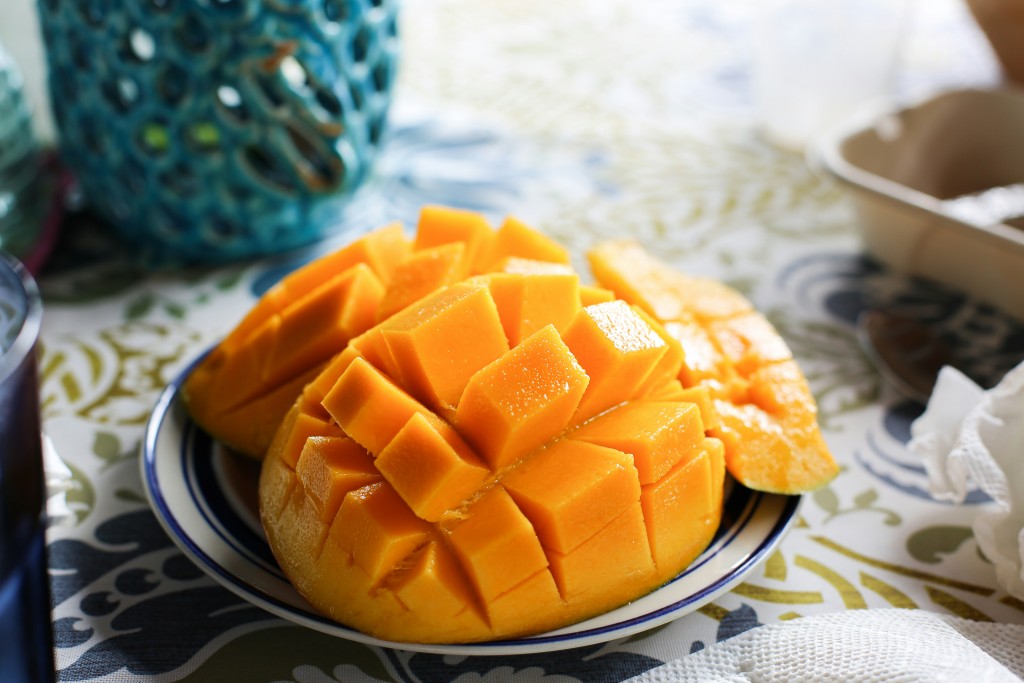
- Finally, add vegetables and fruits to supplement water-soluble vitamins and dietary fiber.
- Specific suggestions: Hot porridge, oatmeal, tofu pudding (doufunao/soybean pudding), warm soy milk, or black sesame paste, along with bread, vegetables, and fruits.
Zhang particularly reminds that for children and adolescents, skipping breakfast can severely impact their growth and development and even affect academic performance. Therefore, parents must lead by example and help their children develop good eating habits.
As for the best time to eat breakfast, it is recommended to eat about 20 to 30 minutes after waking up in the morning. This is most suitable for optimal absorption and digestion by the gastrointestinal tract.