Probiotics help promote gut health and boost immunity, but did you know that yogurt isn't actually the food with the highest probiotic content? Nutritionists point out that besides yogurt, there are 7 other foods with surprisingly high levels of probiotics, one of which also boasts cholesterol-lowering and anti-inflammatory benefits.
According to reports from foreign media Real Simple, registered dietitians Yasi Ansari, Samina Kalloo, and Jennifer Wagner explain that probiotics are live beneficial bacteria that can strengthen the existing healthy microbiome in the gut. Through this mechanism, they help build and maintain a balanced microbial ecosystem.
Research also found that probiotics can promote nutrient absorption, regulate mood, and reduce inflammatory responses. While there is no official daily recommended intake standard for probiotics or related foods yet, consuming at least one high-quality source daily remains an effective strategy for promoting gut health.
They noted that these probiotic foods are mostly fermented foods—those chemically processed by introducing bacteria, yeast, molds, or other microorganisms to enhance flavor, aroma, nutritional value, or shelf life. However, it's important to note that being a fermented food does not guarantee it contains live bacteria or scientifically proven probiotic strains with health benefits.
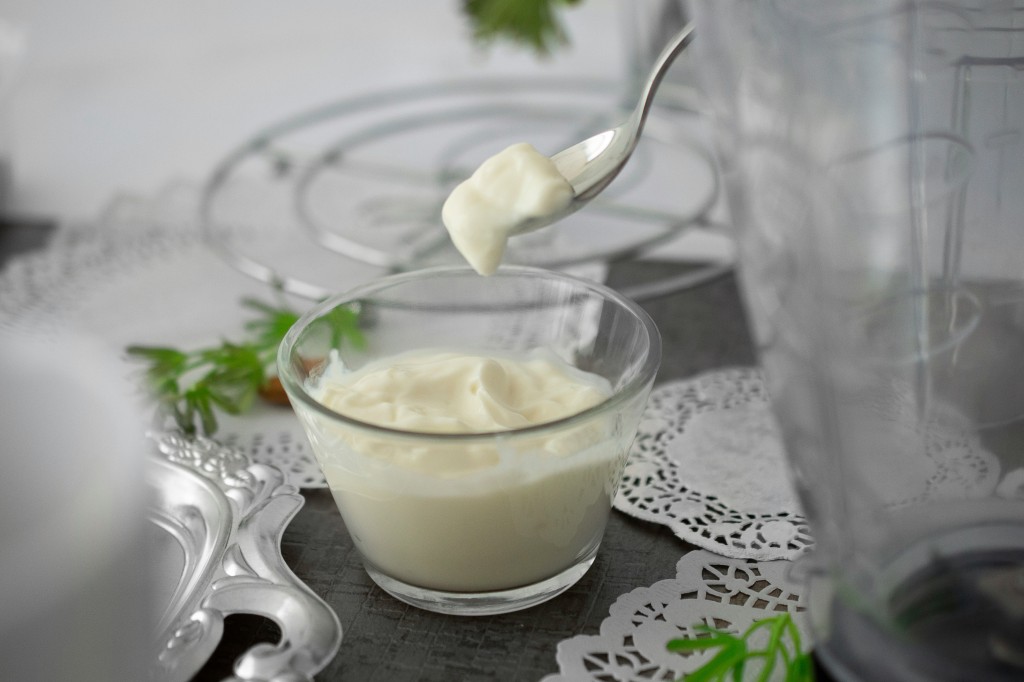
Yasi Ansari stated that while yogurt is a common and diverse first choice for probiotics, it is by no means the only source. Several dietitians have selected 7 probiotic foods whose probiotic count per serving is comparable to, or even surpasses, that of yogurt:
1. Kimchi
- Probiotic Content: 10 million to 10 billion CFU per gram.
- Benefits & Tips: A delicious, probiotic-rich natural supplement. Just a small amount can inject a large number of beneficial bacteria into the gut and add layers of flavor. Kimchi contains probiotics, antioxidants, and various nutrients like Vitamins C and A, helping to boost immunity, improve vision, and promote gut health. Its unique, robust flavor blends well into various dishes. It can be mixed into rice, paired with meat, added to turkey burgers, grain bowls, salads, or used as a flavorful topping for rice and noodles.
2. Kombucha
- Probiotic Content: 100 to 10 million CFU per milliliter.
- Benefits & Tips: Although a trendy drink and some products are high in sugar, it is a quality probiotic source. Note that its live microorganism content can fluctuate based on storage conditions and production methods. Choosing low-sugar formulations or refrigerated Jun Tea are effective ways to intake beneficial bacteria, while also obtaining anti-inflammatory substances, antioxidants, and phytonutrients. Besides being a refreshing drink, it can be mixed with citrus, herbs, and fresh juice to make non-alcoholic cocktails.
3. Miso
- Probiotic Content: 1 million to 10 million CFU per gram.
- Benefits & Tips: Miso is a fermented paste primarily made from soybeans. The fermentation process provides probiotics, aiding digestive function. It also contains minerals like manganese and zinc, which strengthen bones, teeth, and the immune system. As miso is quite salty, pay attention to portion control when using it. It's recommended for making miso soup, marinades, salad dressings, and sauces.
4. Cultured Cottage Cheese
- Probiotic Content: Up to 100 million CFU per gram.
- Benefits & Tips: Note that not all cottage cheese contains probiotics; only varieties labeled "live and active cultures" provide rich probiotics and diverse nutrition. A half-cup serving contains about 12g of protein and is also rich in calcium, phosphorus, and B vitamins, which support bone health and energy metabolism. It can be paired with boiled eggs and fresh vegetables, used as a substitute for salad dressing, or eaten with bread and baked goods.
5. Kefir
- Probiotic Content: 10 million to 100 million CFU per milliliter.
- Benefits & Tips: Kefir is a beverage fermented with specific cultures, with a texture slightly thicker than milk but less thick than yogurt. Besides containing diverse gut-beneficial bacteria, it also helps lower cholesterol and fights inflammation, and benefits bone and metabolic health. Furthermore, its fermentation process reduces lactose content, improving digestive tolerance. It can be added to smoothies, overnight oats, or served as a drink with pancakes.
6. Sauerkraut
- Probiotic Content: Highest in unpasteurized versions.
- Benefits & Tips: Rich in dietary fiber, Vitamins C, K, B vitamins, iron, and potassium, helping to strengthen immunity, bone development, and metabolism. It's recommended to choose fresh or unpasteurized sauerkraut, as these contain far more probiotics than commercially sterilized products. It can be paired with grain bowls, avocado toast, soups, salads, or grilled meats.
7. Natto
- Probiotic Content: Up to 10 billion CFU per gram.
- Benefits & Tips: Although less accepted in the West, its probiotic content surpasses yogurt. It's also rich in protein, micronutrients, and antioxidants, aiding tissue repair, immune regulation, and metabolic balance. It is recommended to consume with rice, fresh vegetables, eggs, scallions, and soy sauce.
How to Safely Choose and Take Probiotic Supplements?
Regarding tips for choosing probiotics, the Hong Kong Consumer Council has previously stated that different probiotic strains can offer different health benefits. Consumers should consult doctors and professionals to choose suitable probiotics based on their health condition and needs, as not everyone requires supplementation. When selecting and consuming probiotics, the Consumer Council recommends the following tips:
- Be aware that probiotics can have side effects. If you have any health issues or illnesses, consult a doctor first rather than taking probiotics on your own, to avoid affecting your condition.
- If purchasing on your own, understand the product information first. Choose products with more comprehensive information and whose probiotics are internationally recognized strains.
- Probiotic products can be affected by temperature and humidity. Avoid storing them in places with temperatures of 30°C or above, or that are too humid. Also, keep them out of children's reach to reduce the risk of accidental ingestion.
- Don't rely solely on probiotics. Daily intake of sufficient fruits and vegetables, maintaining a balanced diet, and regular exercise are essential for keeping the gastrointestinal tract healthy and boosting immunity.