While fried chicken and shrimp are crispy and delicious, their high fat and calorie content often deters health-conscious individuals, leading many to opt for fried vegetables as a seemingly healthier alternative. However, a nutritionist has pointed out that one particular healthy vegetable can absorb up to 430 percent of its weight in oil during frying—significantly higher than typical fried meats—primarily due to two key factors.
Nutritionist Yiu Ching-fai shared on her Facebook page that many people wonder why some fried foods taste light and crisp while others feel greasy and oily. She explains that this largely depends on the frying method and the size of the food item. Below are four common frying techniques:
- Plain Frying
- Food is marinated and then fried directly, also known as "clear frying."
- Fried meatballs: 5pc oil absorption rate
- Fried vegetables and starches: 7pc-15pc oil absorption rate (e.g., pumpkin, bell peppers, eggplant)
- Donuts: 15pc oil absorption rate
- Fried bread: 100pc oil absorption rate
- Dry Coating Fry
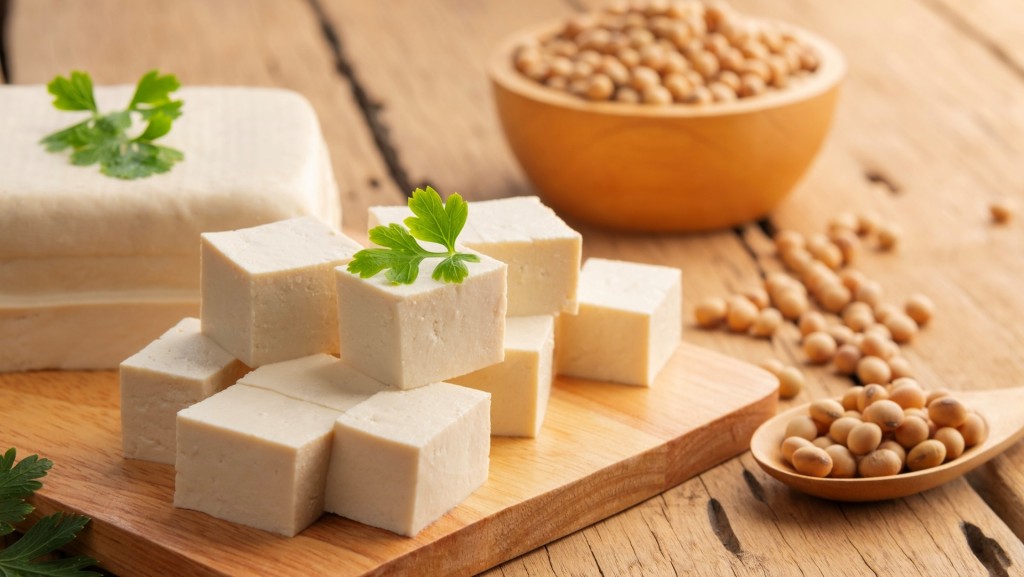
Marinated food is coated once with a layer of starch (e.g., sweet potato starch, breadcrumbs, potato starch, or wheat flour) before frying. - Fried legumes, fish, meat: 5pc-10pc oil absorption rate (e.g., fish fillets, tofu, pork, chicken)
- Crispy Fry
This involves three layers: a first layer of potato starch or flour, a second layer of batter or egg wash, and a third layer of coarse sweet potato starch or breadcrumbs before frying. This yields the crispiest texture. - Fried meat patties: Batter adheres ~15pc, 5pc oil absorption rate
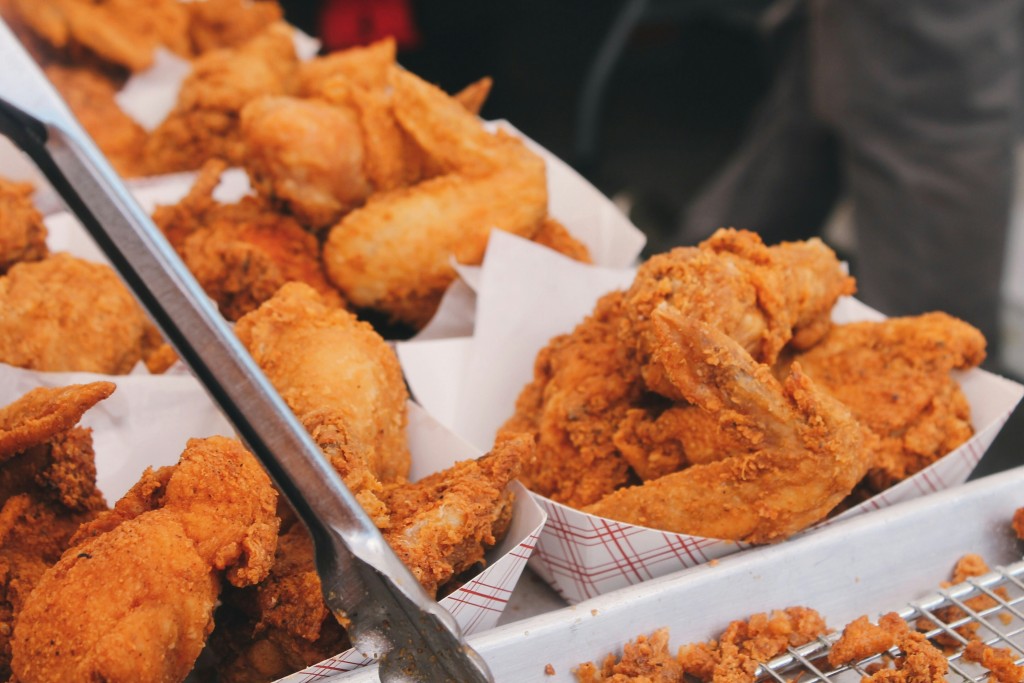
- Fried seafood and meat: Batter adheres 25pc-40pc, 10pc-20pc oil absorption rate (e.g., fried oysters, fried squid, fried shrimp, fried chicken cutlets)
- Wet Batter Fry
Marinated food is coated in batter and then fried. The batter can be made in various ways, primarily by mixing flour, water, egg, and oil. - Fried seafood and meat: Batter adheres 40pc-60pc, ~10pc-20pc oil absorption rate (e.g., fried squid, fried shrimp)
- Fried vegetables and starches: Batter adheres at least 50pc, at least 20pc oil absorption rate (e.g., fried pumpkin, lotus root, shiitake mushrooms, bell peppers, eggplant)
- Fried burdock strips: Batter adheres ~320pc, 65pc oil absorption rate
- Fried seaweed/nori: Batter adheres ~1500pc, a staggering 430pc oil absorption rate
Regarding the exceptionally high oil absorption rate of fried seaweed, Yiu explained that this is because seaweed itself is very light in weight and has a large surface area. When coated in batter and fried, it naturally soaks up a significant amount of oil.
To roughly calculate the oil absorption of a fried item, Yiu suggests using the following formula, helping you make more informed choices when purchasing fried foods:
Oil Absorbed (grams) = Weight of Food Item (grams) × Oil Absorption Rate (%)