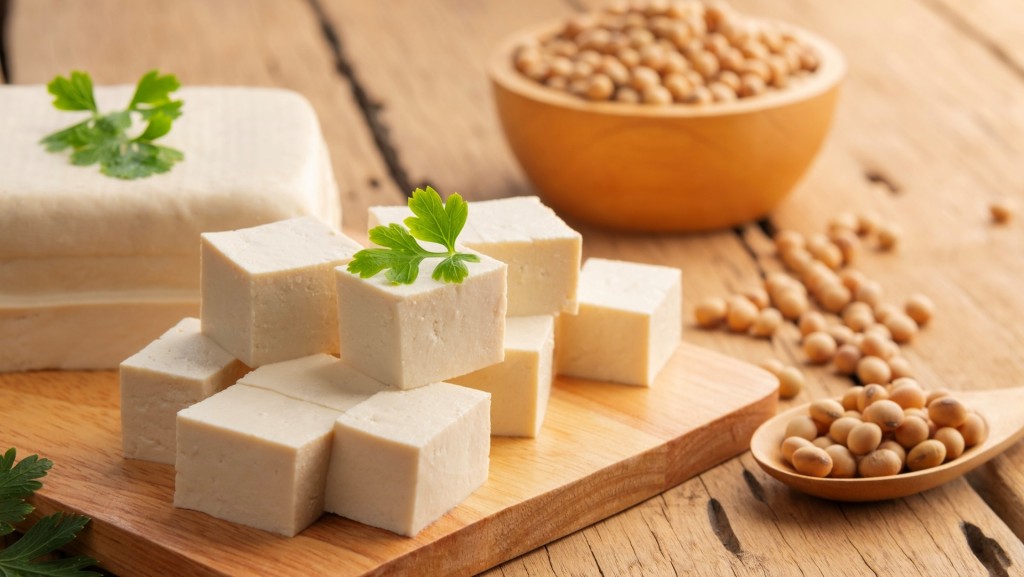
Tofu is high in protein, low in calories, and versatile in cooking methods, making it a favorite among those looking to lose weight or build muscle. A nutritionist has compared the processing methods and nutritional value of 4 types of tofu. Which is higher in calcium and protein - firm tofu or soft tofu? And which type of tofu requires the addition of oil during production, making it a hidden fat trap?
Nutritionist Oliver Yeung Zit-hung pointed out in a Facebook post that different types of tofu have varying nutritional values due to differences in processing procedures and ingredients. For example, soft tofu, firm tofu, and frozen tofu are all made from soy milk, while hundred-layer tofu's main ingredient is soy protein.
Processing Methods for Tofu Types:
- Hundred-Layer Tofu: Made by mixing ingredients like soy protein, salad oil, starch, quality improvers, and thickeners, then allowing it to solidify and set.
- Firm Tofu: Soy milk is mixed with calcium sulfate or bittern (a coagulant). Once it begins to solidify, it is poured into a mold and pressed to remove water.
- Frozen Tofu: Made by placing firm tofu in the freezer compartment of a refrigerator.
- Soft Tofu: Soy milk is mixed with glucono delta-lactone and poured into a tofu box to solidify. It does not undergo a pressing process, so it retains a higher water content.
Nutritional Value of Different Tofus (per 100g):
- Hundred-Layer Tofu
- Calories: 196 kcal (Highest calorie)
- Fat: 13 g
- Protein: 13 g (Tied for first in protein)
- Calcium: 33 mg
- Firm Tofu
- Calories: 96 kcal
- Fat: 6 g
- Protein: 10 g
- Calcium: 160 mg
- Frozen Tofu
- Calories: 131 kcal
- Fat: 13 g
- Protein: 13 g (Tied for first in protein)
- Calcium: 240 mg (Highest calcium)
- Soft Tofu
- Calories: 53 kcal (Lowest calorie)
- Fat: 3 g (Lowest fat)
- Protein: 5 g (Lowest protein)
- Calcium: 9 mg (Lowest calcium)
Yeung explained that the differences in nutrients among the various types of tofu are largely related to their water content. For instance, for the same weight, soft tofu has low calories and less protein because it contains more water. Frozen tofu, being a product of firm tofu after freezing, has less water, so its nutrient concentration per weight is naturally higher. However, the nutritional value of a single piece of frozen tofu is essentially the same as the original piece of firm tofu it was made from, just with less water weight.