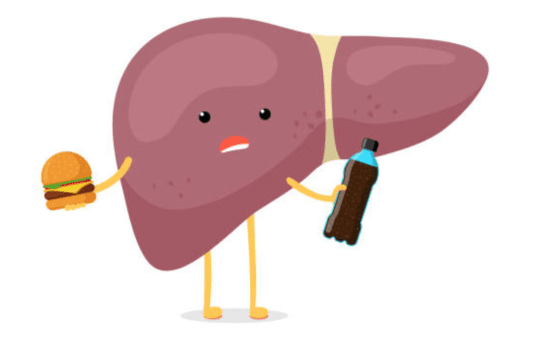
Nutritionist Cheung Yiting shared different methods to eliminate fatty liver on the Cofit Facebook page. She explains that a diagnosis of fatty liver occurs when the liver's fat content exceeds 5 percent. Failure to address the condition can lead to its progression. Prolonged exposure of liver cells to fat can cause hepatitis. Persistent liver inflammation can lead to damage and fibrosis. Severe fibrosis hardens the liver, resulting in cirrhosis, which may ultimately develop into liver cancer.
To prevent these serious outcomes, Cheung recommends six methods to rapidly improve fatty liver. Practicing them daily for 30 days can effectively reverse the condition.
6 Key Methods to Eliminate and Reverse Fatty Liver
1. Eliminate Refined Sugar
Foods containing refined sugar include regularly consumed items such as bubble tea, sugary beverages, and sauces. Research indicates that individuals who consume sugary drinks have a 53 percent higher risk of developing non-alcoholic fatty liver disease compared to those who avoid sugar.
Another study focused on 40 teenage boys with fatty liver found that restricting sugar intake to 3 percent of their total daily calories significantly reduced their average liver fat content from 25 percent to 17 percent.
2. Abstain from Alcohol
Alcohol promotes the accumulation of visceral fat in the abdomen, which produces inflammatory substances. As the body's primary detoxification organ, the liver prioritizes metabolizing alcohol. Concurrent intake of alcohol and excess calories leads to the accumulation of unmetabolized energy in the liver, suppressing fat metabolism and worsening fatty liver and abdominal fat. Alcohol also increases appetite and reduces feelings of fullness, leading to excessive calorie intake and further energy accumulation in the liver.
3. Practice High-Intensity Interval Training (HIIT)
Studies show that aerobic exercise is more effective than weight training in reducing liver fat, promoting fat breakdown, and improving blood lipid levels. It is recommended to engage in 150 to 300 minutes of moderate-intensity aerobic exercise or 75 to 150 minutes of high-intensity aerobic exercise per week.
For rapid results, research indicates that four weeks of HIIT can significantly reduce liver fat and liver risk indices. A key HIIT protocol involves maintaining 80 percent of peak oxygen uptake for four minutes, followed by 50 percent for three minutes, burning approximately 400 calories.
4. Adopt the Mediterranean Diet
Evidence suggests that the Mediterranean diet effectively improves liver function. The diet is based on the principle of "five increases and three decreases": increase vegetables, whole grains, nuts, legumes, and lean meat; decrease red meat, refined sugar, and processed foods.
It includes rich sources of monounsaturated fats like olive oil, and polyunsaturated fatty acids from fish, nuts, and flaxseeds, which help regulate antioxidant signaling pathways and internal inflammatory processes.
5. Implement Intermittent Fasting
Combining intermittent fasting with exercise effectively reduces liver fat in patients with non-alcoholic fatty liver disease. However, it may not offer additional benefits compared to fasting alone.
6. Avoid Electronic Devices Before Bed
Staying up late and having irregular sleep patterns cause chronic stress, leading to insulin resistance, which affects liver fat metabolism. This can also increase cravings for high-energy foods, reduce metabolic rate and energy expenditure, and exacerbate inflammatory responses.
It is advised to minimize electronic device use one hour before sleep to avoid blue light suppressing melatonin secretion and disrupting sleep quality. Establishing a regular sleep schedule and ensuring a quiet, dark sleep environment can help regulate the body's circadian rhythm.
Common Symptoms of Fatty Liver
Fatty liver is categorized as "alcoholic fatty liver disease" and "non-alcoholic fatty liver disease," with the latter being more common. According to Hong Kong's Department of Health, non-alcoholic fatty liver disease refers to a range of liver conditions caused by excessive fat accumulation in liver cells, which can progress to fibrosis, cirrhosis, liver failure, or liver cancer. This fat buildup is not related to alcohol consumption or other secondary factors.
Common symptoms of fatty liver include loss of appetite, nausea, vomiting, discomfort in the upper right abdomen, and fatigue. In severe cases, it may lead to liver enlargement. Accurate diagnosis typically requires imaging tests such as ultrasound, CT scans, or MRI, or a liver biopsy.