Hong Kong has entered the peak of the winter flu season, placing patients with chronic obstructive pulmonary disease (COPD) at heightened risk of infections and acute exacerbations. Respiratory specialists warn that once a COPD exacerbation occurs, lung function can decline more rapidly, raising the likelihood of hospitalisation and death while adding pressure on the healthcare system. Early stabilisation and personalised disease management are therefore critical for both patient outcomes and system resilience.
Vicious Cycle of Acute Exacerbations
Dr. Kwok Wang-chun, clinical assistant professor at the University of Hong Kong’s Li Ka Shing Faculty of Medicine, and specialist in respiratory medicine, notes that common COPD symptoms include shortness of breath, wheezing, coughing, and reduced exercise capacity. Symptoms typically worsen as the disease progresses. In severe cases, patients may require long-term oxygen therapy or become bedridden. Clinically, respiratory infections are a leading trigger of acute exacerbations, which can cause irreversible setbacks in lung function, perpetuating a vicious cycle.
Local Study: Hospitalisations and Healthcare Costs Climb
Acute exacerbations not only harm patients’ health but also significantly increase healthcare utilisation. Citing a three-year local study, Dr. Kwok highlights that more than 10,000 patients were hospitalised for COPD exacerbations, accounting for over 25,000 admissions and exceeding HK$1.2 billion in healthcare expenditure, figures that warrant urgent attention.
Preventing Exacerbations
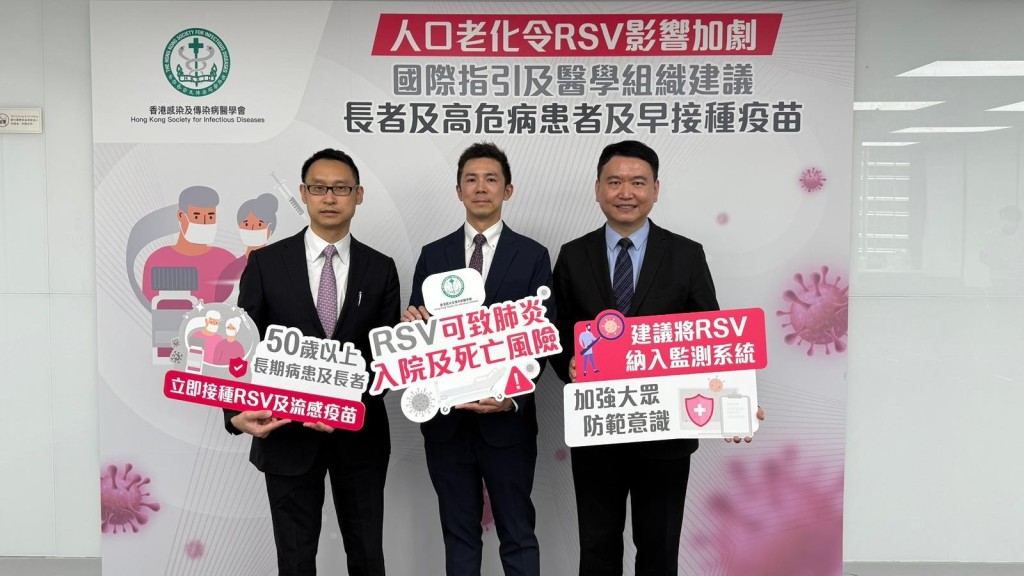
Preventing infections is central to reducing exacerbation risk. Dr. Kwok recommends that COPD patients receive annual seasonal influenza vaccination and pneumococcal vaccination to guard against lower respiratory tract infections and reduce the likelihood of acute flare-ups.
Besides, COPD patients with Type 2 inflammation—typically indicated by blood eosinophils ≥300/μL—face particularly high exacerbation risk and faster lung function decline. New biologic therapies, which precisely target Type 2 inflammatory pathways, have been incorporated into the international GOLD guidelines. Clinical studies show biologics can reduce the rate of acute exacerbations by 29% to 34%, while improving lung function and quality of life, which offering an important option for patients with Type 2 inflammation. Patients are advised to discuss with their doctors to understand and tailor suitable treatment options.
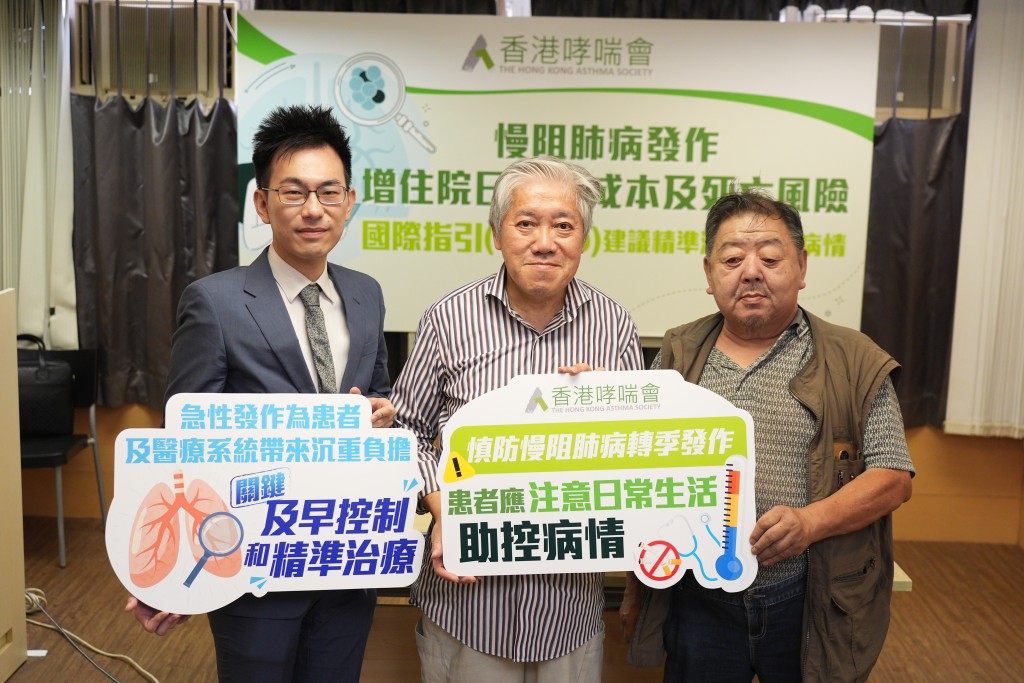
Beyond medical therapy, daily self-management remains vital. Mr. Chan Wing-kai, Chairman of the Hong Kong Asthma Society, urges patients to quit smoking and avoid second-hand smoke. With seasonal weather shifts approaching, patients should also keep warm during cold snaps and large temperature swings to minimise airway irritation caused by sudden changes.