Read More
As the Lunar New Year was celebrated in the mainland, state media - including CCTV and CGTN - stopped referring to it as the Year of the Dragon. Rather, they employed the phonetic transliteration loong in their narration for the first time.
ADVERTISEMENT
SCROLL TO CONTINUE WITH CONTENT
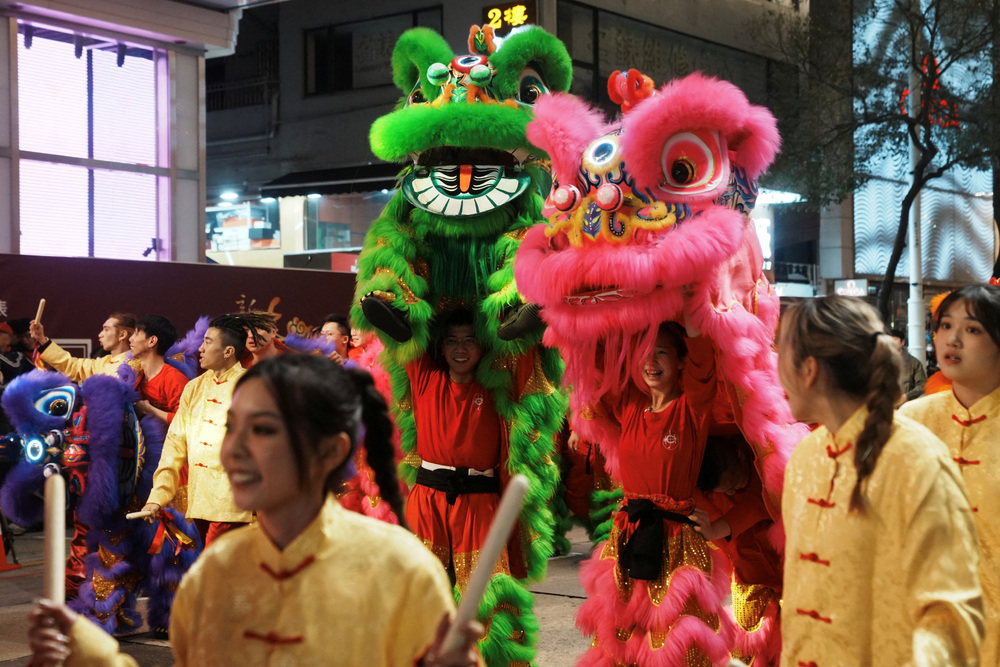
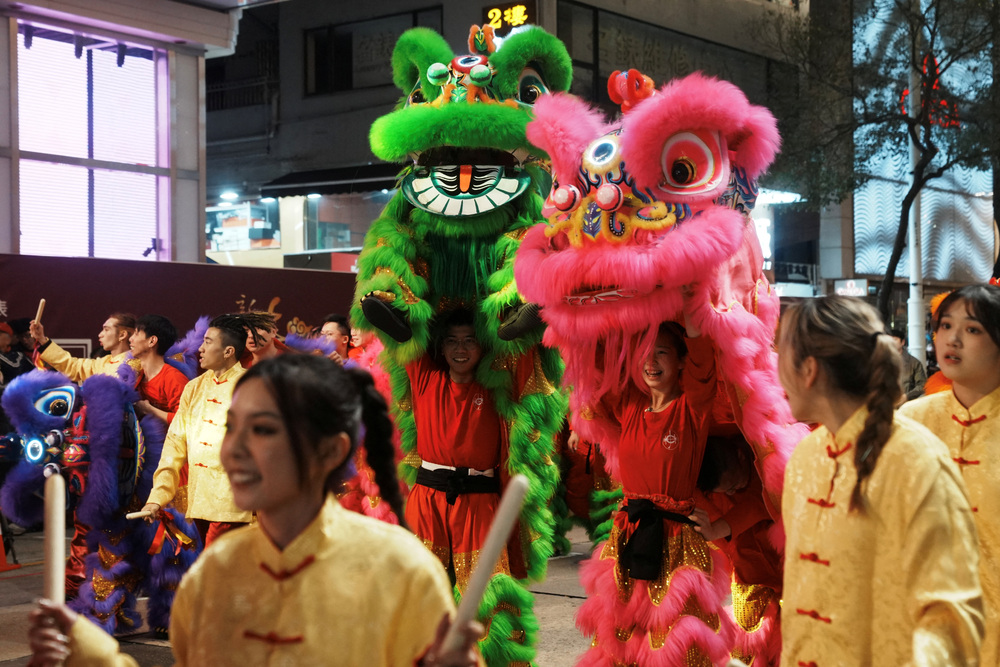
Chief Executive John Lee Ka-chiu also adopted loong in his remarks as he opened the 2024 International Chinese New Year Night Parade - though not forgetting to add that people usually called it the "dragon."
Apparently, Lee was aware that foreigners in the audience - including members of overseas teams participating in the parade - would have likely failed to understand what he said had he not taken the additional step to explain his remarks a little further.
Aha, the audience got it - loong and "dragon" were the same.
Due to the explanation, the guests had no problem knowing the event was about the Year of the Dragon as they understood it to be.
This was despite state media being at pains to emphasize the two terms were not exactly the same.
Loong, in the Chinese context, was an auspicious mythical creature symbolic of imperial power whereas, as the state media asserted, "dragon" in the Western context was less than auspicious and "evil" at times.
That would certainly surprise countries like Wales, which is part of the United Kingdom.
Scholars cited in these reports may not know that the Welsh, for example, are proud of the Red Dragon in their national flag. For the Welsh, it stands for bravery and strength and the flag has been used historically in battles against invaders.
The incident quickly ignited a heated debate on the internet, with some political analysts racing to associate the transliteration by CCTV and CGTN as attempts by the Chinese to be assertive culturally.
Although that political observation have a hint of truth, it remains pure speculation.
Rather, it would be more fruitful to keep the debate within the domain of language - in other words, what a language is basically about.
The mythical zodiac creature of loong in Chinese was translated into "dragon" in an entry reportedly made to the world's first Chinese-English dictionary and "dragon" has been accepted as the standard English translation ever since.
As a matter of fact, the mythical creature is known variously in different places. For example, it is called naga in Indonesia, rong or long in Vietnam, and yeong or yong in Korea.
As the debate intensifies, it would make better sense to keep it to the fundamentals of communication.
It was fine for the Chinese to call the mythical beast loong, Indonesians to call it naga and Vietnamese to say rong as they celebrated LNY across Asia. By the same token, an English speaker would know exactly what a dragon entailed.
Languages are always vibrant and dynamic.
It is fine for the zodiac year to be known as the Year of the Loong in Chinese, Naga in Indonesia, Rong in Vietnam and Dragon in English.
Do they really conflict each other?