Read More
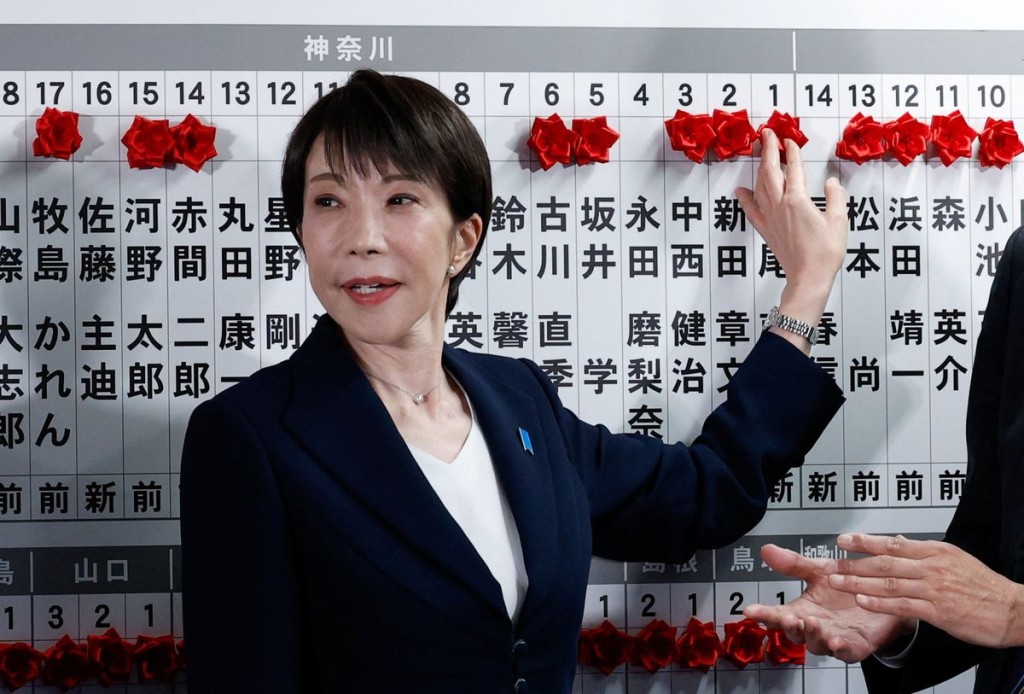
The landslide victory of Japan Prime Minister Sanae Takaichi and her Liberal Democratic party has ignited the stock market and a wave of political optimism unseen since the Abe era. Her potent blend of populist economic promises – slashing consumption tax while boosting defense and government-led stimulus – has captivated a generation weary of decades of economic stagnation. Yet, as her cabinet celebrates record poll numbers and a surging Nikkei, the critical question emerges: How long can this honeymoon period last? The foundations of Takaichi’s agenda are already being tested by the harsh realities of inflation, fiscal constraints, and dangerously escalating regional tensions.
ADVERTISEMENT
SCROLL TO CONTINUE WITH CONTENT
The populist economic formula and its fiscal peril
Takaichi’s playbook is a bold revival of “Abenomics”-style stimulus, aiming to jump-start growth through heavy government spending. Coupled with a promised consumption tax cut, this has resonated with young voters and the right wing. However, Japan is already grappling with persistent high inflation, a phenomenon unfamiliar for most of the past 30 years. Financing massive defense hikes and tax cuts risks exhausting fiscal reserves, raising the specter of unsustainable debt or deeper inflationary pressures. The plan also relies on a continuously weak yen to support exports, a double-edged sword that further inflates the cost of imports for Japanese households and businesses.
A dangerous geopolitical pivot
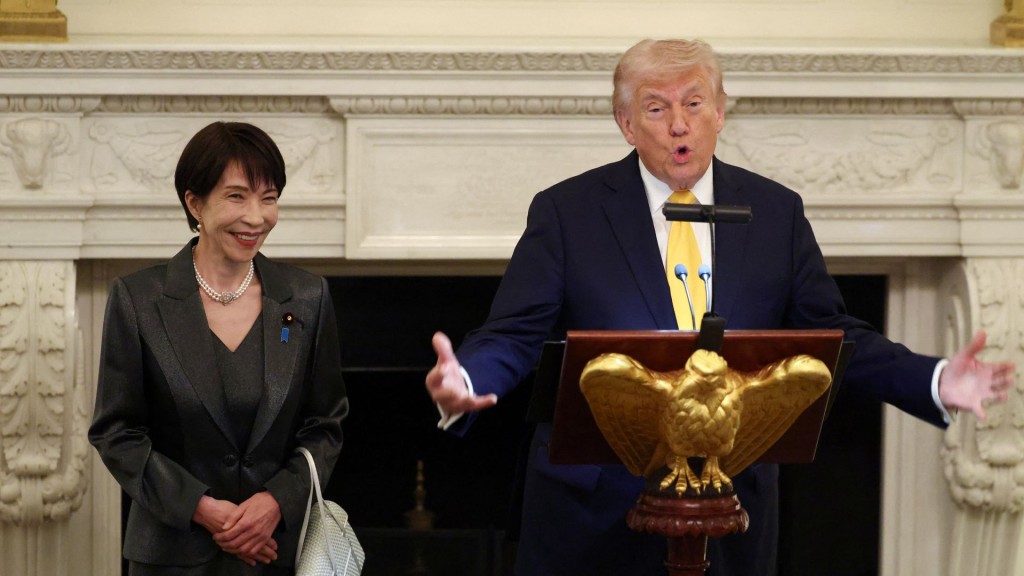
The greatest immediate threat to stability, however, lies in Takaichi’s radical geopolitical pivot. Last November’s suggestion of potential Japanese force in a Taiwan contingency marked a dramatic break from strategic ambiguity and plunged Sino-Japanese relations to a dangerous low. The economic repercussions are already visible, with China’s unofficial tourism boycott affecting Japanese retail and tourism. The recent approval of a record 9 trillion yen (HK$446 billion) defense budget, explicitly naming China as the “greatest strategic challenge,” ensures this frost will endure. While the United States may welcome a more militarily proactive partner in the region, this alliance fuels a volatile security dilemma.
The gathering storm: history, uncertainty, and economic reality
This trajectory is fraught with historical resonance and future risk. Memories of Japanese militarism across Asia make its rapid military expansion a deeply sensitive issue. Pairing this with a potential return of Trump-era aggression from the US creates a cocktail of regional uncertainty that could easily destabilize the economic foundations Takaichi seeks to build. Foreign investment and long-term economic confidence are wary of such volatility.
Prime Minister Takaichi’s initial surge is powered by a populist economic promise and nationalist fervor. Yet, her honeymoon period faces a converging storm. The unsustainable math of simultaneous tax cuts and defense splurges, the tangible economic blowback from soured relations with China, and the inherent risks of a region re-militarizing threaten to cut the political fairy tale short. Japan stands at a precarious crossroads: the government’s ability to navigate between domestic economic promises and the volatile geopolitics it has ignited will define not just Takaichi’s tenure, but Japan’s peace and prosperity for years to come. The record-high market may be celebrating today, but the true test is just beginning.