Read More
In an era of geopolitical uncertainty, enhancing civil diplomacy is not just beneficial – it is essential. As a global hub, Hong Kong is uniquely positioned to strengthen China’s international relationships through non-governmental engagement. Civil diplomacy – driven by individuals, cultural groups, and academic exchanges – builds mutual understanding and fosters soft power, which Harvard then professor Joseph Nye defines as the ability to attract and co-opt rather than coerce. For Hong Kong, this means leveraging its open, multicultural identity to serve as China’s premier platform for people-to-people connectivity.
ADVERTISEMENT
SCROLL TO CONTINUE WITH CONTENT
A legacy of cultural exchange
China’s history is a testament to the power of cultural influence. From the Song Dynasty – once seen as chaotic but rich in high culture – to centuries of regional and global exchanges, China has long exercised soft power through intellectual and artistic appeal. While Western scholars have historically interpreted Chinese art and history through their own lens, China’s renewed stability and prosperity are fueling a resurgence of cultural confidence and connoisseurship. Hong Kong, with its deep roots in both Eastern and Western traditions, is the ideal stage to reignite this legacy of exchange.
Hong Kong as a soft power conduit
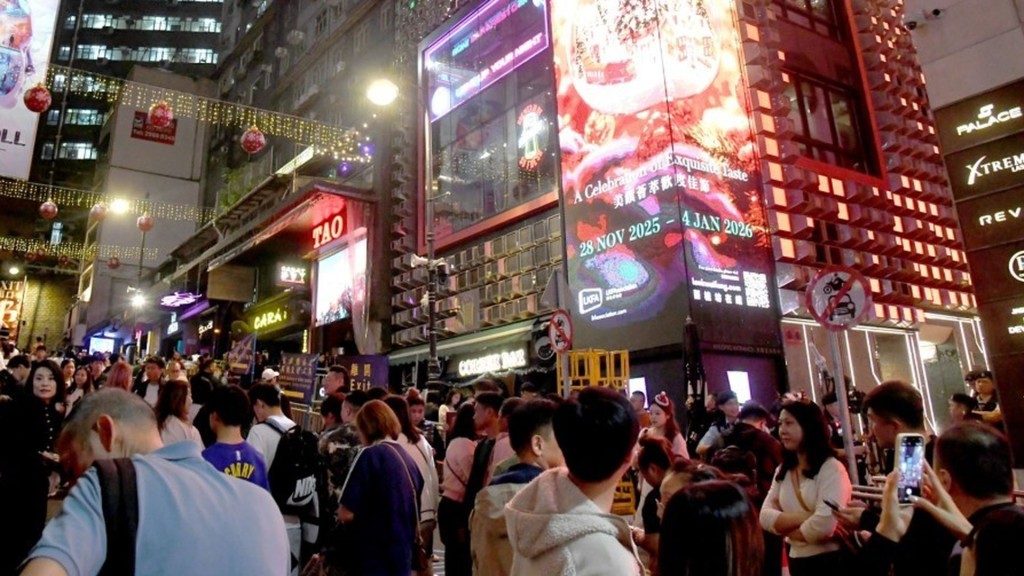
No other Chinese city matches Hong Kong’s blend of openness, institutional strength, and cultural dynamism. As highlighted by Chinese People’s Political Consultative Conference vice-chairman Leung Chun-ying, the city can play a critical role in expanding diplomatic ties through civil engagement. Home to world-class institutions like the Hong Kong Philharmonic Orchestra, Hong Kong Chinese Orchestra, Hong Kong Museum of Art, Hong Kong Palace Museum, and M+, the city regularly hosts international collaborations, exhibitions, and festivals – sometimes supported by consulates and cultural agencies. These platforms do not just showcase creativity; they build lasting international rapport.
Education and youth: the future of diplomacy
With five universities ranked among the world’s top 100, Hong Kong attracts young talent globally. Beyond academics, the city offers visible pathways to success through its thriving community of athletes, artists, scientists, and entrepreneurs. Student exchange programs, supported by consulates and local organizations, nurture the next generation of global citizens who can carry forward the mission of civil diplomacy.
A stable, open gateway
Amid trade tensions and shifting global alliances, China’s economic outreach has shown resilience, with record trade surpluses underscoring its pivot to diverse markets. In parallel, Hong Kong’s stability and liberal environment enable it to advance diplomatic relationships through means beyond commerce. By fostering dialogue, cultural appreciation, and academic cooperation, Hong Kong can help shape a narrative of shared values and mutual respect – cornerstones of sustainable international relations.
Hong Kong is much more than a financial center; it is China’s most potent asset for civil diplomacy. By embracing its role as a cultural and educational bridge, Hong Kong can extend China’s soft power, deepen global friendships, and contribute meaningfully to a more interconnected world.