Read More
As the US dollar faces headwinds, China is strategically leveraging its global financial hub to accelerate the internationalization of the yuan. Hong Kong’s unique role is more critical than ever.
ADVERTISEMENT
SCROLL TO CONTINUE WITH CONTENT
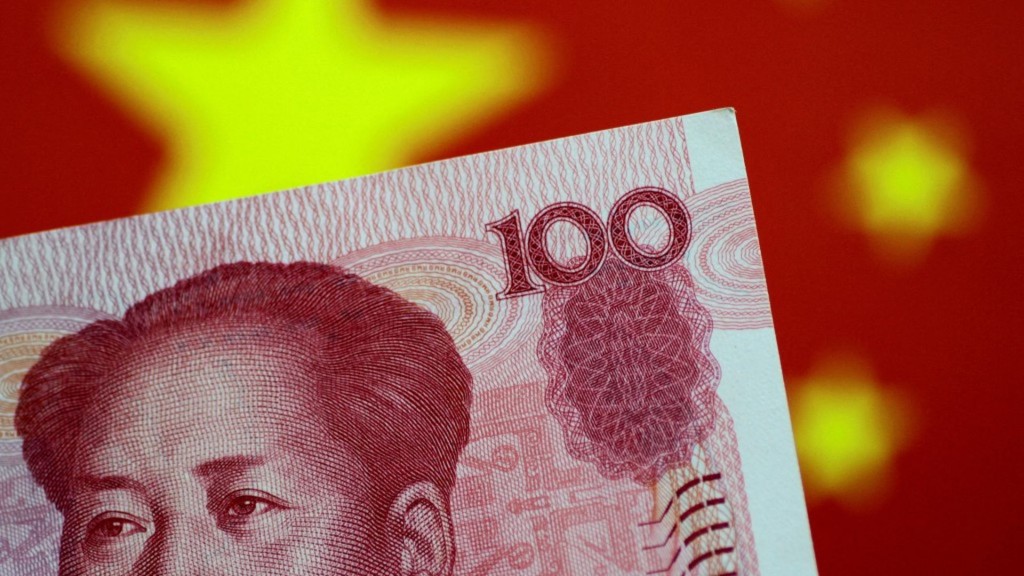
When Chinese President Xi Jinping speaks of establishing the yuan as a major world reserve currency, it is a deliberate signal of long-term national strategy. This ambition is now gaining unprecedented momentum, fueled by a shifting global landscape. The US-China trade tensions, which forced China to deepen trade ties with the Global South, have inadvertently encouraged the use of the yuan in bilateral settlements. This, combined with a record trade surplus of nearly US$1.2 trillion (HK$9.37 trillion) in 2025 and a weakening US dollar driving capital flows, has created a perfect storm of opportunity for China’s currency.
The yuan’s inclusion in the International Monetary Fund’s Special Drawing Rights basket back in 2016 was a pivotal endorsement of its global importance and the weighting has been rising. The SDR is an international reserve asset created by the IMF to supplement the official reserves of its member countries. Now, the focus is on practical integration into the global financial system. As the US dollar exhibits volatility, international investors are actively seeking diversification. The Hong Kong Exchanges and Clearing has noted a surging demand for yuan-denominated bonds, both for genuine trade use and as an alternative to US assets. This trend is a direct catalyst for the yuan’s rise, which recently hit a 33-month high.
Hong Kong: the indispensable offshore laboratory
A key question often arises: how can the yuan become a true reserve currency without full capital account convertibility? This is precisely where Hong Kong’s strategic value lies. As the world’s largest offshore yuan hub, it serves as a controlled testing ground for internationalization. By expanding its offshore yuan pool and increasing the issuance of yuan-denominated financial products – from “dim sum” bonds to complex derivatives – Hong Kong allows global players to interact with the currency without requiring the mainland to fully liberalize its capital controls overnight.
This cautious approach is rooted in history. The memory of the Asian Financial Crisis, where speculative attacks devastated regional currencies, looms large. China’s authorities fear that a hastily opened capital account could leave the yuan vulnerable. However, with China’s economy now the second-largest globally, its scale provides a formidable defense against speculation. This growing strength offers room for a more gradual, managed opening, with Hong Kong acting as the crucial buffer and gateway.
The enduring role of the Hong Kong dollar
As the yuan’s prominence grows, some may question the future of the Hong Kong dollar. Yet, its existence remains vital. The Hong Kong dollar provides China with a unique monetary tool, allowing the nation to engage in international financial endeavors through a fully convertible, freely traded currency that is globally trusted. While its peg to the US dollar has been a topic of debate, a future shift to a basket of currencies – potentially including a heavier weighting of the yuan – could offer greater stability. For now, the two-currency system provides unparalleled flexibility: the Hong Kong dollar for agile global integration and the yuan for a carefully managed rise.
The path to a yuan-based reserve system is not a sprint but a meticulously planned marathon. Hong Kong, with its deep pools of liquidity, robust legal framework, and financial innovation, is the indispensable engine driving this ambition forward. As global dynamics continue to shift, this city’s role in redrawing the map of international finance will only become more profound.