Read More
The recent sharp correction in gold, silver, and stocks felt almost inevitable. While headlines pinned the sell-off on speculation that former Federal Reserve governor Kevin Warsh – a noted inflation hawk – might be appointed as the next Fed chair, this narrative is more excuse than root cause. The downturn was a natural, if violent, reckoning for a market driven to unsustainable heights by leverage and speculative fervor.
ADVERTISEMENT
SCROLL TO CONTINUE WITH CONTENT
A parabolic rise and inevitable fall
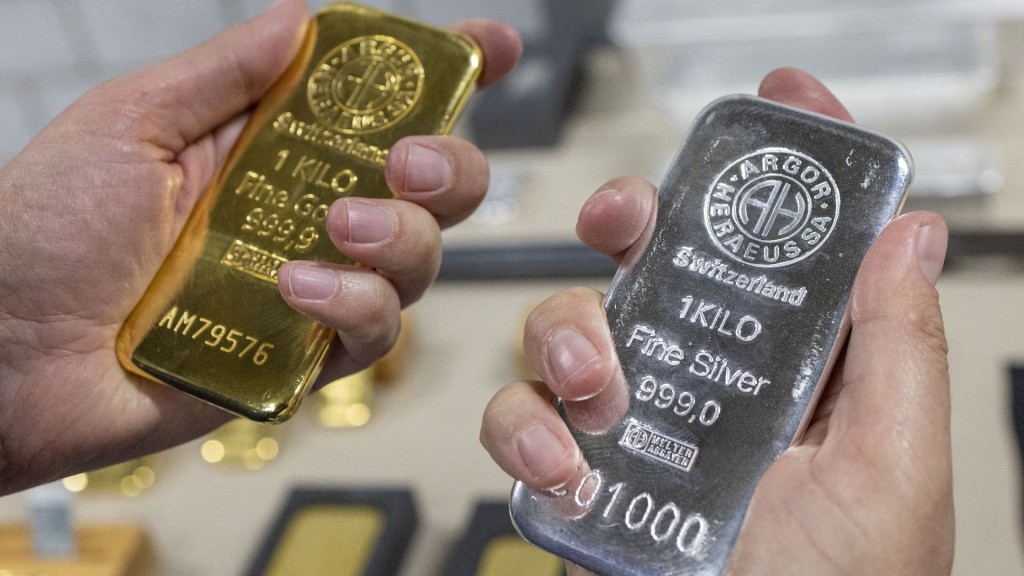
The scale of the preceding rally set the stage for a steep collapse. Gold had surged nearly as much as 30 percent year to date before a 20 percent plunge in just three days erased nearly half those gains.
Silver’s trajectory was even more extreme, rocketing 70 percent only to surrender 40 percent in three brutal trading days.
This “rise fast, fall fast” dynamic is classic of markets fueled by excessive leverage and momentum chasing, not gradual shifts in long-term value.
The fragile foundation of the rally
For months, a compelling story supported gold’s ascent: de-dollarization trends, questions about Fed independence, and heightened geopolitical uncertainty cast it as the ultimate safe haven. This attracted not just central banks and institutional investors, but also a wave of retail participants driven by fear of missing out, or FOMO.
However, this bullish sentiment obscured critical vulnerabilities. The amount of leveraged capital betting on gold through derivatives and futures far exceeds the world’s actual physical supply. Unlike industrial metals, gold’s value is purely monetary and psychological, making it uniquely sensitive to shifts in sentiment and financing costs. The trigger for the deleveraging was practical: when institutions like the CME Group raised margin requirements, overextended speculators were forced to sell, accelerating the decline.
Warsh: a convenient scapegoat
The focus on Kevin Warsh provided a tidy rationale for this complex unwind. True, his established reputation as an inflation hawk, wary of easy money even post-2008, initially rattled markets anticipating perpetual Fed support. This means under his leadership, the Fed is less likely to cut rates. However, his more recent comments have echoed Trump’s criticisms of the Fed and calls for lower rates, blurring his hawkish credentials.
Furthermore, his personal link to Trump – through his father-in-law, longtime confidant Ronald Lauder – raises as many questions about Fed independence as it answers. Would Warsh resist presidential pressure, or enable it? This uncertainty makes him a potent symbol for market anxiety, but the sell-off was already primed to happen.
Heightened volatility is the new normal
The conclusion is clear: the market’s structural fragility, not a single personnel rumor, catalyzed this crash. The episode serves as a stark warning. With leverage still elevated and macroeconomic crosscurrents strong – between inflation fears, currency dynamics, and geopolitical strife – volatility is expected to continue.
Investors must look beyond headline excuses and watch the underlying fundamentals: leverage ratios, physical demand, and real interest rates. The metal’s glitter often distracts from its inherent instability; caution, not FOMO, should guide strategy in the months ahead.