





Read More


Iran demands transit fees in yuan, stablecoins for Strait of Hormuz passage
03-04-2026 02:45 HKT
Woman accused of $1,100 and 100 yuan bribe attempt for Hong Kong residency
03-04-2026 15:05 HKT


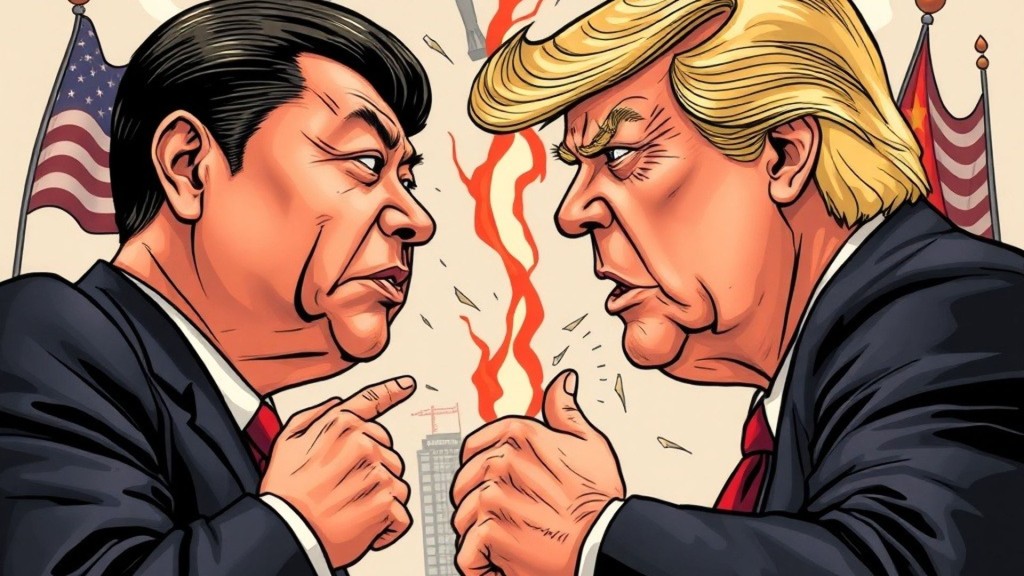
The US stock market experienced a familiar jolt following former President Donald Trump’s threat to impose 100 percent tariffs on Chinese goods, and Hong Kong stock futures followed suit. This aggressive posturing triggered immediate panic, with investors fearing a severe disruption to the exports of the world’s second-largest economy and a consequent spike in inflation in the United States. This latest escalation comes amid an ongoing trade war, marked by tit-for-tat restrictions, including China’s strategic controls on rare earth elements. While a market correction is inevitable in such a climate, a deeper analysis suggests that over-worrying may be an overreaction.
China is widely regarded as the sole economic power with the scale and capacity to stand against US trade pressures. This dynamic places the Sino-US trade relationship at the heart of global economic stability. The question, “If not China, who?” underscores the high stakes involved. However, this very position has prompted years of strategic preparation by China. By actively diversifying its export markets and strengthening regional partnerships, China has built buffers against such external shocks. Therefore, should a slump in Hong Kong and Chinese markets occur today, it would reflect a worst-case scenario rather than a foregone conclusion.
Paradoxically, in a period of global trade chaos, Hong Kong’s unique advantages come to the fore. As a free port with zero tariffs and a deeply open market, Hong Kong is positioned to capitalize on the very disruptions that cause broader panic. We need only look back six months ago: when Trump announced the global tariff hike, markets plummeted. Yet, in the aftermath, Hong Kong’s stock market jumped significantly, and it is very likely to regain its crown as the world’s leading venue for initial public offerings, raising a record amount of capital.
This is not a coincidence. Companies from Asean nations and beyond are increasingly attracted to Hong Kong for listing and business as a stable, neutral, and well-regulated financial hub. While Hong Kong’s small domestic market is a limitation, its unparalleled access to the vast Chinese market, backed by China’s economic might, allows it to open doors. The global financial network, recognizing this, has likely strengthened its ties to Hong Kong, solidifying its role as a critical conduit.
For market watchers, the current advice is not panic selling, but strategic patience. Several compelling reasons support a wait-and-see attitude. First, the threat of a 100 percent tariff is just that – a threat. The actual implementation is a complex political decision. Such a drastic measure would undoubtedly fuel inflation in the US, directly undermining the Federal Reserve’s ability to proceed with interest rate cuts and hurting American consumers.
Furthermore, the US government is concurrently grappling with significant domestic problems. These internal divisions and priorities will compete for attention and political capital, making an all-out trade war a less straightforward proposition. Short-term market corrections are expected and healthy, but the fundamental realities of global economic interdependence and the strategic positions of both China and Hong Kong suggest that pessimism is premature. The smart money is on watching, waiting, and recognizing the opportunities that often arise from the chaos.