Read More
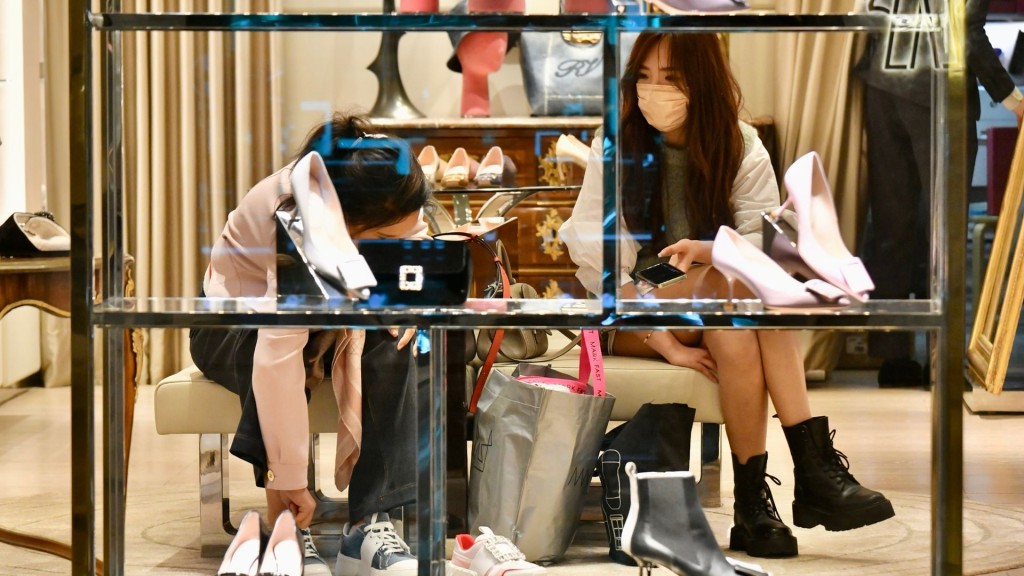
As Hong Kong’s government finalizes its upcoming policy address, pressure is mounting to reintroduce electronic consumption vouchers to rescue struggling retail and catering sectors. With July’s retail sales growth underwhelming at just 1.8 percent, and neighboring regions like Macau and Guangdong implementing their own stimulus measures, the debate over Hong Kong’s response is intensifying.
ADVERTISEMENT
SCROLL TO CONTINUE WITH CONTENT
However, the current economic climate, marked by a significant fiscal deficit, a rise in scams, and a fragmented retail landscape, demands a smarter, more targeted approach than the blanket distributions of the past.
Lessons from the past
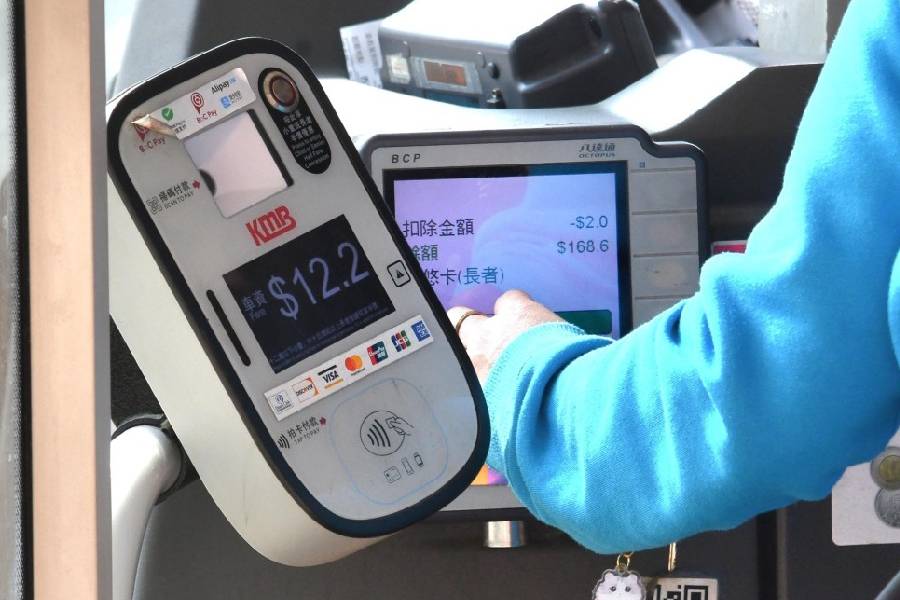
Between 2021 and 2023, Hong Kong’s electronic consumption voucher scheme provided critical support during the pandemic. With vouchers ranging from HK$5,000 to HK$10,000, the program was hailed for boosting spending, supporting local businesses, and accelerating the adoption of digital payments. Research confirmed its positive impact on retail sales growth and economic morale.
However, the program came with a high price tag: over HK$1 billion in administrative costs. As the government now faces a larger fiscal deficit, replicating the previous model is neither feasible nor financially prudent.
New proposals for a new reality
Two major political parties have put forward proposals designed to maximize impact while minimizing costs:
The Liberal Party suggested distributing HK$2,000 vouchers exclusively for use at local physical retail and dining establishments. Crucially, they recommend adopting the Macau consumption voucher model, where consumers must spend a certain amount (eg, HK$100) to unlock a portion of the voucher (eg, HK$20). This “spend-to-unlock” mechanism amplifies the stimulus effect, potentially turning HK$2,000 of government funds into HK$10,000 of consumer spending. It also ensures the money circulates within the local economy.
The Democratic Alliance for the Betterment and Progress of Hong Kong proposed that this plan focuses on hyper-targeting. By restricting voucher use to weekends (Friday-Sunday) and incorporating a lottery element, the government could significantly reduce the fiscal burden while concentrating spending during peak leisure periods, providing a focused boost to the hardest-hit sectors.
Scams and a fragmented market
The current environment is more complex than in previous years. A reported increase in financial scams necessitates robust digital security and verification protocols to protect public funds.
Furthermore, Hong Kong’s retail landscape has become more fragmented, with a growth in small, individual retailers, as well as online e-commerce. A one-size-fits-all voucher scheme could lead to disputes and uneven benefits, favoring large chains over small vendors.
Any new scheme must be designed for inclusivity and ease of use for all types of businesses.
The message for Hongkongers is clear: some form of stimulus is likely under discussion, but it will not be a simple repeat of previous handouts.
The government must balance immediate economic relief with long-term fiscal responsibility.
The Macau consumption voucher model offers a blueprint for stretching public funds. Meanwhile, targeted approaches like the DAB’s weekend-only proposal could achieve more with less.
The ideal electronic consumption scheme would be a hybrid model: leveraging spending thresholds to amplify value, restricting use to local physical businesses to keep money in Hong Kong, and implementing strong anti-fraud measures.
This would provide a necessary shot in the arm for retail and catering while safeguarding the city’s financial health. The government’s decision will be a key indicator of its commitment to pragmatic and innovative economic policy.