Read More
As Hong Kong observes the 80th anniversary of the end of the Second World War and the defeat of Japanese forces, the Victory Day parade in Beijing today and the recent commemorative events have sparked a crucial public conversation.
ADVERTISEMENT
SCROLL TO CONTINUE WITH CONTENT
These events are more than ceremonial; they are a vital portal to a chapter of Hong Kong history that risks being forgotten.
A call to remember
For many in our modern, bustling metropolis, the war feels remote.
The generation that lived through the brutal Japanese occupation of Hong Kong is sadly dwindling.
Yet, in a world where conflict persists, this history offers indispensable lessons on the fragility of peace and the resilience of the human spirit.
The Victory Day parade and associated exhibitions serve a profound purpose: to strengthen the national consciousness and collective memory of Hongkongers.
Our city’s story of suffering, resistance, and liberation is an inseparable part of China’s broader narrative.
Museums as guardians
Unlike other Asian jurisdictions like Singapore – a regional rival which meticulously curates wartime museums and historical plaques – Hong Kong has often allowed its physical history to be erased by the relentless pace of urban redevelopment.
Countless sites with stories to tell have been demolished, often without a trace or a simple commemorative plaque left behind.
This makes institutions like the Hong Kong Museum of the War of Resistance and Coastal Defence in Shau Kei Wan incredibly valuable.
As one of the few dedicated spaces showcasing this era, it stands as a guardian of memory. However, one museum cannot shoulder this responsibility alone.
The positive public response to recent temporary exhibitions on this subject demonstrates a public hunger for this knowledge. It is imperative that the Hong Kong government and cultural bodies consider establishing permanent exhibitions to ensure this education continues for generations.
Furthermore, Hong Kong’s historical significance stretches back centuries before the British arrival in 1841, as evidenced by archaeological finds like Song Dynasty wells and Ming tombs.
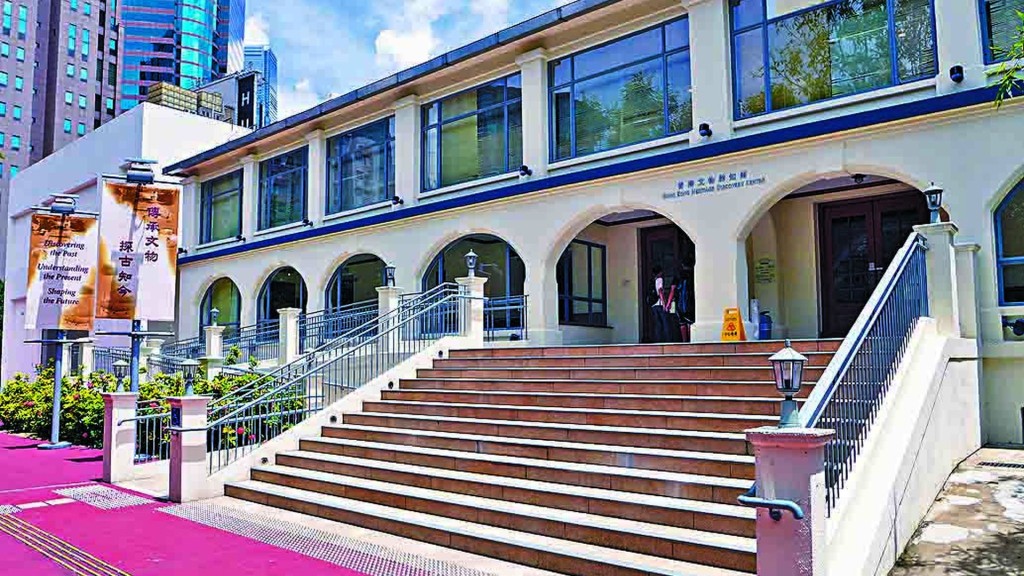
While the Hong Kong Heritage Discovery Centre in Tsim Sha Tsui displays some of these artefacts, a larger, more prominent showcase is warranted to match the scale of this heritage.
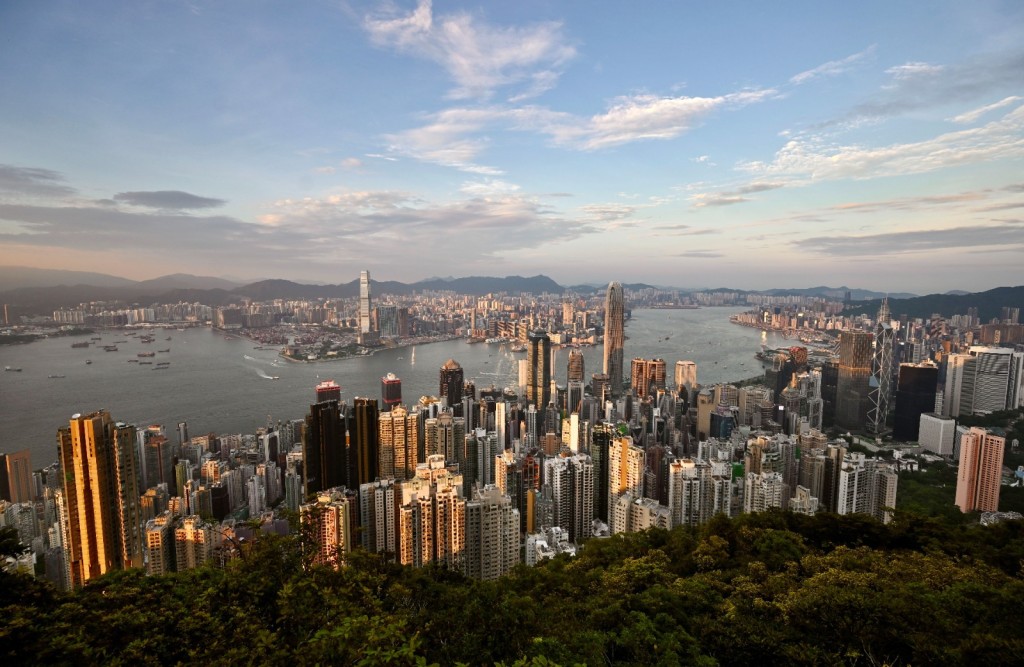
A city’s true wealth is not measured in skyscrapers alone but in the depth of its history. This history, once lost, is irreplaceable. As we reflect on the 80th anniversary of the end of WWII, let us commit to preserving and promoting Hong Kong’s unique historical narrative.
Investing in permanent museums, integrating history into education, and protecting archaeological sites are not just cultural projects – they are investments in our identity, our pride, and our future.
By remembering the past, we honor those who came before us and build a more rooted and resilient society.