Read More
In an era of intensifying geopolitical fragmentation and escalating global tensions, the international system is at a crossroads. Long-standing alliances are under strain, and the institutions that once upheld the post-war order are struggling to adapt. Against this backdrop, China is repositioning itself as more than a participant in world affairs: it is emerging as a diplomatic platform for dialogue and conflict resolution.
ADVERTISEMENT
SCROLL TO CONTINUE WITH CONTENT
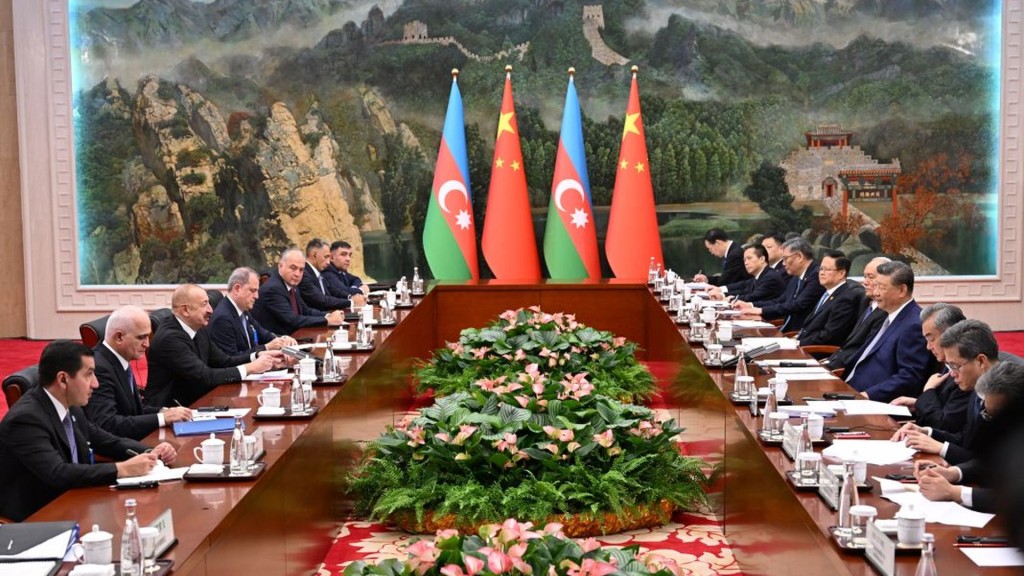
The current Shanghai Cooperation Organisation meeting in Tianjin, followed by Victory Day Parade commemorations in Beijing on Wednesday, symbolizes this strategic pivot. By convening leaders from across Asia, Eurasia and the Middle East, China is signaling a shift toward a multipolar world order, where dialogue is no longer the sole preserve of Western capitals.
Convening power in a multipolar world
The significance lies not only in the gathering itself but in who attended. Indian Prime Minister Narendra Modi’s presence, despite India’s territorial disputes with China, reflects a pragmatic recalibration of relations. Pressured by shifting trade dynamics and the aftershocks of US trade policies, countries are increasingly seeking alternative forums for engagement.
Equally notable was the participation of leaders such as Russia’s Vladimir Putin and Iran’s Masoud Pezeshkhian – figures often marginalized in Western-led diplomacy. Their presence highlights China’s inclusive approach to global dialogue, challenging the notion that Washington or Brussels alone can define legitimate partners.
For Beijing, engagement is not endorsement; it is a prerequisite to solving conflicts.
Opportunity in Fracture
China’s diplomatic pivot is built on the principle that in times of chaos, there is opportunity. As unilateral sanctions and power rivalries fracture the system, Beijing offers a platform that many see as free from Western conditionality. The focus is on shared economic interests, non-interference and balanced governance, rather than blocs aligned against a common foe.
Toward a new diplomatic order
The ability to convene is the first step toward the ability to mediate.
If current trends continue, future agreements on trade, climate or security could be brokered under Chinese auspices and carry the names of Chinese cities as shorthand for global compromise.
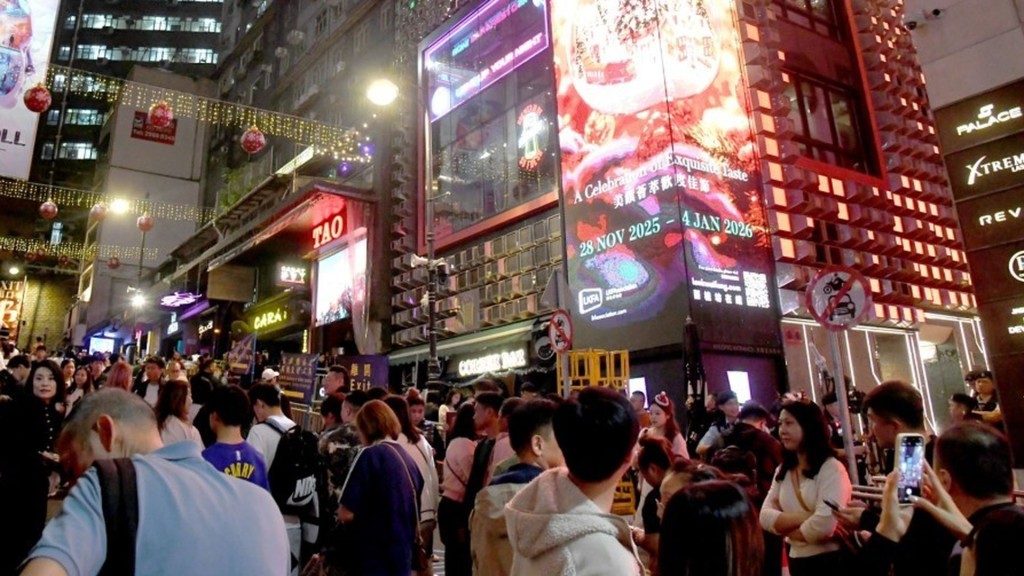
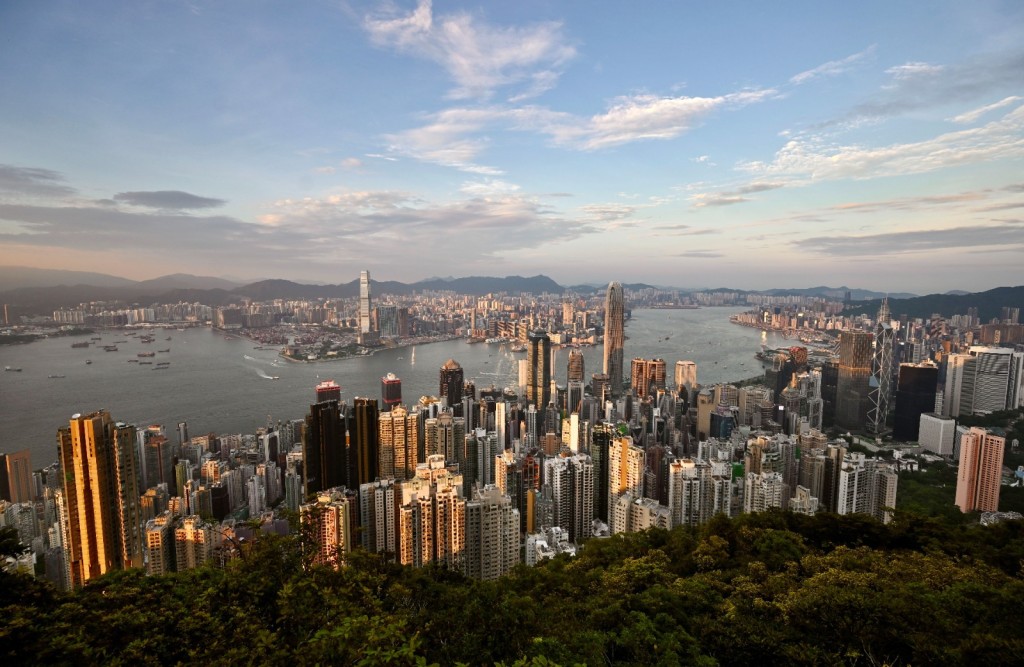
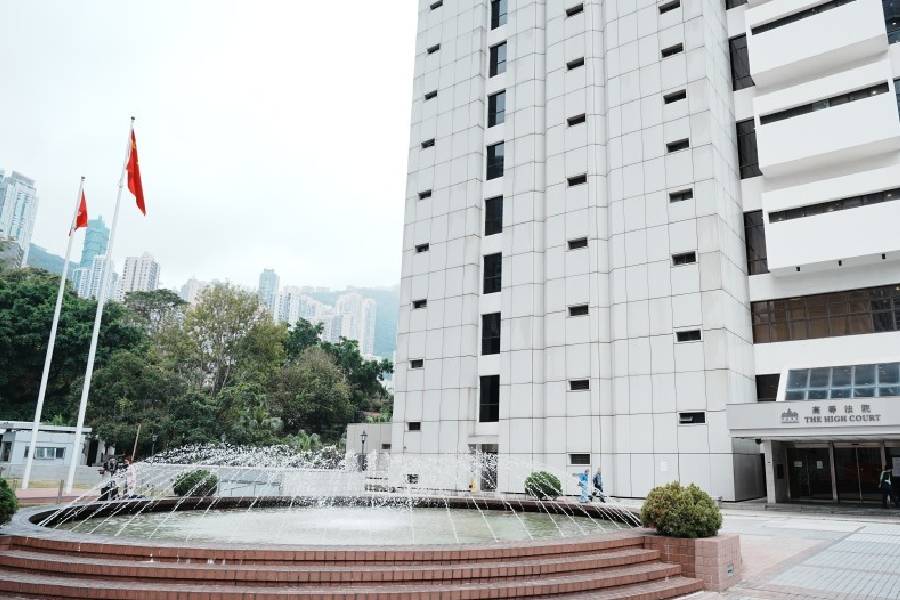
Hong Kong, with its unique role as a financial and legal hub, is well-positioned to evolve into a neutral ground for international negotiations, echoing the roles long played by Geneva or Vienna.
It cannot be ruled out that future agreements may be named after Chinese cities, similar to the WTO Doha Round of trade negotiations and the Paris Agreement on climate change.
China’s diplomatic offensive sends a clear message: the demand for inclusive, representative and pragmatic global dialogue has never been greater.
While the United States remains a pivotal power, its ability to unilaterally set the agenda is eroding. Into this vacuum steps Beijing—not with ideological triumphalism, but with a practical offer to host the world’s hardest conversations.
For peace and stability in the 21st century, such platforms are not just useful—they are essential. China’s diplomatic pivot may well mark the beginning of a new era of multipolar diplomacy.