Read More





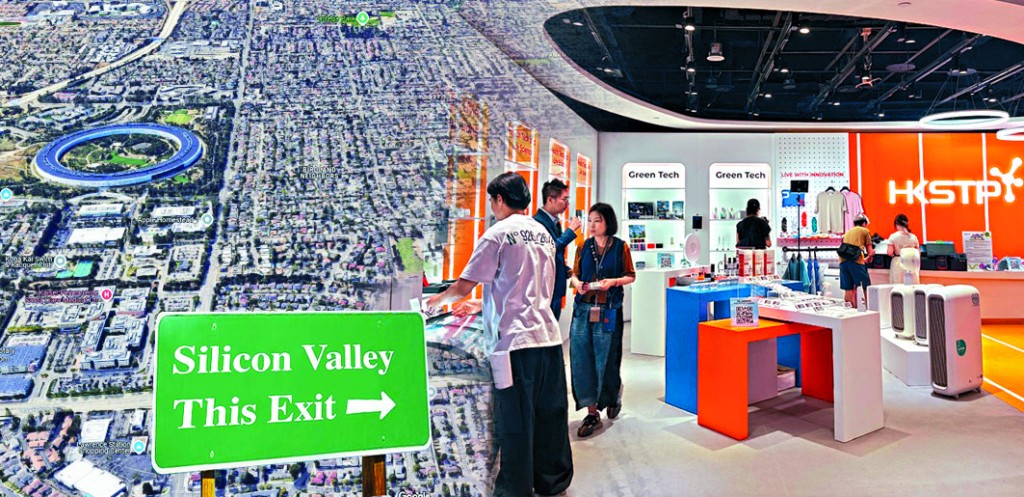
Hong Kong is keen to become a hub for innovation. With the United States reviewing H-1B visa policies for specialty occupations and tightening eligibility rules, it could redirect some of their tech talent to other countries.
The question is whether Hong Kong can position itself as a preferred destination for these tech stars.
Silicon Valley, the global tech hub in California, thrives on foreign talent. Companies like Google and Infosys secure thousands of H-1B visas annually – 5,364 and 8,140 respectively in 2024 – while these visas are capped at 85,000 each year. The applicants are mostly engaged in artificial intelligence and software engineering, with Indians comprising roughly three quarters of them. Looming policy changes may include stricter eligibility rules that would leave out some mid-tier talent.
Hong Kong, with its friendly visa schemes like the Technology Talent Admission Scheme which fast-tracks visas for research and development professionals, could present itself as an alternative for these brains. Also, the city’s Top Talent Pass Scheme allows high earners to stay for 36 months without a job offer.
Both schemes could be useful in facilitating relocation.
As some Silicon Valley firms consider branching out to India from where most of the H-1B visa applications are made, Hong Kong may rival with a narrative that India’s tech job market is crowded and Hong Kong’s low taxes, proximity to mainland China and an active startup scene offers an advantage.
In 2024, Hong Kong recorded a high of 4,694 startups along with a surge in venture capital.
If French President Emmanuel Macron’s “Choose France” campaign, launched to attract US scientists following federal funding cuts, underscores the global race for tech talent, InvestHK’s outreach to India and Malaysia demonstrated the SAR’s ambition in this respect.
It is fair to say Hong Kong’s innovation infrastructure is tailor-made for minds like the H-1B talent.
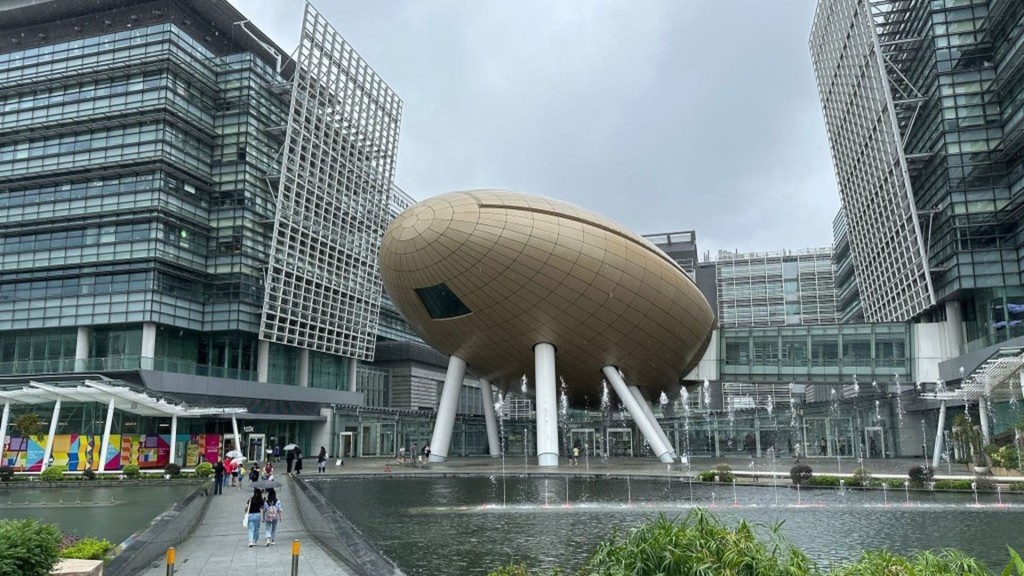
The Hong Kong Science and Technology Parks and Cyberport incubated dozens of new tech firms a year. The Parks’ Elevator Pitch Competition suits H-1B holders with entrepreneurial spirit.
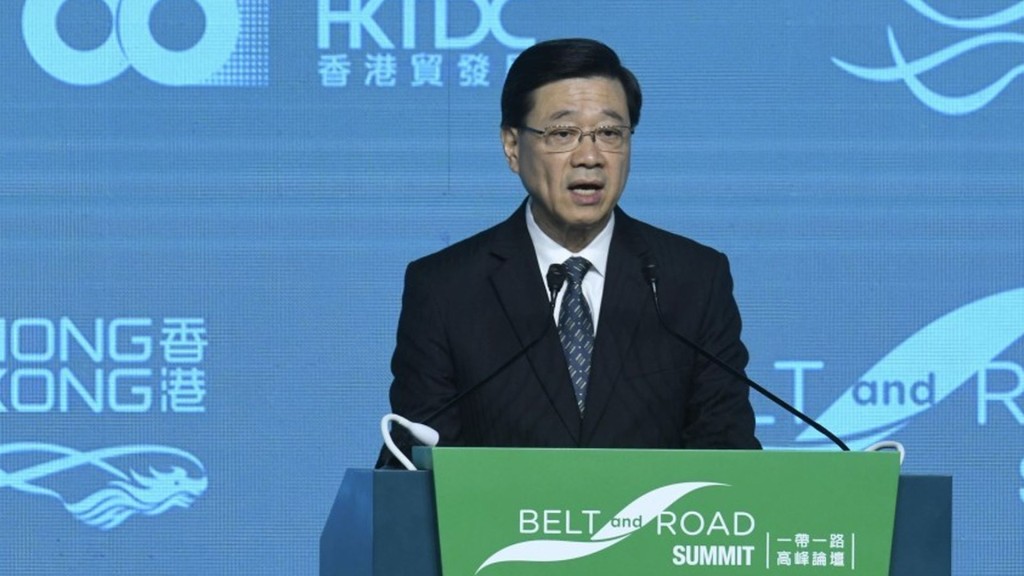
In addition, there are collaborations with mainland cities like Hangzhou, as highlighted by Chief Executive John Lee Ka-chiu’s current visit during which local innovation and technology facilities are explored and business representatives in the region engaged.
The city’s cultural ties to Silicon Valley may be an edge.
Many Hongkongers and their descendants, including AI pioneer Andrew Ng, thrive in the US tech scene.
That being said, it is most unlikely that the Trump administration would be unaware of the danger of losing talent to competitors like Hong Kong, Canada and India if the review results in overly restrictive policies, even though it has said current H-1B visa holders would be unaffected.
In Trump’s inner circle is Elon Musk, who has been vocal about the H-1B visa program’s importance for America’s tech industry and his companies.
As tighter rules loom, the most probable outcomes, as some analysts believe, would be stricter pay and eligibility rules with a merit-based lottery to curb abuse. This would balance immigration hardliners’ demand with the need to preserve flexibility to avoid devastating talent loss.
Even then, a half-opened door would still divert some talent to other countries. The opportunity is opening up for the SAR to grab some, only if officials do not fall short in execution.