Read More


Nvidia CEO Jensen Huang spotted eating zhajiangmian on Beijing street
15-05-2026 20:04 HKT

Viral bus ‘porn viewer’ scandal escalates as more victims speak out
14-05-2026 18:03 HKT




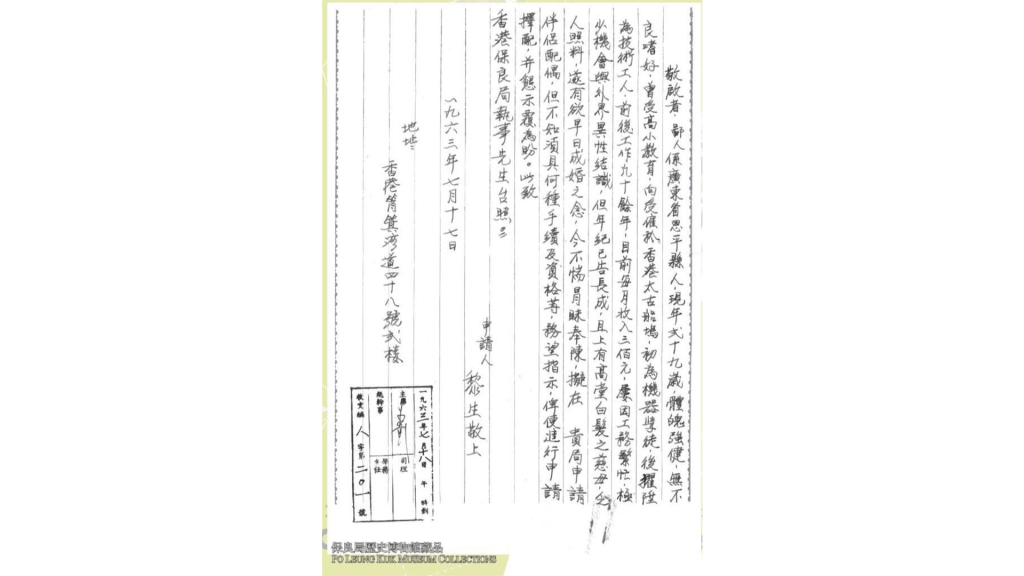
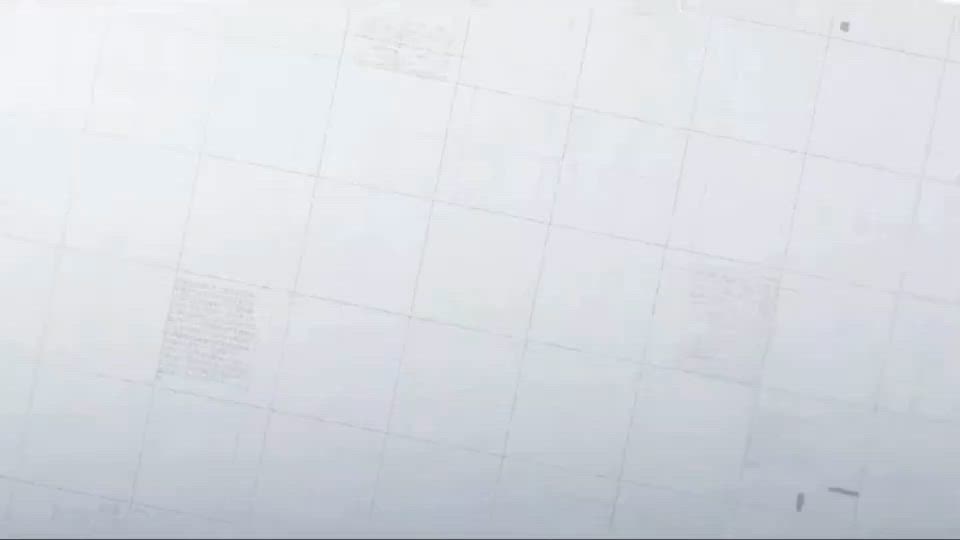
An old handwritten letter sent to Po Leung Kuk in the 1960s has resurfaced online, sparking widespread discussion across Hong Kong social media.
The letter, written by a 29-year-old technician with only primary education, was a formal request to “apply for a wife” from women under the care of the institution. Despite the writer’s modest academic background, the document drew attention for its exceptionally refined Chinese phrasing and neat calligraphy, which many netizens described as surprisingly sophisticated.
The viral post has sparked debate over whether such writing quality was realistic for a working-class man in that era. Some speculated it may have been written by a professional “letter writer,” a common service in older Hong Kong street culture.
Supporters argue that mid-20th-century primary education often included formal letter-writing training and exposure to classical expressions, making such style more common than today.
The post also revived interest in Po Leung Kuk’s historical role in arranging marriages for women under its care. In earlier decades, the institution assisted in matching eligible women with suitable husbands, particularly in cases involving vulnerable or rescued women.
Applicants were required to meet conditions such as being unmarried or widowed, and the process often involved formal vetting and introductions. Some cases were even reported in newspapers, with weddings held under official supervision.
In the letter, the writer also mentioned seeking marriage partly to care for his elderly mother—an expression of family responsibility that reflects traditional social values of the time.
Historians note that such practices gradually faded by the early 1970s as Hong Kong society modernized and women gained more economic independence, shifting marriage from institutional arrangements toward personal choice.
Now widely shared as a cultural time capsule, the letter has prompted reflection on how education, language, and marriage norms have changed over time.
While the identity and later life of the writer remain unknown, netizens have humorously speculated about whether the 92-year-old man ever succeeded in his unusual application for a wife.