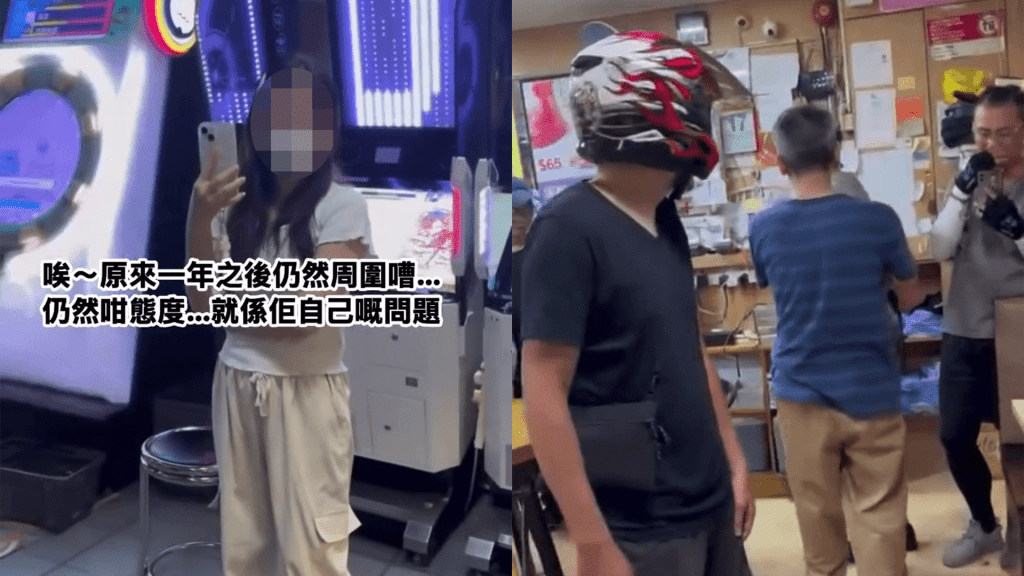
Matthew(matthewpwj_)
A new internet craze, dubbed "Jayden-mania," has taken over Hong Kong's social media landscape. Centered around the phrase "Jayden ah, mami already told you...", the trend uses a unique and clunky form of Cantonese-English code-switching to parody a specific style of parenting, sparking widespread creative memes and a debate about local language culture.
The meme's origin
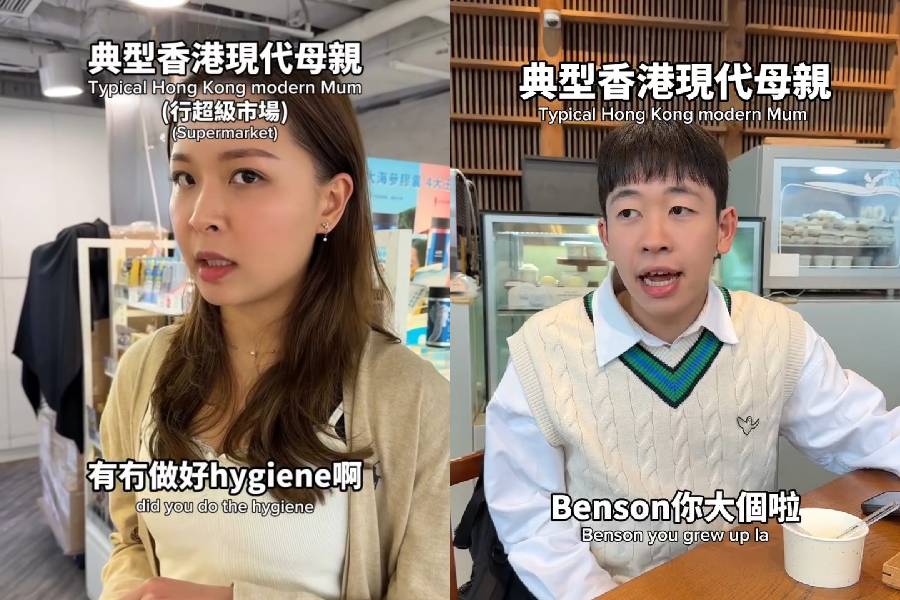
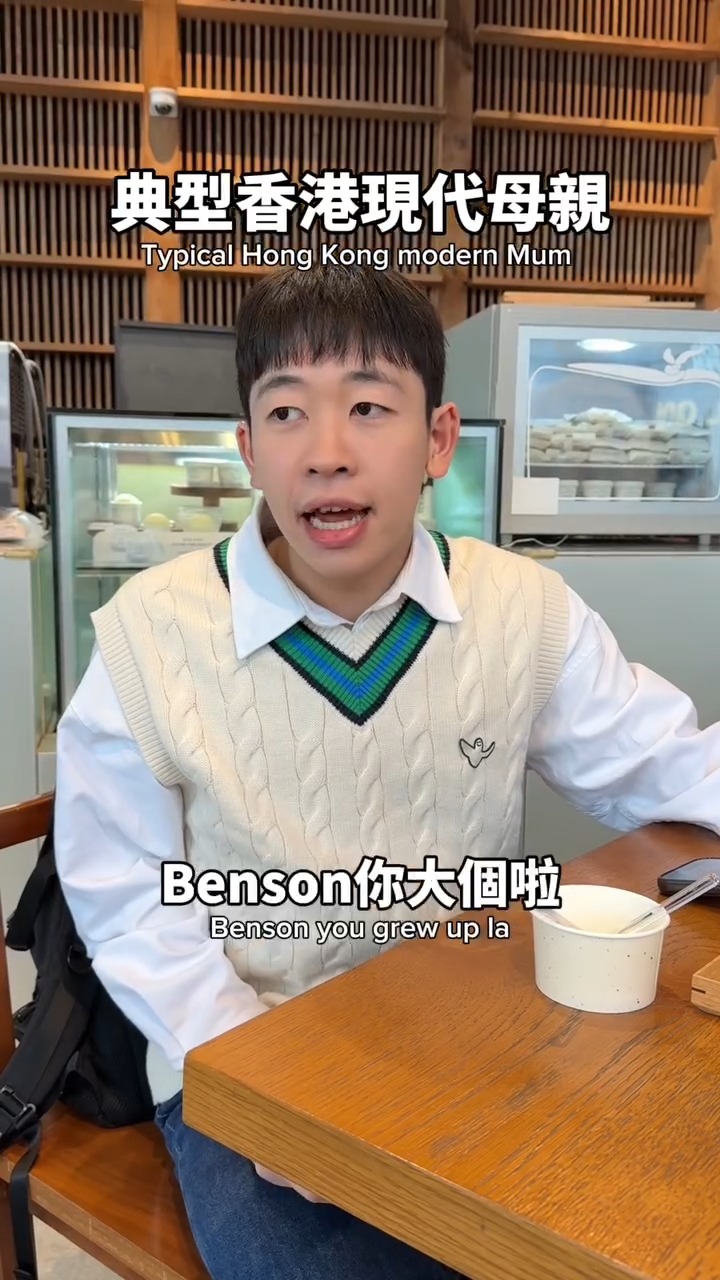
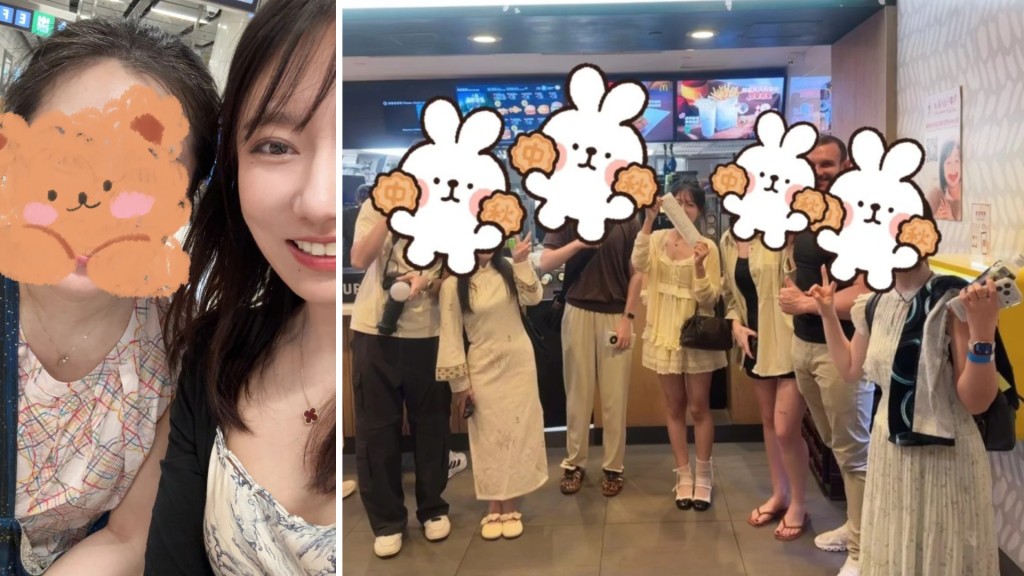
The phenomenon can be traced back to a video released in February by two Hong Kong influencers, Matthew (matthewpwj_) and Janice (janicewanwan).
In the clip, they used an exaggerated tone to mimic and satirize a style of speaking associated with some Hong Kong mothers who awkwardly force English words into Cantonese sentences.
The video, which humorously highlighted unnatural phrases, quickly went viral as it resonated with a large online audience, laying the groundwork for the subsequent "Jayden-mania."
In the weeks that followed, "Jayden" became the symbolic name at the heart of this internet meme.
Netizens have pointed out that the parody specifically targets a less-fluent style of code-switching, where simple English words are unnaturally inserted into sentences, making them disjointed.
This is distinct from the more natural and fluid blending of English and Cantonese commonly heard in the city.
Brands cash in on the craze
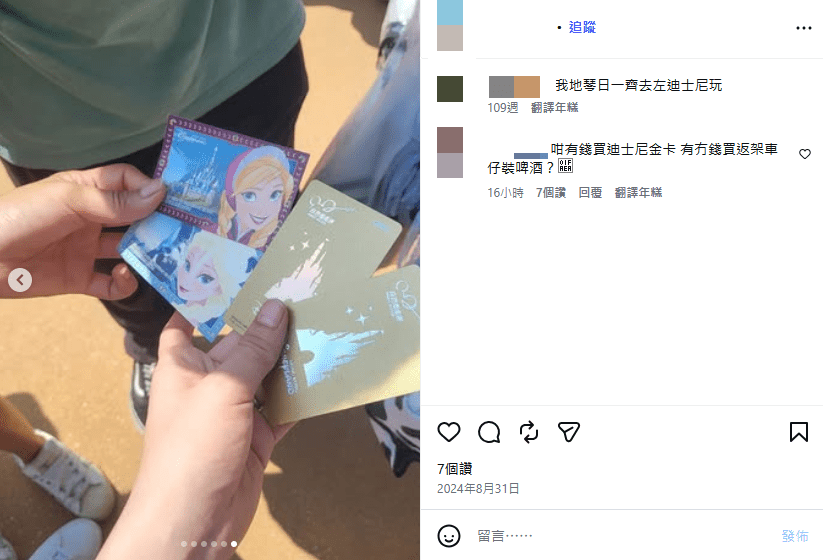
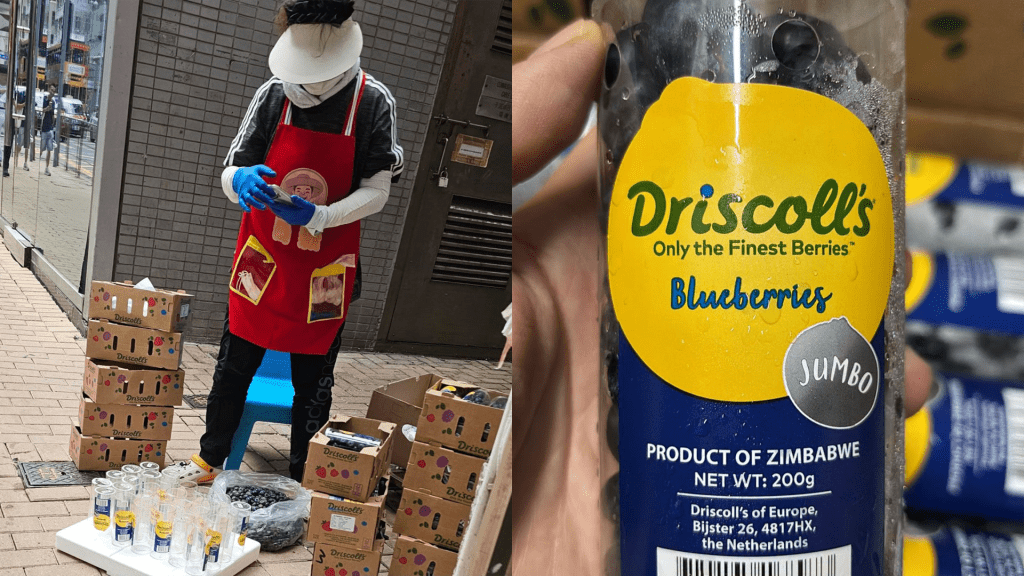
The trend exploded as users began applying the sentence structure to all aspects of daily life, from dining and shopping to traveling.
The name "Jayden," being one of the most popular English names for boys in Hong Kong, was chosen as the archetype, often joined by other common names like "Hailey," "Nathan," and "Charlotte" in the creative parodies.
The viral spread of "Jayden-mania" did not go unnoticed by major brands, which quickly began to leverage the trend in their marketing.
The pizza chain Pizza Hut, for instance, launched a promotion with the tagline, "Jayden and Hayley, Mami is taking you to eat pizza tonight."
Electronics retailer Fortress also joined in, posting, "Jayden, do you want a computer?" This demonstrates how deeply the meme has penetrated mainstream marketing strategies to connect with younger consumers.
Backlash and broader concerns
While the trend is largely seen as a joke, it has also sparked concern among some observers. Many have worried about the real-life impact on people actually named Jayden, who may now face relentless teasing.
A more profound concern points to the potential impact on local language and culture. Some worry that if this stilted, "Jayden's Mami" style of speaking becomes normalized, it could negatively influence the linguistic habits of the next generation.
Commenters have reported already hearing children say things like, "mami, I'm so afraid," fearing it could become the new normal for Hong Kong's youth.
The prevalence of the name Jayden is not just a local phenomenon. Foreign media has also commented on its ubiquity.
The UK's Mirror, citing a baby naming expert, described "Jayden" and its variations as one of the "tragic" and "hyper-popular" names that parents in 2026 should consider avoiding.
The expert noted that the name was so trendy in the 2000s and 2010s that it lost its uniqueness, and such names risk becoming strongly associated with a specific era, eventually feeling dated.