Read More



Is the AI boom turning into a bubble? | Zero Shot Inference | Allen Au
20-08-2026 05:08 HKT

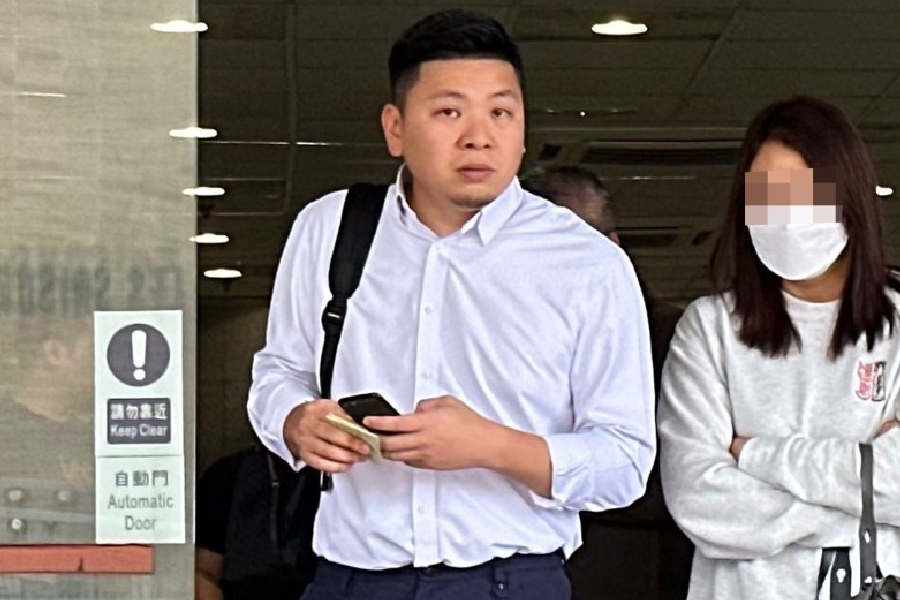
IT manager sentenced to 22 months for stealing $1.2m in Deloitte laptops
21-08-2026 21:49 HKT
Siobhan's journey has been adorned with numerous record-breaking accomplishments that show her to be a person of unwavering dedication, clear ambitions and the ability to put dreams into practice.
The 14th five-year sports development plan outlines China's ambition to become a modern leading sports socialist country by 2035.
The focus remains on supporting elite sports, enhancing professionalism, maintaining Hong Kong as a center for major international sports events, developing sports as an industry, and promoting sports in the community.
To achieve these objectives, the presence of comprehensive legal and disputes resolution systems are crucial.In particular, sports law and sports-related disputes resolution should strike a balance between the interests of stakeholders, including athletes, team owners, and event organizers, while also considering the interests of the spectators.
Despite the Olympic Charter's call for political neutrality, we have unfortunately witnessed numerous instances of sports becoming politicized in recent years.In the current tense geopolitical climate, if someone were to unjustly accuse Haughey of using Captain America's "super soldier serum" to achieve her remarkable performances, it raises the question of where we should seek justice and who can verify the truth.
Currently, the Court of Arbitration for Sport, located in Switzerland, is a highly recognized institution dedicated to resolving international disputes.Increasingly, sports events organizations and associations in Asia, Africa and the Middle East are often confronted with the question of whether there can be a more geographically convenient and neutral seat to resolve disputes in the same time zone than to send all parties to Europe in some situations.
For example, with doping cases, athletes have no choice regarding the application of rules or the dispute resolution process, apart from the selection of their own arbitrators. Within the World Anti-Doping Agency regulatory framework, athletes are bound by these rules even if they feel they are unreasonable or unfair.In such cases, one might wonder how their rights can be safeguarded and about the extent of judicial intervention, if any, and its potential impact.
With the rapid development of Chinese sports, China's influence in international sports is continuously strengthening.Similar to Western sports powerhouses, Beijing has set up our own arbitration mechanism and institution, the China Commission of Arbitration for Sport.
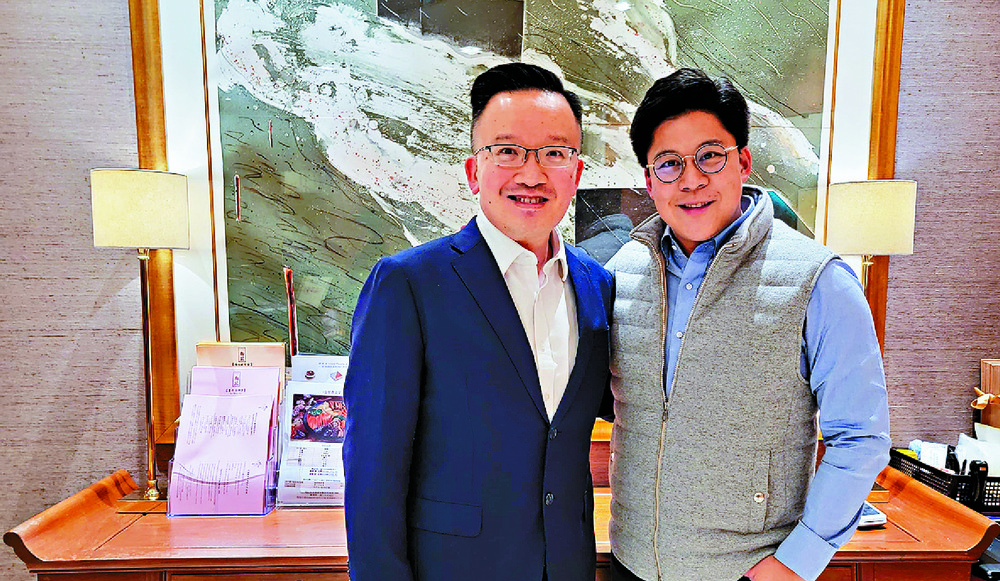
As an international metropolis and an event capital, establishing a Hong Kong branch of the CCAS or promoting SAR-based arbitration centers would be beneficial for sports development.Last year, Legislative Council and National People's Congress member Kenneth Fok Kai-kong and I submitted a joint proposal during the "Two Sessions" on this issue after getting the support of the sports community here.
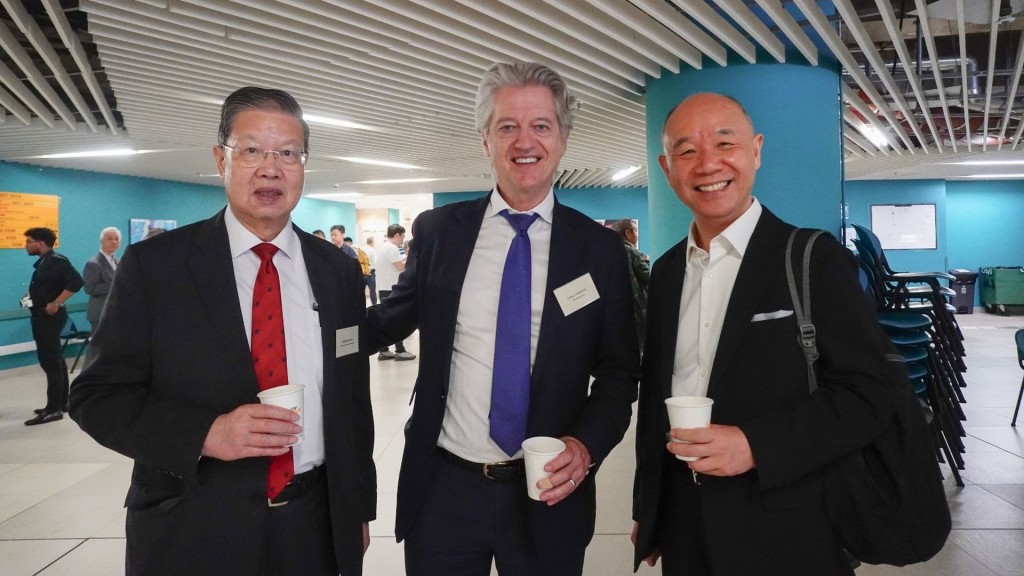
Behind every athlete is a journey filled with sweat and tears. It is crucial to safeguard their legitimate rights and interests.To achieve this, Hong Kong must cultivate more professionals in the field of dispute resolution, and AALCO-HKRAC is fully dedicated to this endeavor.
We welcome qualified professionals to apply to join our panel of arbitrators to meet the growing needs for such services in the region.If you too want to contribute to our country's aspirations of becoming a sports powerhouse, please join our panel by submitting your application online at
www.AALCOHKRAC.org.