Read More

What we gave back | Boarding Pass | Aidan Leung
28-04-2026 00:51 HKT








Are we well, Chaps? | Boarding Pass | Aidan Leung
27-04-2026 01:24 HKT
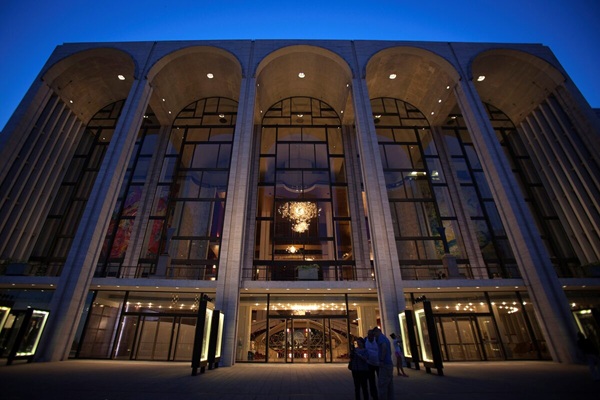

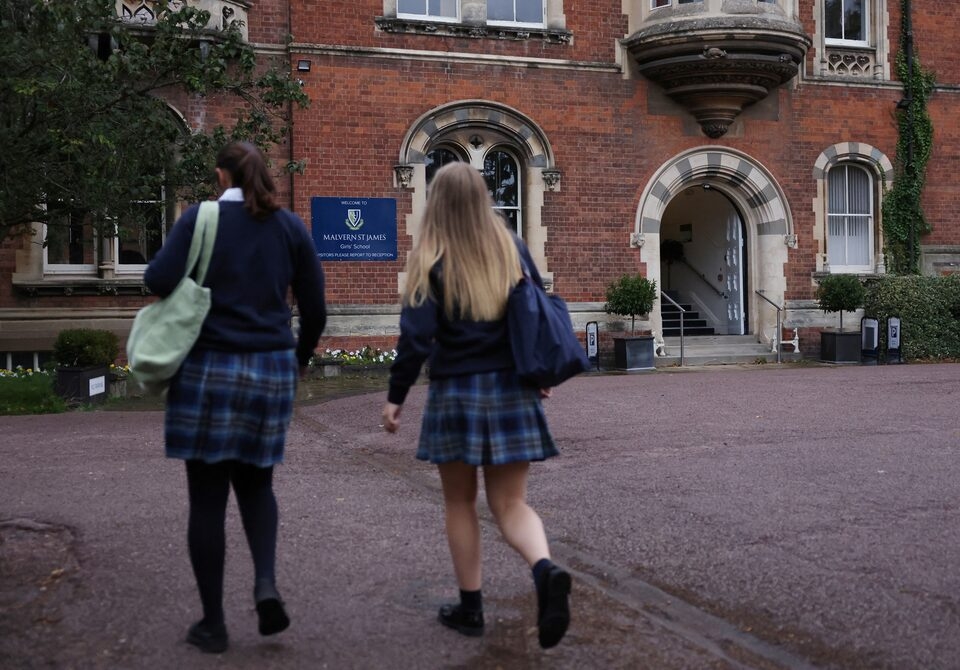
Twelve percent of pupils of a £66,000 per year school are offered free or subsidized places to attend. The reality is complicated.
The school fees are £32,000 a year. With boarding, it reaches £66,000. For around one in eight pupils, that bill is covered by a bursary— free or subsidized places. Only the pastoral team and the pupil themselves know they hold a bursary. Nobody else would be told.
The school says we are a diverse and welcoming community. We seem to be, but are we truly?
Conversations at a school like mine carry a particular vocabulary. Instead of talking about the Premier League, we compare ski resorts in the Alps, critique Michelin-starred restaurants, and judge various designer clothing. The boys who discuss these topics are not trying to flaunt their wealth; it is the manner in which they have learned to talk from their parents. When they have grown up this way, surrounded by schoolmates who have also learned to speak in this manner, it registers as normal.
For pupils on full bursaries, these conversations register differently. These experiences do not relate to them, so they do not participate in the conversations. Over time, some of them become silent observers.
One example of this is a celebratory dinner after our exams, organized by a friend. A Wagyu beef yakiniku in central London that must be booked in advance. One member of the group said discreetly that he would find it difficult to afford. The rest of us covered his meal so as not to leave him out. It felt like the right thing to do. He thanked us and came and the evening was great.
Afterward, the atmosphere shifted ever so slightly, and he grew quieter and distant. The gap we tried to bridge became an uncomfortable spotlight on him.
Anthropologists have a word for this: the invisible currency of shared references. These are experiences and phrases used over the lunch table that signal who belongs where in the social hierarchy.
The school distributes £5.5 million in bursaries each year. The overwhelming majority of recipients progress to Britain’s leading universities. By the metric of academic mobility, the program succeeds.
The more fortunate pupils do not intentionally exclude anyone either. What is happening simply exemplifies Britain’s class divide, a divide that has been entrenched across generations. A school can briefly suspend it during the admissions process, but not in the corridors, at lunch or during supper.
The school’s policy is valued enormously by those who benefit from it. The question is whether academic mobility can come without the quiet divide that is carved through the student body.
Everyone at the school is well-intentioned. Still, the invisible barrier exists.
Boarding Pass is a series of dispatches from inside a British fee-paying boarding school.
Aidan Leung is a sixth-former studying at a boarding school in England.
𝗙𝗼𝗹𝗹𝗼𝘄 𝘁𝗵𝗲 𝗰𝗼𝗺𝗺𝘂𝗻𝗶𝘁𝘆 𝗼𝗳 𝗧𝗵𝗲 𝗦𝘁𝗮𝗻𝗱𝗮𝗿𝗱↓