Read More




Powering Hong Kong’s data-driven future | Nuts and Bolts | Edmund Leung
16-09-2026 00:05 HKT

John Lee and CY Leung lead pallbearers for Tung Chee-hwa
20-09-2026 15:54 HKT


The Middle East war and the closure of the Hormuz Strait have halted supply of crude oil to many parts of the world. It is a stark reminder of the need to diversify fuel supplies and not depend on fuel oil alone.
The interruption of this sea passage, which carries about 20 percent of the world’s crude oil supply, has caused many countries – not only in Asia, but also in Europe – to suffer a critical supply situation.
Though we are suffering from fuel price hikes in Hong Kong, we have not seen any short supply. This is probably because most of our fuel supplies come from mainland China. They have long established a comprehensive energy policy as part of national security measures. This includes a large stock of fuel in emergency reserves, and a diversification of energy sources which includes water, solar, wind and nuclear power. The huge growth in applications of renewable energy – both in wind power and solar power – coupled to a program of fast growth in nuclear power allow the country to depend less on fossil fuel. China is now the largest producer of nuclear power, with an installed nuclear capacity of 125 gigawatts, ahead of the United States and France, though it remains a small percentage of their total power generation. There is tremendous potential for growth.
For some 20 years, Hong Kong has already formulated an energy policy for electricity generation with less dependency on fuel oil, though its original purpose was to reduce air pollution rather than for power security. At that time, our electricity supply fuel source was 50 percent coal, 25 percent liquefied natural gas and 25 percent nuclear power. It served us effectively and helped to keep our electricity tariff low and affordable. To further control our air pollution, we have now reformulated the percentages to 25 percent coal and 50 percent LNG – with a wider application of combined cycle gas turbines. Our petrol and diesel oil supplies – which are mainly to cover transport needs – also come from diversified sources, but with the majority from our mother country. We are seeing a price increase, but far less than many of our neighbors. This is further alleviated with a recent government subsidy for diesel oil, and the promotion to use electric vehicles for smaller vehicles.
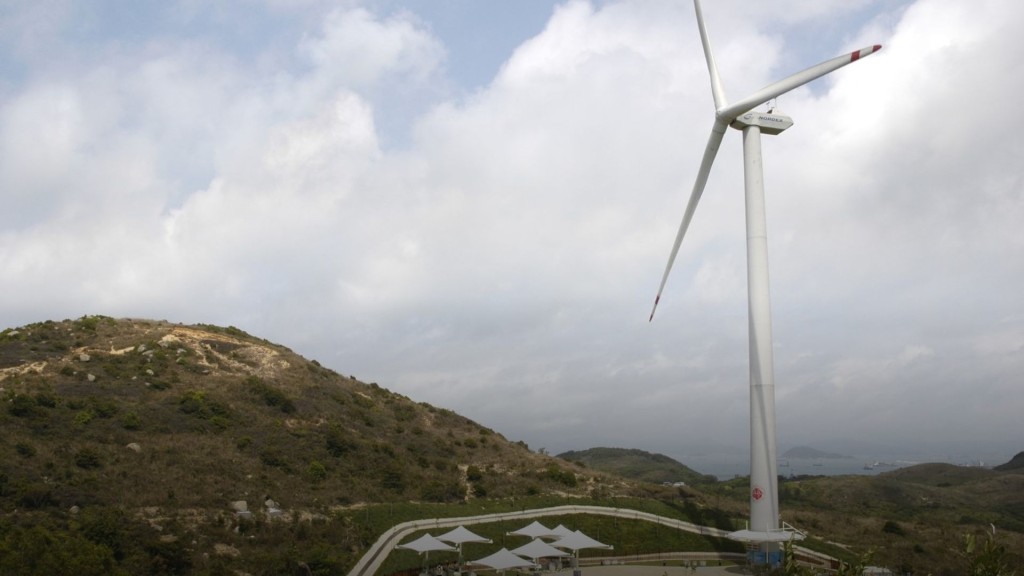
It is at times like this when we need to review our energy policy. Due to our land limitation, extensive growth of renewable energy would not seem to be practical, though we have long encouraged roof-top solar power with the Feed-in Tariff Scheme. Wind power growth does not seem a practical solution.
What is left is nuclear power. It is a clean fuel, and feedstock supply does not depend on a particular area. The fuel source for nuclear power that will be required can be provided nationally, or imported from Canada, Kazakhstan or Russia. Nuclear power safety has been well proven in China with our Daya Bay Power Station, which has been operating effectively and safely for over 30 years.
There have been significant developments in nuclear power recently, with nuclear micro power generators gradually becoming commercially available, and with nuclear fusion plants in active development, but application of these systems to Hong Kong will likely be at least two decades away. Application of the former is hindered by the lack of roof or ancillary space to house them under the present town planning rules, as property developers have already made maximum use of the plot ratio, and the latter are still in the laboratory phase. It appears that our best bet for the immediate future is via import of nuclear and renewable energy power from north of the border.
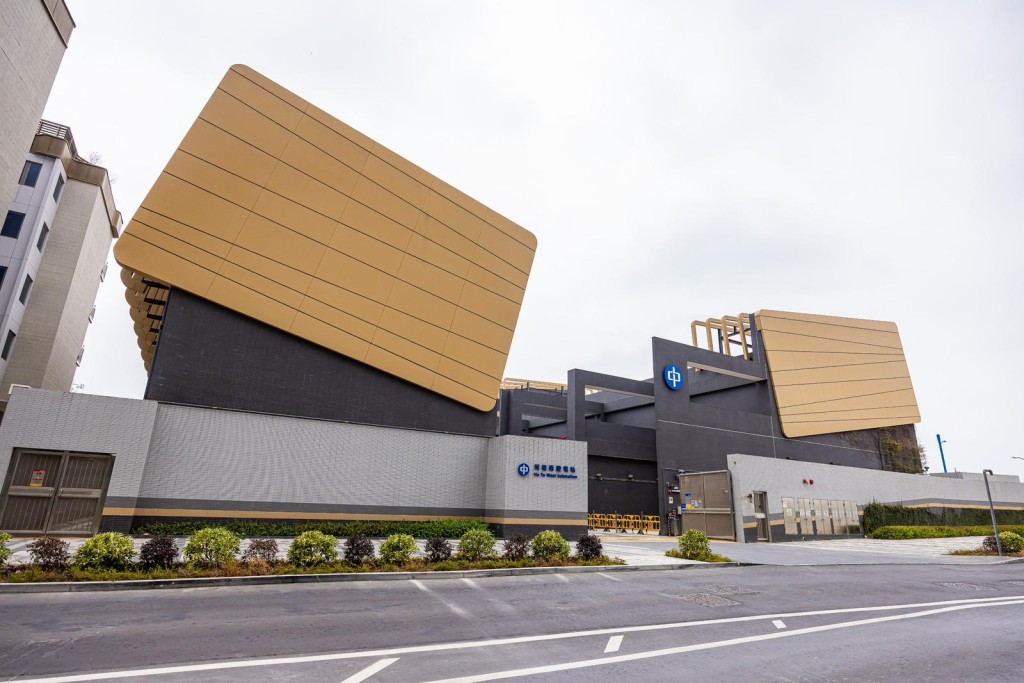
Through effective promotion on energy saving schemes, we have got by over the last two decades without a significant increase in power generation capacity. But with the Northern Metropolis development and expansion of data centers, there will be a need to increase generation capacity. Our government has already earmarked an area in Tseung Kwan O to accept power through submarine cables. With this provision we should be ready to receive more power from the mainland to meet our near-term future needs.
It is at times like this when we see the need for longer term planning of our essential infrastructure. But meanwhile, we must be thankful that we have our motherland to support us with a plentiful supply of energy sources to enable our commercial and domestic activities to thrive without interruption.
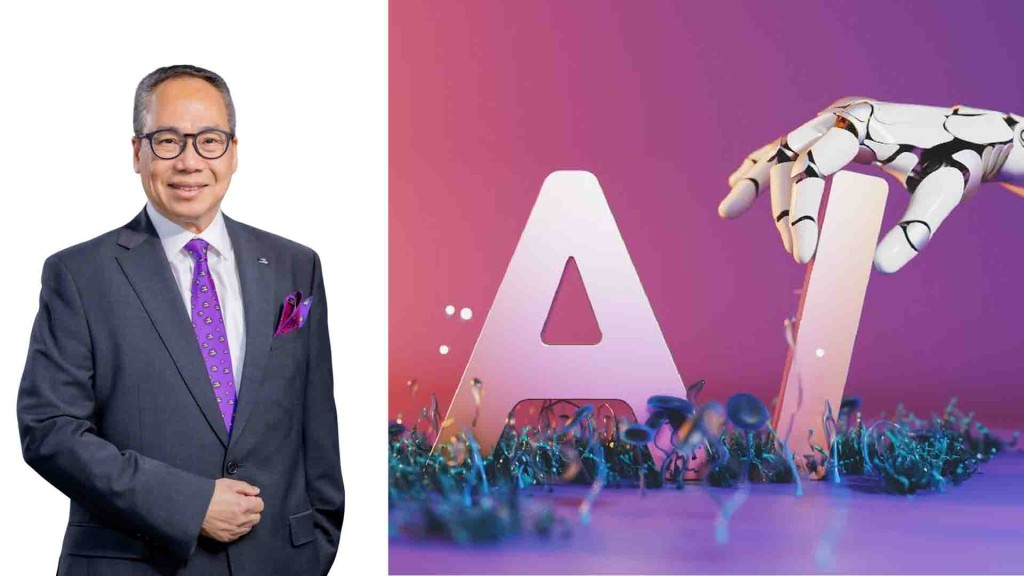
Veteran engineer Edmund Leung Kwong-ho casts an expert eye over features of modern life