Wallis Wang
Hongkongers should remain vigilant while visiting the mainland, as Shenzhen authorities have reported a surge in norovirus infections this month.
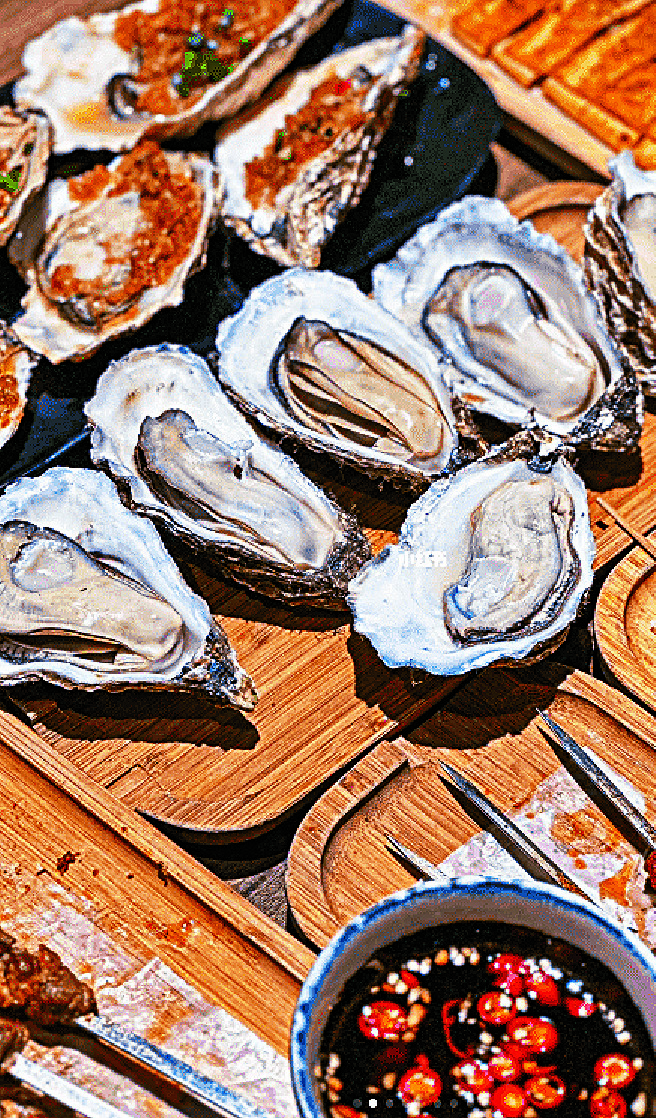
Norovirus, also known as the winter vomiting disease, can spread through inhaling airborne particles from vomit or feces, or consuming contaminated food or water, including fruits, vegetables and seafood, particularly raw oysters, which have become increasingly popular in Shenzhen.
"Since October, the number of norovirus infections and other infectious diarrhea cases reported in Shenzhen has increased significantly compared with the same period in 2023," the Shenzhen Center for Disease Control and Prevention said on Friday.
"The number of diarrhea cases among students in Guangdong over the past two weeks is also at a high level in the same period of the past three years," it said.
Citizens are advised to wash their hands with liquid soap regularly, eat only fully cooked food and avoid contact with anyone who is vomiting, according to the Shenzhen CDC.
It also reminded kindergartens and schools to take precautionary measures to prevent potential transmission of the virus, including checking students' health condition daily and figuring out the cause of sick children's illness.
If schools observe an increasing trend of the disease, defined as seeing a cluster of more than five cases over a space of three days, they should report the outbreak to local health authorities immediately, it added.
A Hong Kong specialist in infectious diseases, Joseph Tsang Kay-yan, told The Standard yesterday that norovirus infections, a common source of gastroenteritis, occur around the world and the SAR would also record such cases from time to time.
Norovirus infections usually peak in winter, spanning from September or October to March or April, Tsang said, adding patients would develop symptoms including vomiting and diarrhea.
He said people often contract norovirus from uncooked food, especially seafood, vegetables and fruits, as well as contaminated water.
Once infected, a patient will develop symptoms fast due to the short incubation period, and may spread the virus to many people, Tsang said, warning that only a small amount of the virus is enough to infect people.
"Norovirus outbreaks often occur at hotel buffets, kindergartens, hospital canteens, elderly homes and on cruise ships where people would gather and have meals together," Tsang said.
"For example, if a cook or a staffer of a restaurant is infected with the virus, the food may be contaminated, infecting the diners," he said.
Tsang said it is possible for Hongkongers to contract the virus when having meals in Shenzhen restaurants and appealed to people to opt for cooked food instead of raw seafood.
They should also drink bottled water or boiled water and avoid ice cubes from unknown sources, he said.
Tsang urged people to maintain good personal hygiene, especially when they have to use public restrooms.
"Alcohol does not effectively kill norovirus while soap does. So people should not rely on alcohol-based hand rub or wet wipes and they should clean their hands with liquid soap and running water," he said.
Those feeling sick should also seek medical consultation as soon as possible.
Pamela Youde Nethersole Eastern Hospital had a large-scale norovirus outbreak in which 77 staff members developed abdominal pains, nausea, vomiting, diarrhea and fever from May 17 to 23.
The Centre for Health Protection believed the outbreak was caused by person-to-person transmission or transmission through environmental contamination, as over half of the affected staffers worked in the same building of the hospital.
Fear of mass norovirus infections in Shenzhen has sparked warnings over uncooked oysters and potentially unhygienic practices, with even Pamela Youde Nethersole Eastern Hospital seeing a mass outbreak in May among its staff. SING TAO