Innovative scientists who shoulder a strong responsibility in this timeline, tech-savvy lawyers and lawmakers who are harmonizing and updating regulations and standards across geographical regions and jurisdictions and industrialists are combining their efforts to overcome challenges to unlock and expand the trillion-dollar low-altitude economy market.
These are people who embody the Lion Rock can-do spirit and the entrepreneurial venture capitalists who walk the talk.
By unleashing the full potential of the low-altitude airspace, now at higher than 1,000 meters, they aim to shorten the distance between people and goods, services, nature and networks.
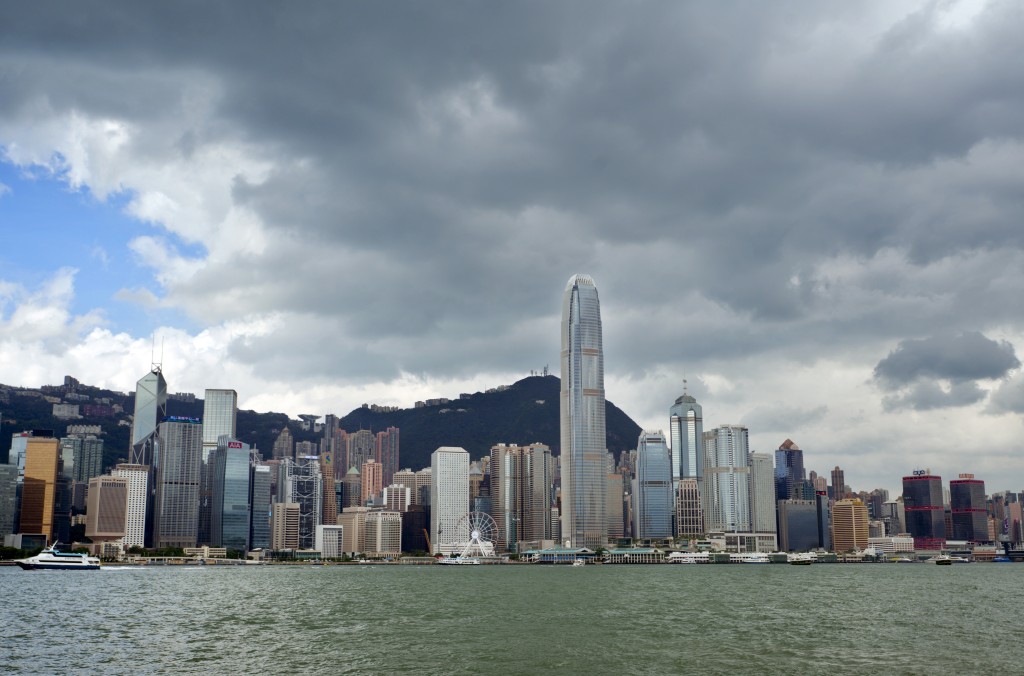
This is expected to enable unmanned drones to deliver medicine, food and cargo, supporting disaster relief, repairs and performances and even offering the experience of autonomous aerial taxis traversing across the Victoria Harbour and other parts of the Greater Bay Area.
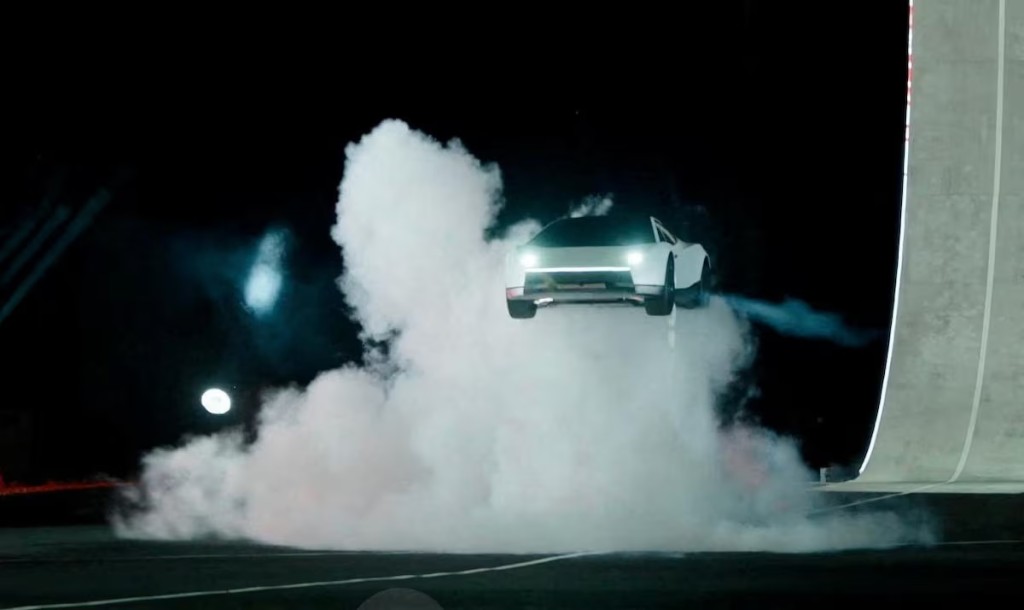
These innovations will turn sci-fi movies into reality, unleashing much needed new productivity and a new economic engine.
With strong support from the mainland and being closely connected to the world, Hong Kong, with many unique advantages under one country, two systems, including retaining a separate customs territory and independent monetary, fiscal and taxation systems and a rich talent pool, stands to gain and contribute significantly by fully integrating into and growing with national development plans and seizing the window of opportunity to expand the international market for the low-altitude economy and shaping relevant international regulatory environment and standards!
However, whether we can safely catch these low-hanging fruits to a large extent depends on whether we can maintain a people-centric developmental philosophy and build robust safety measures and standards.
Even if "your cup of tea" falls from 1,000 meters in the sky, you would not want to catch it for safety reasons.
Therefore, Hong Kong could proactively lead by example and collaborate with the 49 member countries of the Asian-African Legal Consultative Organization and other nations.
It should update international standards and local regulations (such as the laws of Hong Kong chapters 448G Small Unmanned Aircraft Order and 448C Air Navigation (Hong Kong) Order 1995).
That would allow "beyond visual line of sight" operations, increase the permissible payload for uncrewed aircraft from 25 kilograms to 150, approve more helicopter flight routes and allow passenger-carrying electric vertical take-off and landing vehicles to operate when there are sufficient supporting flight-safety data.
Hong Kong would soon collect and collate useful flight and safety big data from the low-altitude economy regulatory sandbox initiative spearheaded by Secretary for Transport and Logistics Mable Chan.
By leveraging the critical safety data generated from this initiative, Hong Kong and hopefully the rest of the world can together learn from the recent tragic mid-air US collision in Wsshington, DC, and contribute "Eastern AI wisdom" to develop human-centric safety system for collision avoidance and cybersecurity in aerial operations.
This will not only reassure developing nations that are part of shared global development initiatives but also enable them to benefit from Hong Kong's role as an international financial center, talent hub, regional intellectual property trading center, international innovation and technology hub and regional legal and dispute resolution services centre.
Together, we can collectively enjoy the dividends of the low altitude economy, allowing people around the world to lead better lives!
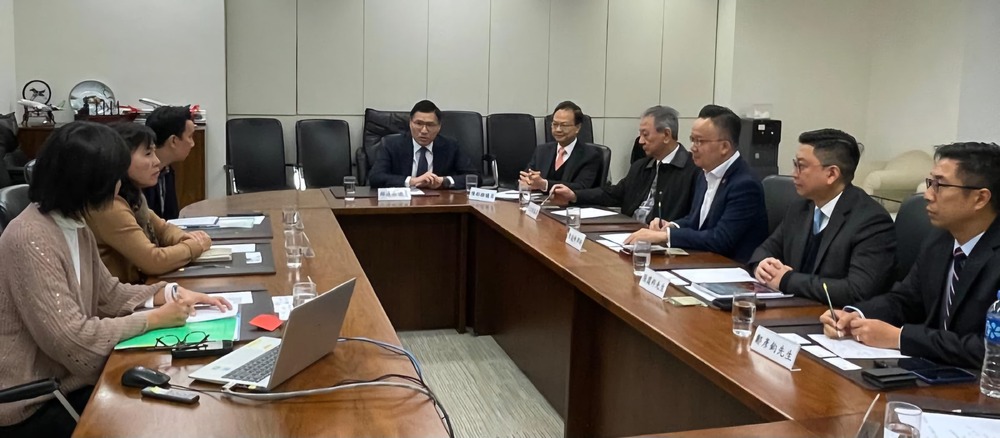
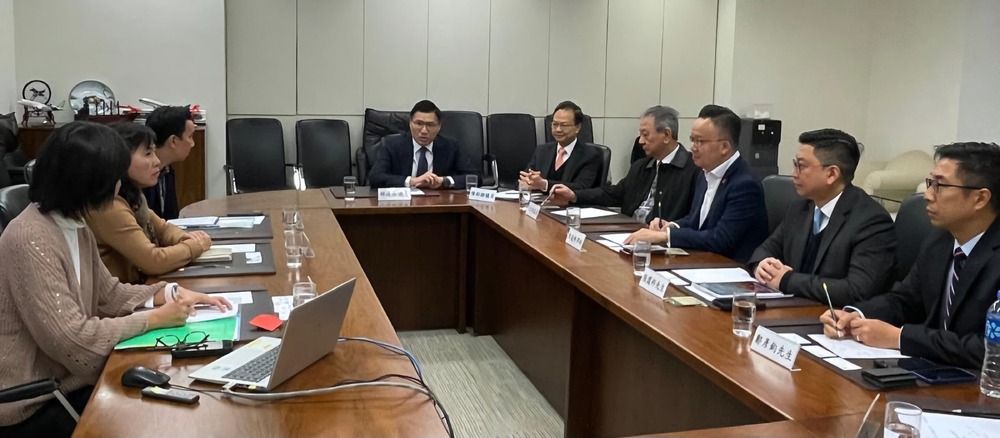
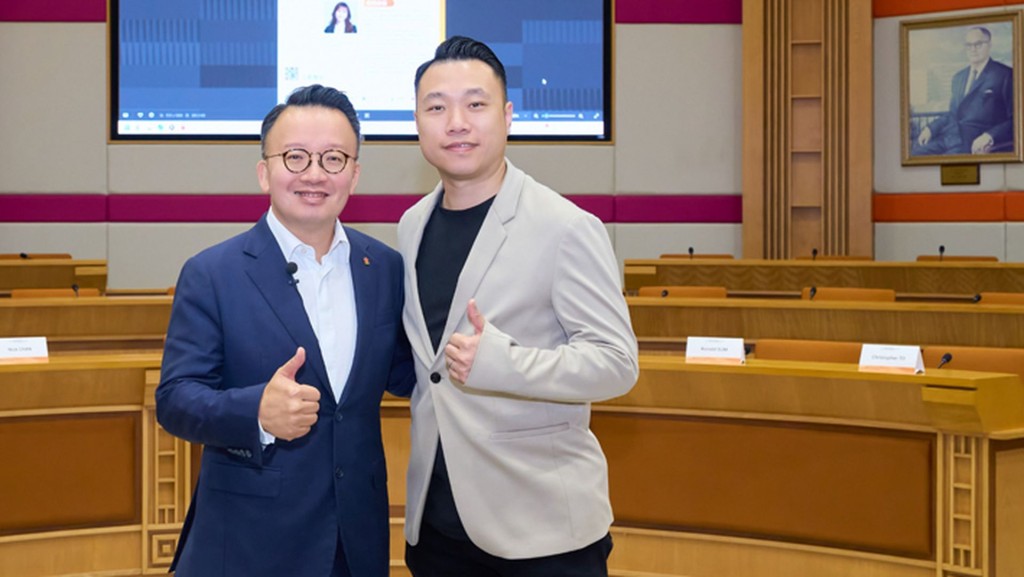
Secretary for Transport and Logistics Mable Chan and her colleagues meet The Low Altitude Economy Association of Hong Kong, China, representatives, led by chairman Barry Cheung, honorary president Nick Chan and advisers and Legislative Council member