Read More










Law Society proposes allowing solicitors to be appointed Senior Counsel
21-09-2026 01:56 HKT
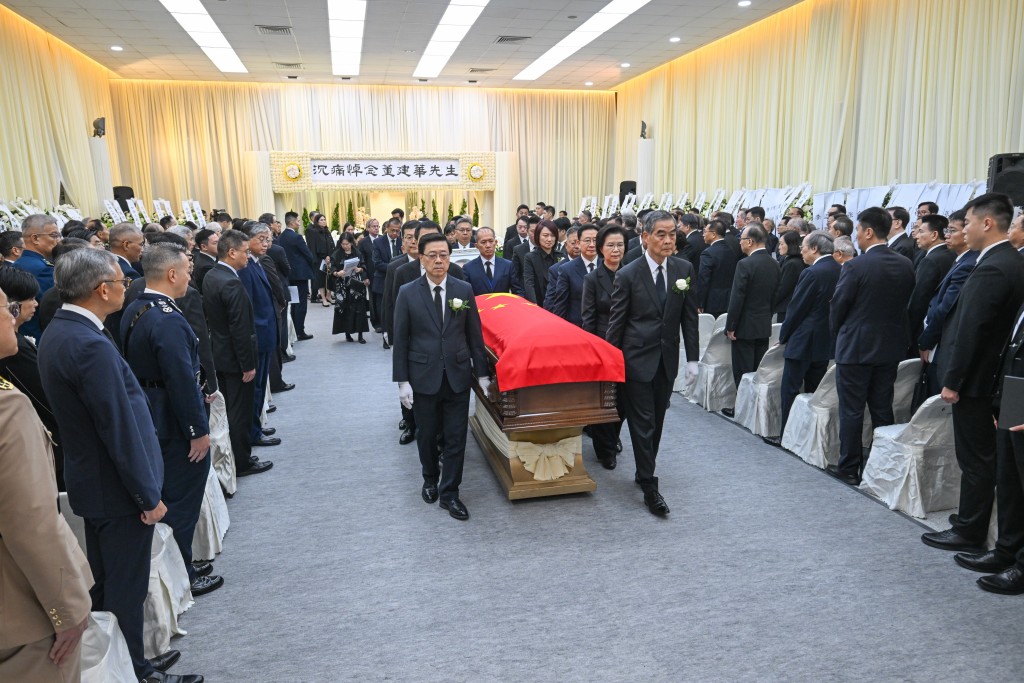
John Lee and CY Leung lead pallbearers for Tung Chee-hwa
20-09-2026 15:54 HKT


The landscape for data centers is marked by a confluence of emerging technologies, each playing a significant role in shaping the future of the industry.
From artificial intelligence, digital twins and the Internet of Things to blockchain and fifth-generation tech, these technologies are not only enhancing the capabilities of data centers but also presenting new challenges and opportunities.
This week I want to examine five cutting-edge technology trends with transformative impact on performance optimization and predictive maintenance in data centers.
First, AI plays a pivotal role in automating data center operations.
From predictive maintenance to autonomous monitoring and intelligent energy management, AI-powered analytical tools are using machine-learning algorithms to enhance efficiency and reliability.
Intelligent cooling and energy management powered by AI help match thermal cooling to computation loads in real time, optimize energy consumption and prevent overheating.
For example, Siemens has implemented AI and white space cooling in its operations for thermal optimization with promising results, achieving energy savings of up to 50 percent.
Next up are digital twins, augmented reality and virtual reality technologies.
These technologies are becoming more commonplace, aiding in data center management and maintenance.
Digital twins, or a digital mirror, allows real-time monitoring and simulations of data center operations, while AR and VR enhance visualization and troubleshooting.
For example, a digital twin solution called Beamo, captures data center interiors using a 360-degree camera and generates a three-dimensional view to enable operators monitoring sensor data of energy consumption, cooling, humidity remotely and enhancing efficiency and collaboration.
Third, the IoT enables enhanced monitoring and operational efficiency.
With sensors and smart devices being used to track everything from temperatures to power usage, IoT technology is transforming data center monitoring by providing real-time insights into various operational aspects to ensure optimal performance and efficiency.
IoT is also facilitating the development of smart data centers that are capable of self-management and adjusting cooling, power, and other operational parameters automatically based on real-time data, leading to improved efficiency and reduced human interventions.
Fourth, blockchain technology is emerging as a key factor in enhancing data security and transparency.
Its decentralized nature offers a robust solution against data tampering and cyber threats, making it an attractive option for data centers concerned with security and compliance.
Blockchain is also paving the way for decentralized data storage solutions that offer increased security and redundancy as data is not stored in a single location, thereby reducing the risk of data loss and breaches.
Last, the rollout of 5G technology is a game changer for data centers.
With its high-speed data transfer capabilities, 5G is enabling faster and more efficient data communications and supporting a higher number of connected devices, which is critical for real-time applications.
5G's low latency and high bandwidth are also bolstering edge computing, which is particularly prevalent in IoT and AI applications. It brings computations closer to data sources and reduces latency, improves speeds and enhances overall efficiency.
This synergy reduces the distance data needs to travel and improves response times.
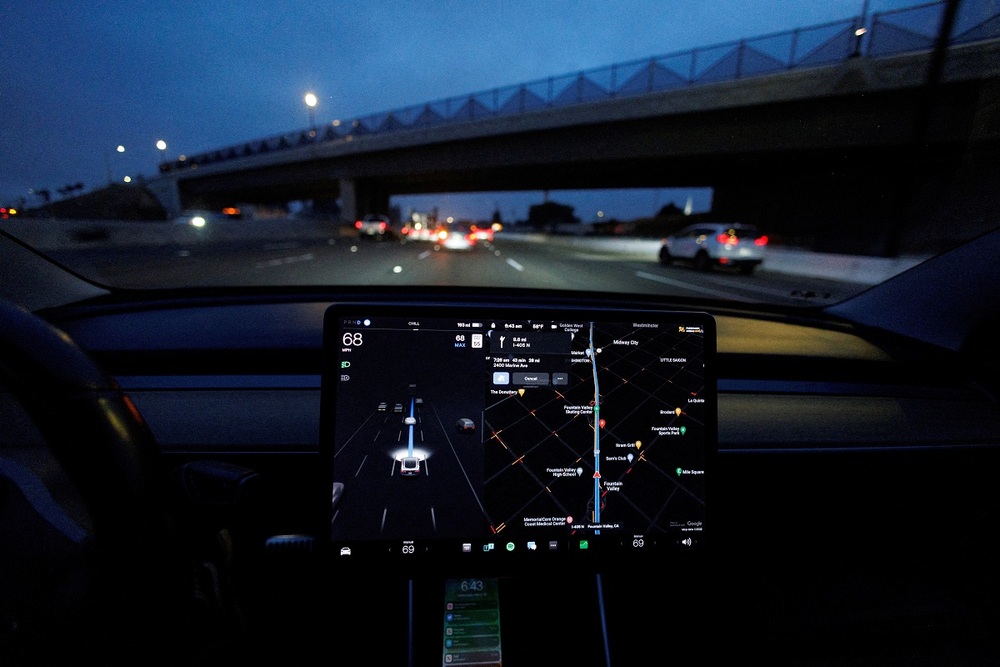
Localized data processing centers are thereby deploying and particularly beneficial for applications requiring immediate data processing, such as autonomous vehicles and smart cities.
Technology innovations are rapidly reshaping the landscape of data storage, processing, and management, presenting a unique blend of challenges and opportunities for the data center industry which stands on the brink of a technological revolution.
Dr Jolly Wong is a policy fellow at the Centre for Science and Policy, University of Cambridge