Read More
One in three potential first-time buyers are planning to get on the property ladder within a year in a sign that confidence in the market has returned following the axing of all housing curbs earlier this year, a survey shows.
ADVERTISEMENT
SCROLL TO CONTINUE WITH CONTENT
Sing Tao News Corporation surveyed 6,181 Hongkongers about their plans and preferences for buying a home as well as what they expect from the government in terms of support.
Among them, as many as 36 percent said they may buy a flat over the next 12 months.
The potential first-time buyers are mostly middle-class residents with 44.7 percent earning HK$60,000 per month and 20 percent earning up to HK$100,000.
The aspiring buyers mainly rent private flats in Kwun Tong, Sha Tin, Kwai Tsing, Yuen Long and Tuen Mun.
And they believe that flats in Kai Tak, West Kowloon and the Northern Metropolis have the greatest potential to appreciate in value.
Meanwhile, 48 percent of all respondents expect home prices to rise in the second half of the year, and among them, 43.6 percent expect prices to rise by 10 percent at most.
Hong Kong's home prices have rebounded in March and April and are up 2 percent from February, benefiting from the historic withdrawal of "spicy" housing stamp duties in late February.
The respondents also expect more supportive measures from the government.
They want the government to provide home purchase concessions to newlyweds or subsidies to families with newborn children who want to move into a bigger home.
Some suggested raising the upper mortgage limit and allow mortgages for properties aged 40 years or above to be taken out at 90 percent of the property's value.
Others want first-time homebuyers to be given tax breaks for 10 years after their purchase, to alleviate their burden.
There was also a bold suggestion to follow the mainland's lead and grant citizenship to foreigners who buy property in the city, to boost the demand.
The more positive outlook for the property market comes amid hopes that the US Federal Reserve will start cutting interest rates in the second half, and more Hongkongers are considering buying a home amid increasingly higher rents, say Eddie Lam Yat-ming, a senior lecturer at Hong Kong Metropolitan University, and Billy Mak Sui-choi, an associate professor at Hong Kong Baptist University.
But Mak noted that aspiring homebuyers, and especially investors, are waiting for the Fed to cut rates before taking the plunge.
When it comes to buying a property, nearly 39 percent of the respondents said the price of a home or affordability counts the most when making a decision.
The impact of individual income and family's housing needs came second and third, for 23.6 percent and 18.8 percent of respondents respectively.
Nonetheless, Many Wells Property president Lawrence Wong Dun-king believes incomes matter more for people who plan to buy a home for their own use.
He believes they can enter the market as long as 30 percent of their income can be allocated to paying off their mortgage.
Both Wong and Mak expect home prices to slowly rebound - by 10 percent at most - as they believe the possibility of rate cuts this year remains high.
Meanwhile, Kai Tak and West Kowloon are considered to have the best growth potential by 29.7 percent and 22.8 percent of the respondents respectively, with the Northern Metropolis in third spot with 20.2 percent.
Projects in Kai Tak have benefited the most from the removal of curbs, with new homes being transacted at an average price of HK$19.48 million, far higher than the average of about HK$11.73 million for the city.
For instance, the average price of flats at KT Marina was HK$19,798 per square foot after discounts last October while flats at Henley Park were sold at HK$21,759 per sq ft in the secondary market last month.
In West Kowloon, Topside Residences priced its first batch at an average of HK$19,388 per sq ft after discounts in April, while The Arch saw its second-hand units sell for HK$31,029 per sq ft on average in May.
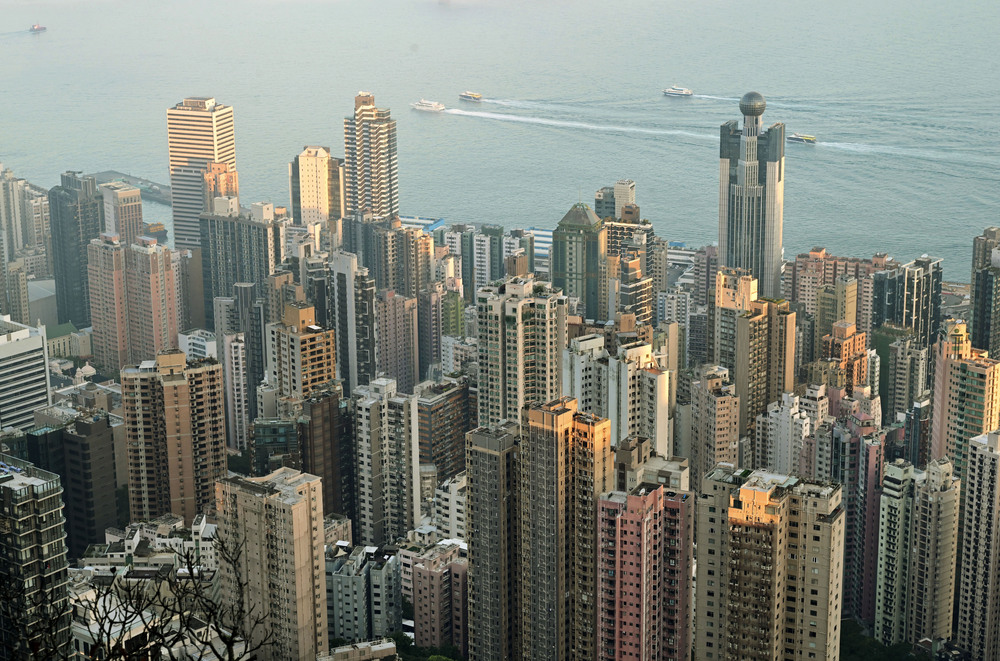
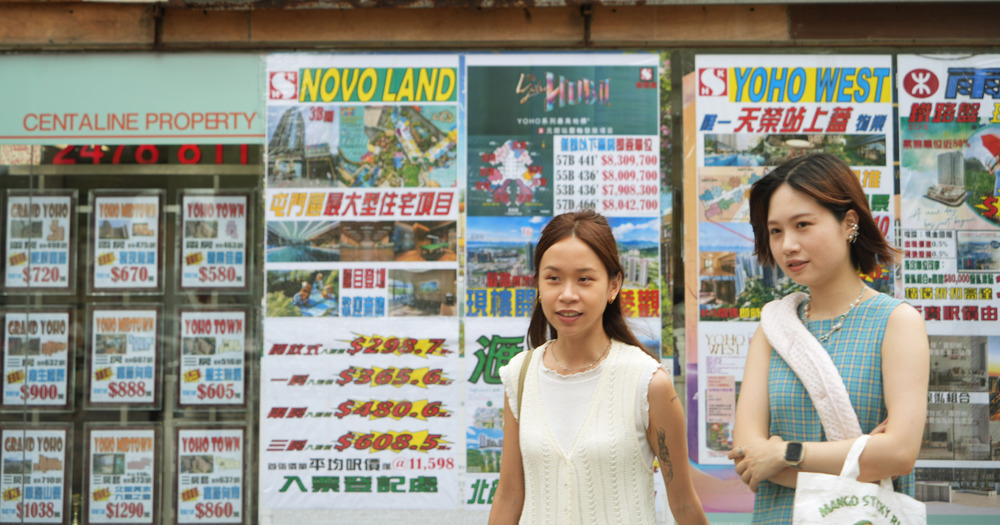
Nearly half of respondents in a survey said they expect prices to rise in the second half – and among them more than 43 percent predict an increase of 10 percent at most.SING TAO