Read More



Night Recap - September 28, 2026
12 hours ago




HK faces week of extreme heat with temperatures soaring to 34 degrees
28-09-2026 03:01 HKT
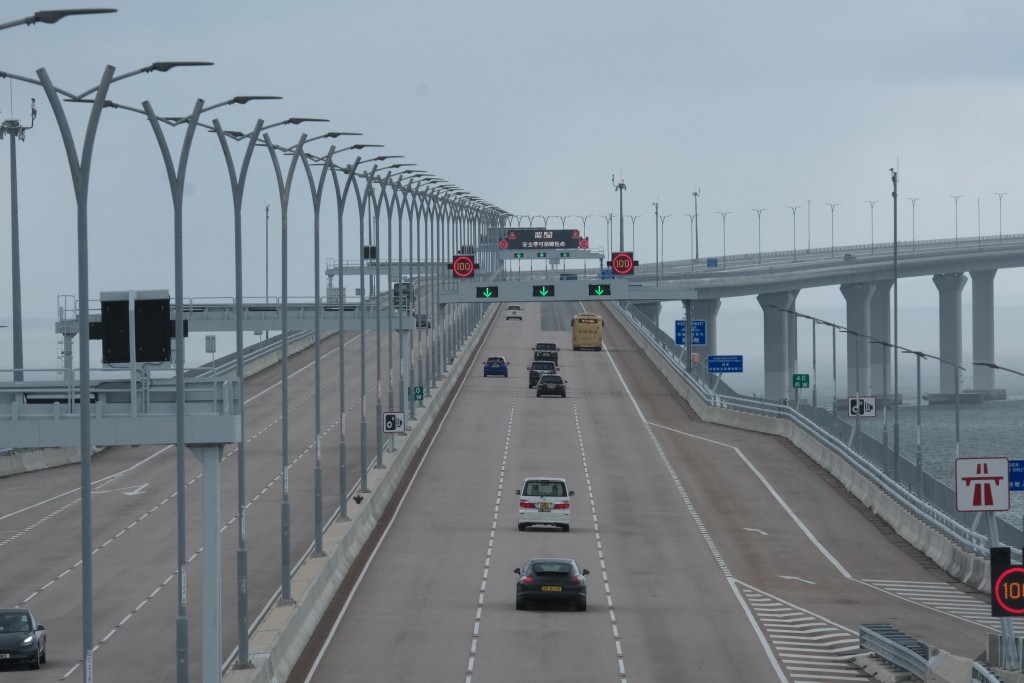
Hong Kong is set to significantly expand the Southbound Travel for Guangdong Vehicles scheme to cover nine cities in the Greater Bay Area, increasing the daily quota for direct city driving while introducing new park-and-ride options to boost local tourism and high-end consumption without congesting urban roads.
Secretary for Transport and Logistics Mable Chan announced during a Saturday radio broadcast that the southbound driving policy has operated smoothly since its inception, with holiday and weekend applications far exceeding the available limits.
To meet this surging demand, authorities are expanding the scheme to include nine Greater Bay Area cities, adding major hubs like Shenzhen, Foshan, and Dongguan.
The daily quota for mainland vehicles permitted to drive directly into Hong Kong's urban areas will also be increased to 200.
Chan noted that the initial application round for July 25 entry received an overwhelming response of over 15,000 applicants, oversubscribing the quota by more than three times, with the majority coming from the newly added neighboring cities.
The expansion aims to capture a lucrative demographic of driving visitors.
According to the transport chief, historical data indicates that most of these families stay for one to two days, primarily for shopping, visiting relatives, business, or sightseeing.
To encourage longer visits, the government is collaborating with the hotel and tourism sectors to roll out specialized accommodation and parking packages.
Major theme parks will also offer exclusive summer bundles. To ensure visitors can easily access these deals, the government plans to distribute comprehensive information kits at mainland vehicle inspection centers.
To prevent gridlock in the city center, the government is simultaneously launching a robust park-and-ride arrangement.
Drivers who do not secure one of the 200 daily city-entry permits can utilize the automated car park on the Hong Kong Port of the Hong Kong-Zhuhai-Macao Bridge, which operates without a quota limit.
The Airport Authority will kick off a trial run by opening 100 parking spaces on the same day, allowing visitors to park their cars at the border and switch to public transport.
Chan explained that the opposing travel directions of northbound and southbound traffic during holidays naturally stagger road usage, ensuring that the local road network can comfortably handle the 200-vehicle daily quota.
Looking ahead, authorities are actively preparing to extend the policy to all 21 cities across Guangdong Province by the first quarter of next year.
To enrich the park-and-ride experience, the Transport Department is encouraging franchised bus operators to develop creative tourist routes, including a new open-top bus service heading to Lantau Island attractions expected later this year.
Addressing recent public safety concerns regarding a mainland driver using a phone without hands on the steering wheel, Chan firmly stated that all drivers in Hong Kong face the exact same legal standards and that the specific case is being handled by the police.
Out of the more than 6,700 southbound trips recorded so far, traffic violations remain rare isolated incidents.
The bureau maintains a strict mechanism with Guangdong authorities, warning that serious or repeated offenders will have their southbound travel privileges suspended or permanently revoked.