Read More



Six senior counsel appointed
4 hours ago

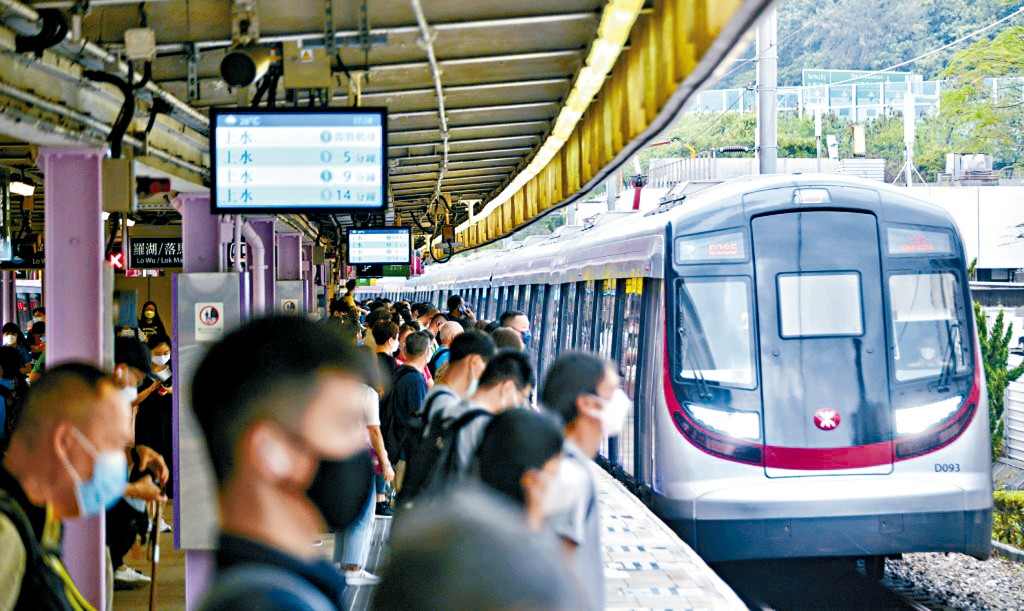
MTR launches first Q-train with new signaling system on Tsuen Wan Line
29-03-2026 17:41 HKT



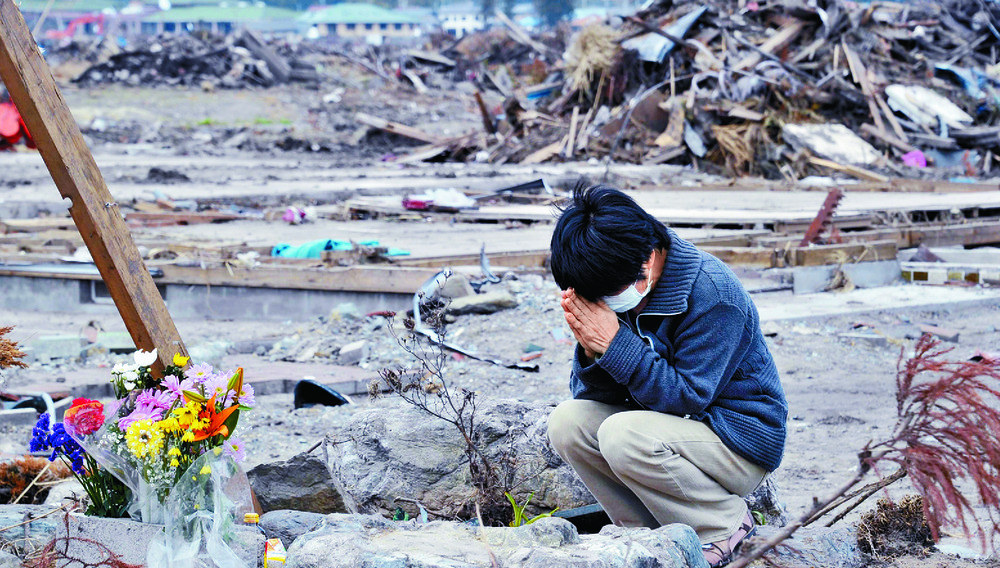
Researchers from Tohoku and Hokkaido universities and the Japan Agency for Marine-Earth Science and Technology released the results of their five-year study of the Chishima Trench off Hokkaido, NHK reported.
The team installed GPS observation stations on the seabed in 2019 around the point where an ocean plate sinks beneath a continental plate.
Researchers, according to NHK, said this indicates that parts of the plates are firmly joined together and strain may be accumulating.
Assuming that the plates have been joined in a similar way since the 17th-century quake, the team says the built-up strain would be equivalent to the energy released by a mega quake.The team plans to conduct a study at another location off Hokkaido, the report added.
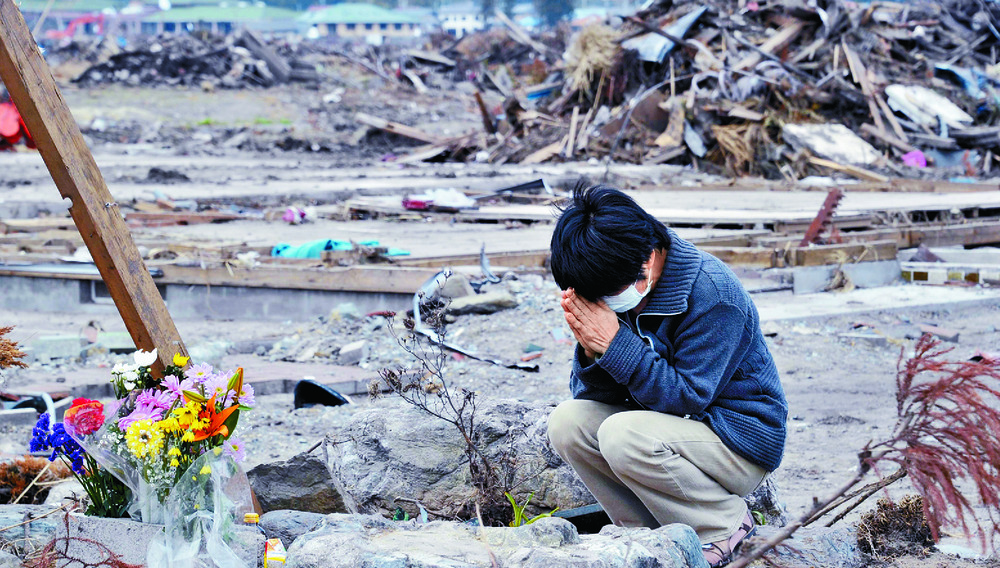
Tomita Fumiaki, assistant professor of Tohoku University International Research Institute of Disaster Science, said memories of the 2011 Fukushima earthquake and tsunami have been fading."We need to think again about what we can do to prepare for another mega quake," he told NHK.