Read More
Charlotte LamHis remarks follow Secretary for Health Lo Chung-mau's dismissal of Leung's inquiry into potentially restricting access to public hospitals for these individuals, who still hold HKID cards.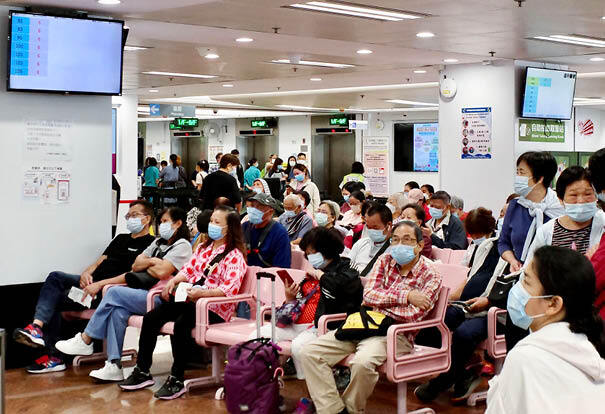
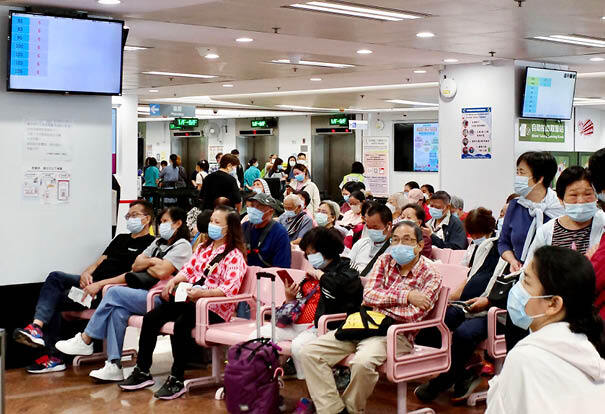
Lawmaker Edward Leung Hei said that it is relatively straightforward for health authorities to identify Hongkongers who have emigrated but are returning to the SAR for public medical services.
ADVERTISEMENT
SCROLL TO CONTINUE WITH CONTENT
Lo said it is difficult for medical personnel to ascertain how long patients have resided outside Hong Kong.
But Leung said that Hong Kong's smart ID cards already enable authorities to identify overseas residents by verifying their ID and immigration records.
He suggested this verification process could be extended to other welfare measures in the city, such as elderly living allowances and public housing, requiring applicants to have lived in Hong Kong for a specified duration.
Leung referenced South Korea's approach: "If citizens are out of the country for 30 consecutive days, their medical insurance is automatically canceled. To regain access, they must remain in South Korea for six months."He proposed that Hong Kong could implement a similar declaration form for long-time Greater Bay Area residents.
However, the proposal to restrict emigrated Hongkongers from accessing public hospitals may raise legal concerns.Regina Ip Lau Suk-yee, chairwoman of the New People's Party, warned that such restrictions may violate Article 36 of the Basic Law, which guarantees residents the right to social welfare.
"The Basic Law does not differentiate between permanent residents and Hong Kong residents who have relocated abroad or to the mainland," Ip said, adding that the measure could lead to discrimination.In response, Leung cited Article 107, which states that the government should avoid deficits, and Article 145, which mandates the government to create and enhance social welfare policies based on economic factors and societal needs.
He argued that these articles support the notion of differentiating welfare based on residency duration.