
Read More










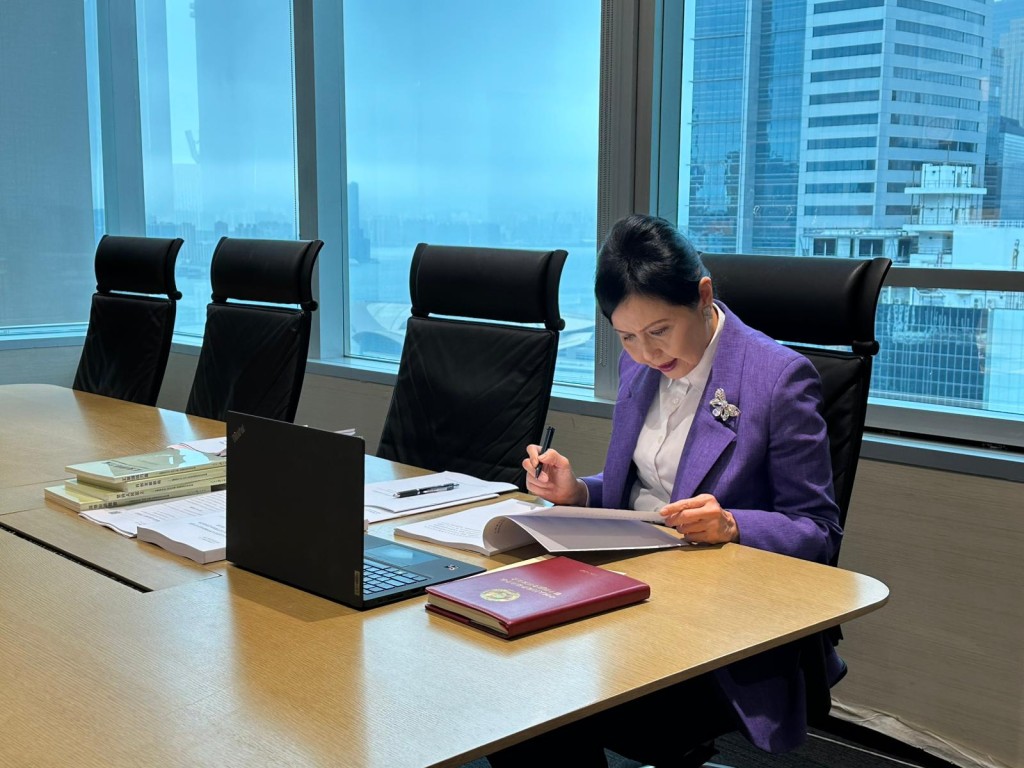

Five judges of the top court are presiding over the convictions of three former members of the Hong Kong Alliance in Support of Patriotic Democratic Movements of China, including chairwoman Tonyee Chow Hang-tung.
In December 2023, they filed an appeal with the high court, contending that the alliance was not a "foreign agent" with ties to foreign authorities or political organizations, as claimed by the police.
The court, however, dismissed their appeal in March. Judge Anna Lai Yuen-kee said the question of whether the alliance is a foreign agent "has no relevance to any necessary element of the offense."
The trio took their case to the court of final appeal, with hearings starting yesterday.The panel comprises chief justice Andrew Cheung Kui-nung and judges Fok Joseph Paul, Roberto Alexandre Vieira Ribeiro, Johnson Lam Man-hon and Patrick Chan Siu-oi.
The final appeal primarily addresses legal issues, including whether the Department of Justice is required to prove that the alliance is a "foreign agent," and the validity of the information requested prior to the enactment of the national security law.Chow, representing herself, expressed concerns that the police had not identified the alliance as a "foreign agent" linked to any specific foreign organization, suggesting that this ambiguity had harmed the reputation of alliance members.
Senior counsel Robert Pang Yiu-hung, for Tang and Tsui, cited article 43 of the law, which states that if the police commissioner reasonably believes it is necessary to prevent and investigate crimes endangering national security, he may issue a notice to a "foreign agent," requiring the organization to provide specified information.Pang said such powers must be exercised lawfully and questioned whether the law applies to individuals merely suspected of being "foreign agents."
Chief justice Cheung asked whether this meant that police action could only be taken if there was reasonable suspicion that someone was potentially a "foreign agent."Judge Chan said the regulations emphasize potentiality and do not require proof beyond a reasonable doubt for enforcement.
In response, Pang said that if the police can request information without reasonable doubt, then the accused must be quite certain of their innocence before rejecting the police's request.