Read More



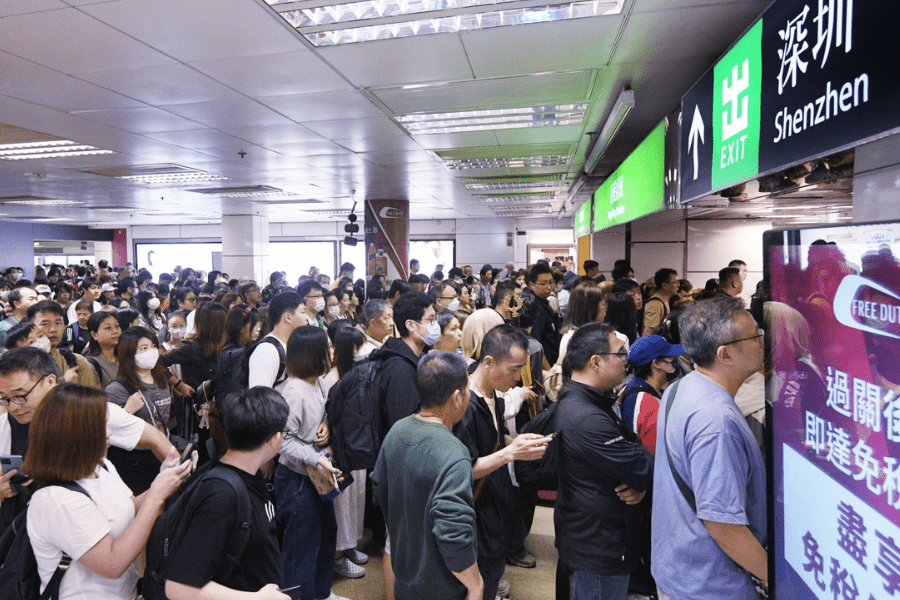
Nearly 1.26mn Hongkongers hop out of town, with 225,000 crossings by 10am
05-04-2026 17:11 HKT
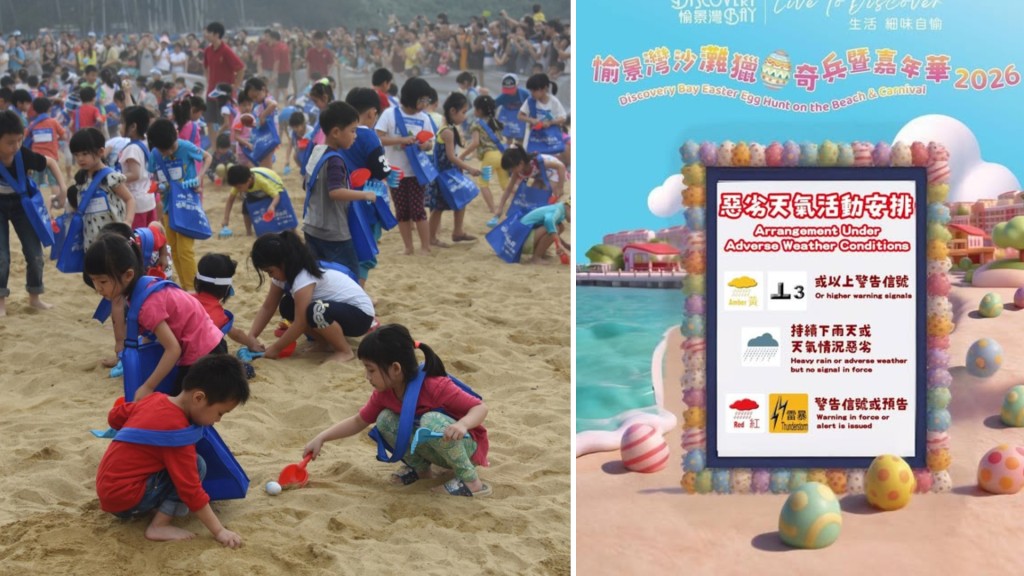
Families disappointed after Discovery Bay Easter Egg Hunt cancellation
05-04-2026 19:58 HKT


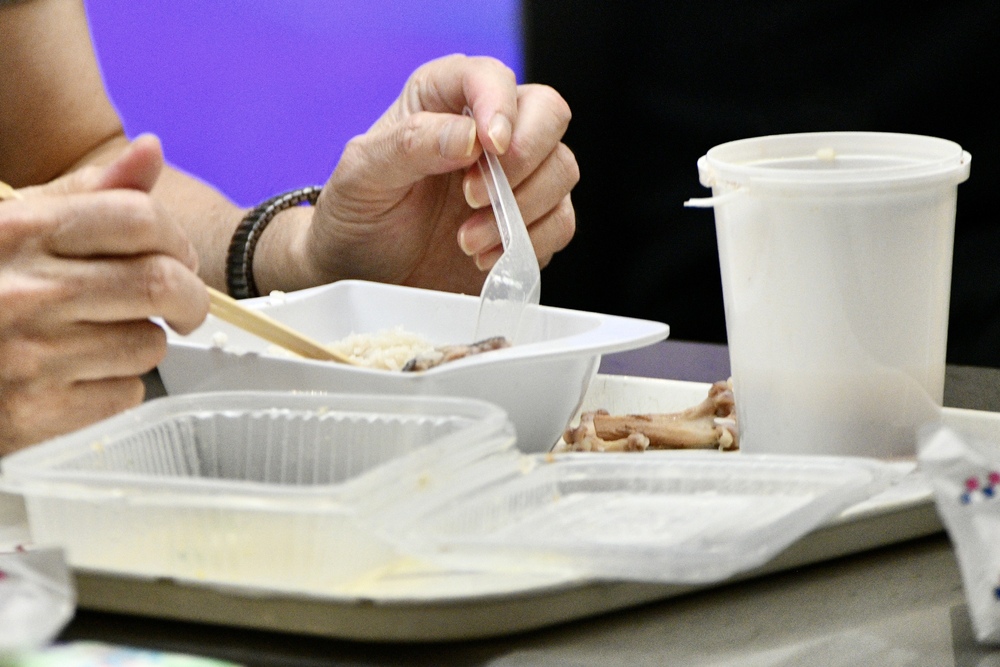
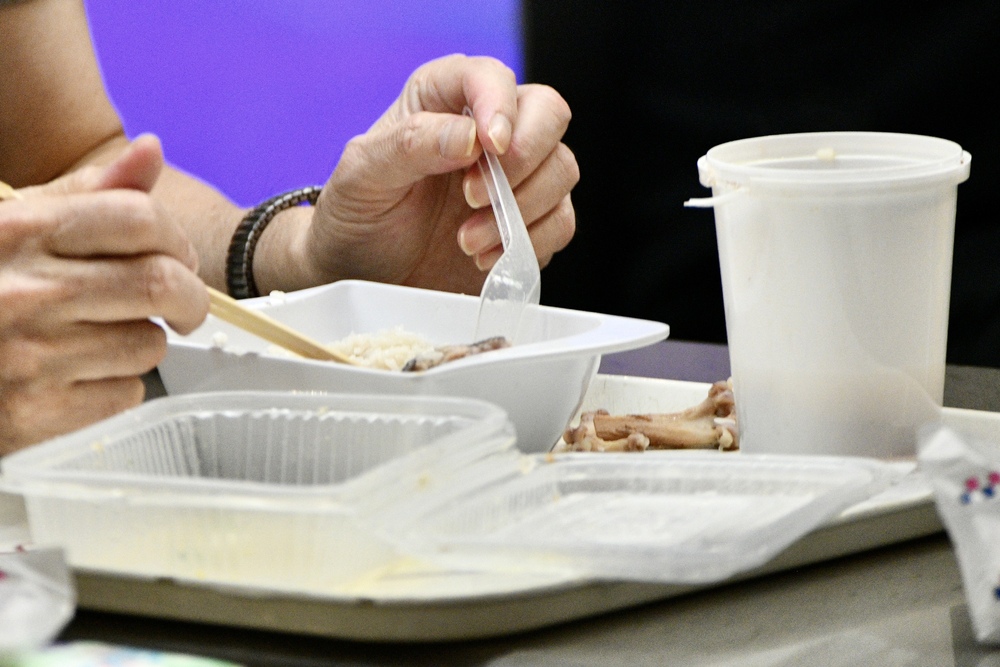
The upcoming ban on single-use plastic, set to be implemented by the administration on April 22, is not expected to significantly impact the operational costs of catering businesses.
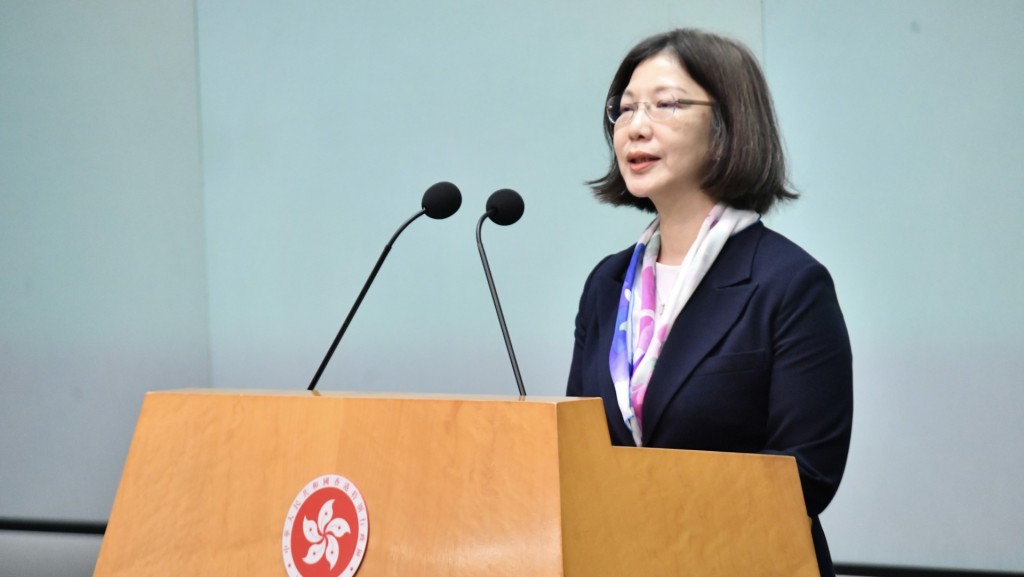
According to Kenneth Cheng Kin, assistant director of the Environmental Protection Department, the prices of substitutes for single-use plastic are comparable to those of plastic products.
Cheng said: "Non-plastic tableware, such as wooden forks, costs slightly more than their plastic counterparts, with a difference of half a Hong Kong cent."
Similarly, the cost of plastic stirring sticks is comparable to that of wooden stirring sticks. Based on these findings, he said the new regulation will not impose a substantial burden on the catering sector's operational costs.
Starting from April 22, the new policy will prohibit local merchants and retailers from selling or providing single-use plastic tableware, as well as other plastic products like plastic toothpicks and plastic-stemmed cotton buds. This announcement has led to panic buying of cotton buds, dental floss, and interdental brushes.
However, only plastic-stemmed cotton buds will be regulated, while alternatives such as cotton buds with paper or wooden stems are abundantly available in the market, including wooden toothpicks, dental floss, and interdental brushes, Cheng said.
The use of all Styrofoam tableware, including plates, food containers, and cups, will be banned in local restaurants for dining-in or takeaway purposes.
"The environmental harm caused by Styrofoam, as it is lightweight and can easily disintegrate into small pieces that can drift in the ocean, poses threat to marine ecology and human health," Cheng explained.
He added that recycling Styrofoam is not cost-effective, making reduction at the source critical.
Approximately 20 percent of municipal solid waste in Hong Kong consists of plastic waste, with plastic tableware accounting for 10 percent. In addition to the catering sector, hotels will be prohibited from providing plastic products such as toothbrushes, shower caps, and disposable plastic bottled water to customers free of charge, Cheng noted.
He said hotels must itemize the charges for plastic products on the bill and should not include them in the accommodation fees.
Cheng added that the administration plans to make aware of the plastic product charges by hotel for visitors at the airport, raising awareness about the devastating environmental impact of plastic usage.