Read More





Night Recap - September 20, 2026
5 hours ago


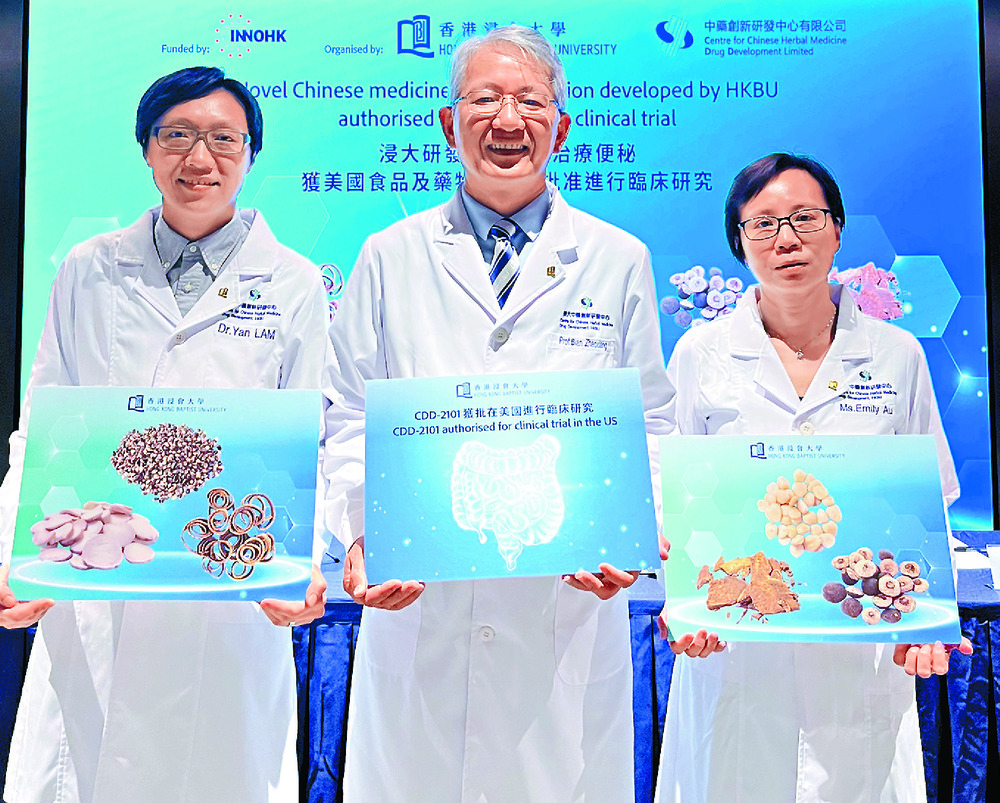
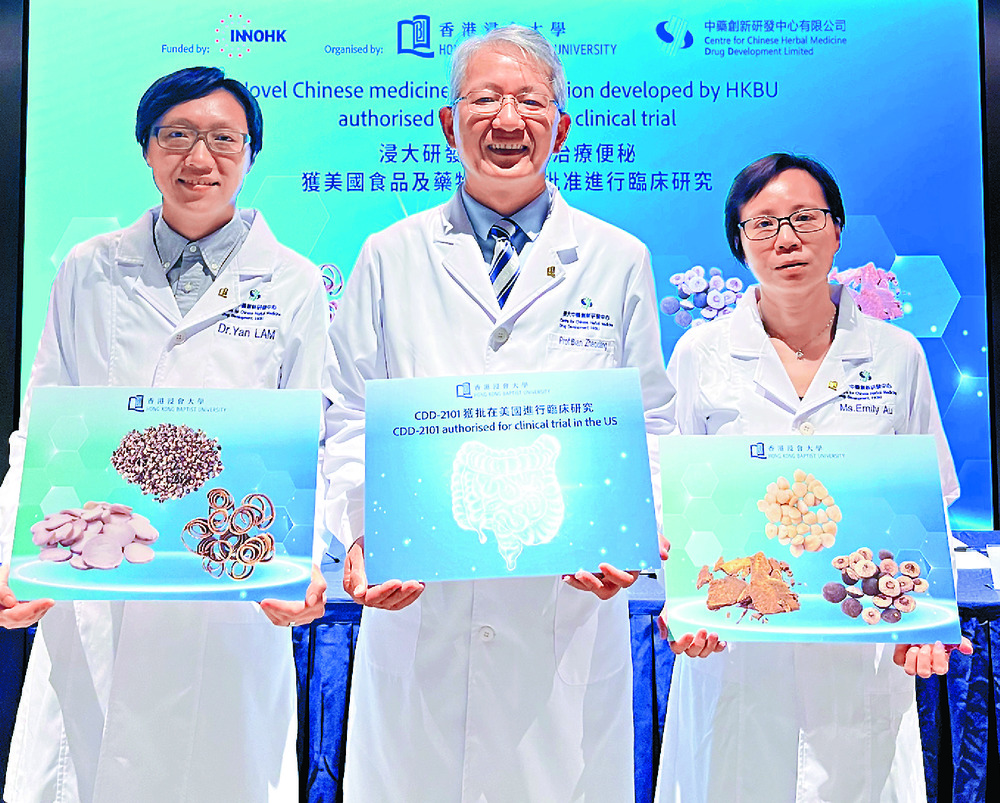
A novel Chinese medicine for chronic constipation developed by Hong Kong Baptist University is expected to undergo the first phase of clinical trial in the United States this year after the US Food and Drug Administration gave it the go-ahead in April.
The medicine, CDD-2101, is the first botanical drug developed in Hong Kong to be authorized for a clinical trial in America.
It was created by Baptist University's Centre for Chinese Herbal Medicine Drug Development based on the traditional Chinese medicine formulation, "MaZiRenWan," which is the most frequently used TCM for constipation.
Its ingredients include hemp seed, rhubarb, officinal magnolia bark, bitter apricot seed, bran stir-fired immature orange fruit and white peony root.
The BaptistU center has also adopted more stringent quality control measures to fulfill the US FDA requirements for botanical drug development.
"There are huge needs for better treatment medicine for constipation internationally, and MZRW is effective and safe," said center director Bian Zhaoxiang, who is also BaptistU's associate vice-president (Chinese medicine development).
Up to 60 percent of the American population self-reported constipation in the past 12 months, and around 14 percent suffer from chronic constipation with symptoms persisting for at least three months.
Current therapy treating constipation include lifestyle and dietary modifications. Laxatives may also be used if initial therapy achieves little benefits. However, over half of the patients are not satisfied with their current medications because of limited efficacy or adverse reactions.
"A series of clinical studies conducted by our group in Hong Kong since 2006 has proved the formulation of MZRW is effective and well-tolerated, with no serious adverse events being reported," Bian said.
"We hope to target the international market, combining traditional wisdom with modern cutting-edge technologies," he added.
CDD-2101 first requested a pre-investigational new drug meeting with FDA in December 2021, and received authorized notification from FDA to conduct phase one clinical trial in April this year.
The phase one clinical trial of CDD-2101 is expected to commence later this year. Twenty healthy American volunteers will receive one dose of CDD-2101 or placebo and be monitored for 24 hours to evaluate the safety, tolerability and pharmacokinetic profile of the medicine.
Phase two studies will focus on patients with chronic constipation to collect safety and preliminary efficacy data, and phase three trial will test large-scale population to demonstrate CDD-2101's benefits and monitor for adverse reactions.
The whole process is expected to take four to five years.
"We hope CDD-2101 could provide valuable experiences for the development of TCM," Bian said.
Bian's center was established in 2020 and funded by the Innovation and Technology Commission's InnoHK initiative.
"We hope more large biomedical companies could invest in our project during the phase two and three trials to facilitate the process," he said.