Read More
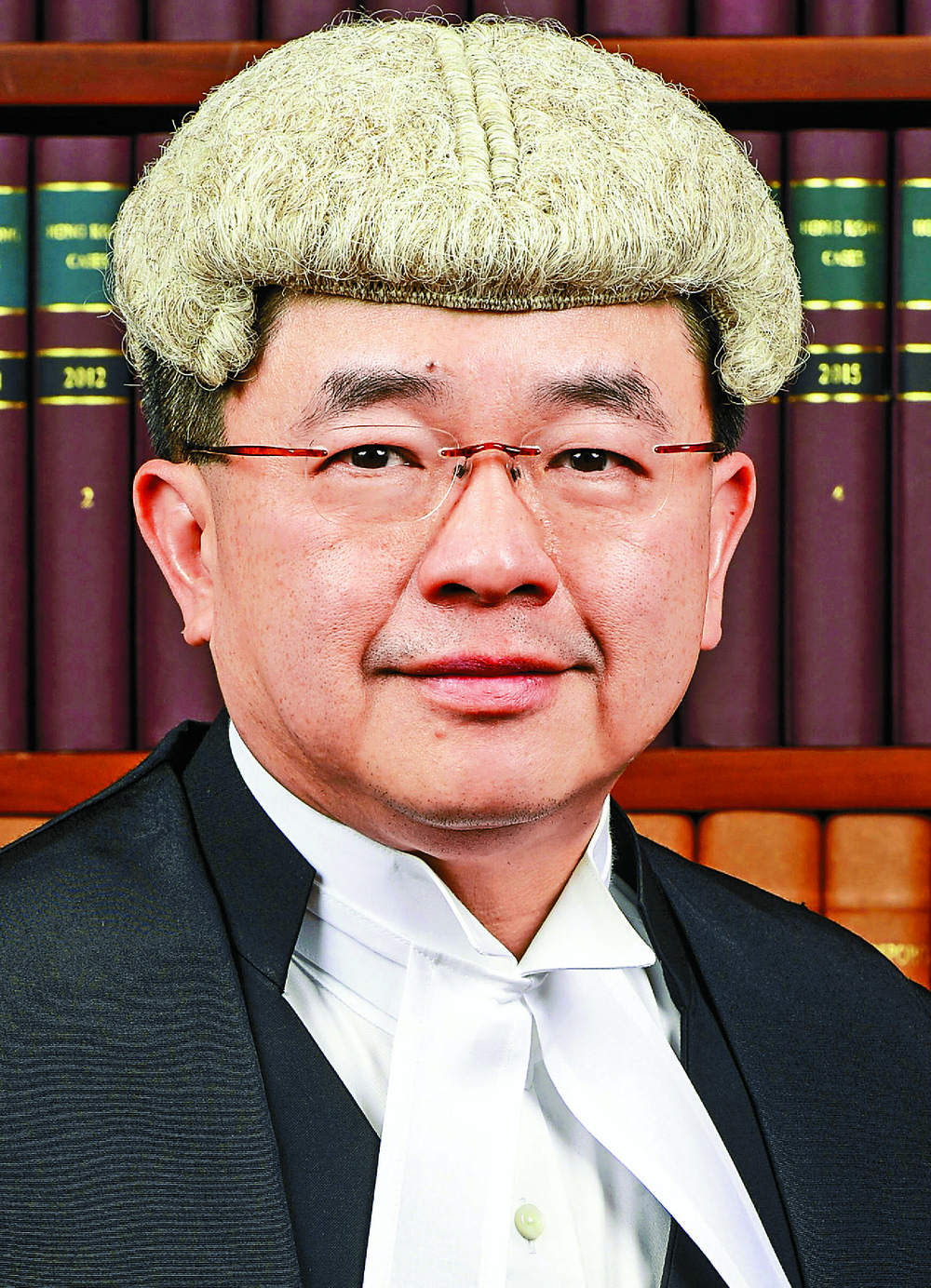
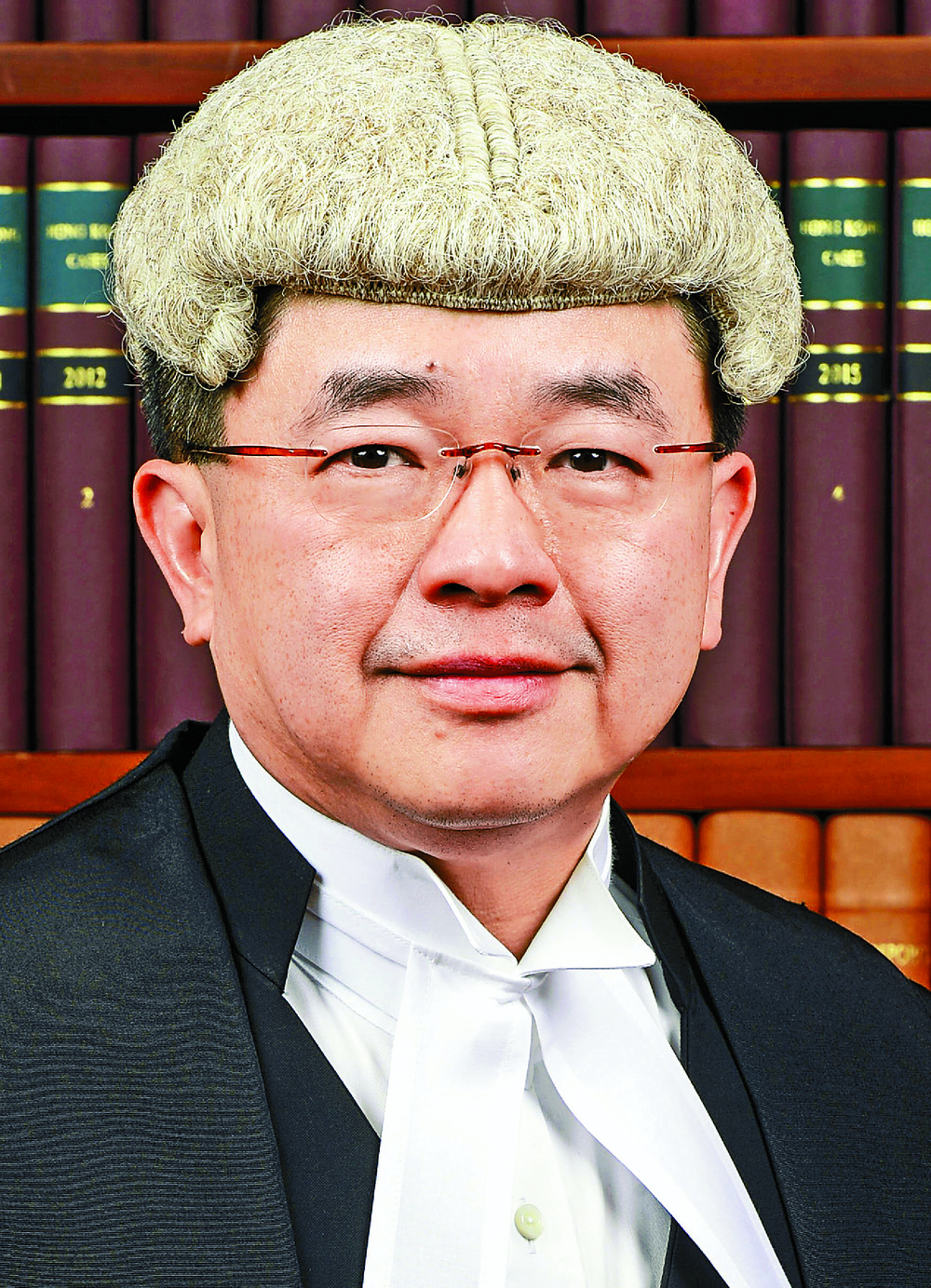
High court judge Anthony Chan Kin-Keung will preside over the government's application for a ban on the protest song Glory to Hong Kong.
ADVERTISEMENT
SCROLL TO CONTINUE WITH CONTENT
The request was earlier heard by another judge Wilson Chan Ka-shun, who was involved in a judicial plagiarism scandal.
Anthony Chan will preside over a hearing of the case on Friday that is expected to last three hours.
The Department of Justice filed a writ with the court last month, intending to restrain anyone from broadcasting, performing, displaying or reproducing the protest-related song in any way, including on the internet.
The injunction would identify anyone who defies the restraints as inciting others to separate Hong Kong from China - a seditious act that is tantamount to insulting the national anthem.
The department has uploaded copies of the writ and summons for the interim injunction to government websites for the public to access.
Wilson Chan, a designated national security law judge, was found to have committed "judicial copying" in at least two cases, as 98 percent of his judgment for an intellectual property claim case was the plaintiff's written submissions.
Chief Justice Andrew Cheung Kui-nung said judicial copying was unacceptable and could affect public confidence. Cheung instructed the Judicial Institute to strengthen training for judges and judicial officers.
Reporters can "report, refer to and make observations" after the department agreed to include a proviso in the injunction to protect press freedom in regard to the song, the Hong Kong Journalists Association said.
In welcoming the department's decision yesterday, it said it would no longer make its own application on the issue during Friday's hearing.
"The HKJA understands the proviso protects journalists from civil liability in clear and unequivocal terms when they report, refer to and make observations about the song and its various elements in the course of news gathering, interviews and in commentaries," it said,
"It also covers any publication of articles, programs, or posts or tweets, etc on online platforms done for news or current affairs purposes, as well as related journalistic activities done inside or outside Hong Kong. Logically, previously published news, interviews and current affairs articles involving the song should also be similarly protected."
It stressed that it has no intention to publish or broadcast the song, nor to commit any act of sedition, secession or to insult the national anthem.