Read More



Morning Recap - October 23, 2026
10 hours ago
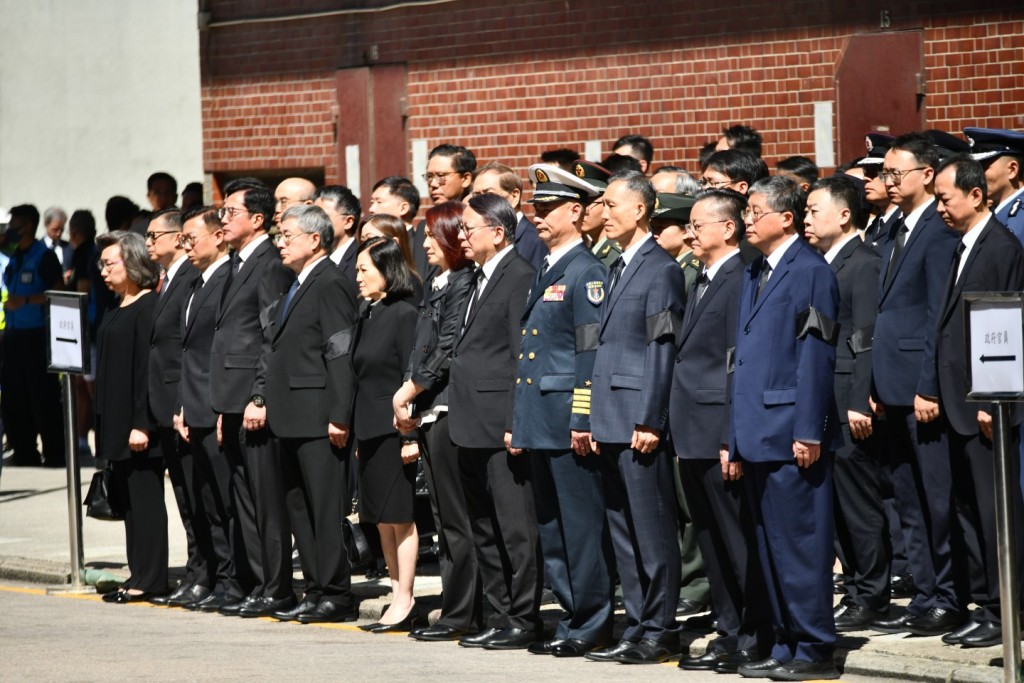
Late police constable Chu Chun-kwok to receive full honors funeral on Fri
22-10-2026 15:33 HKT


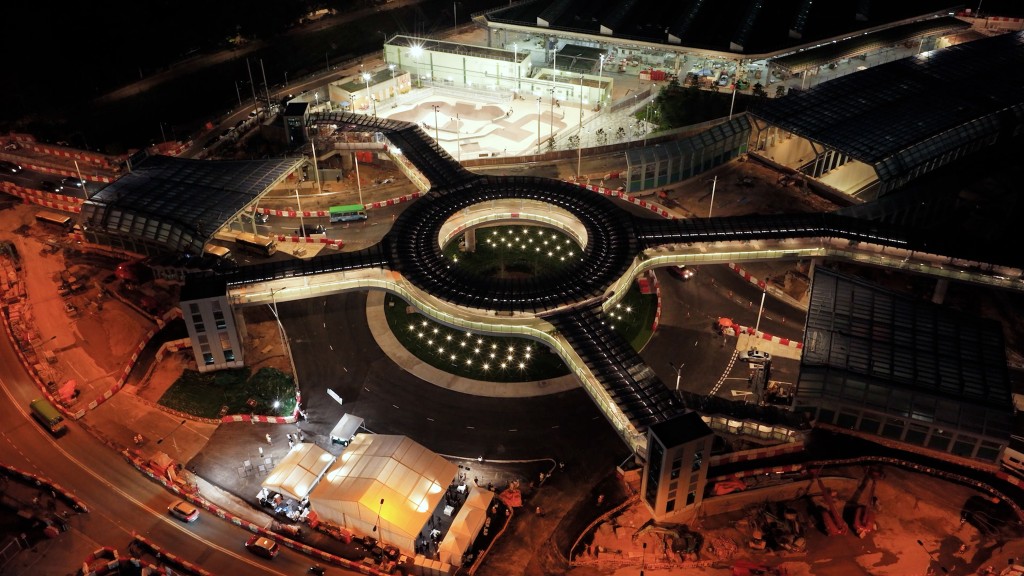
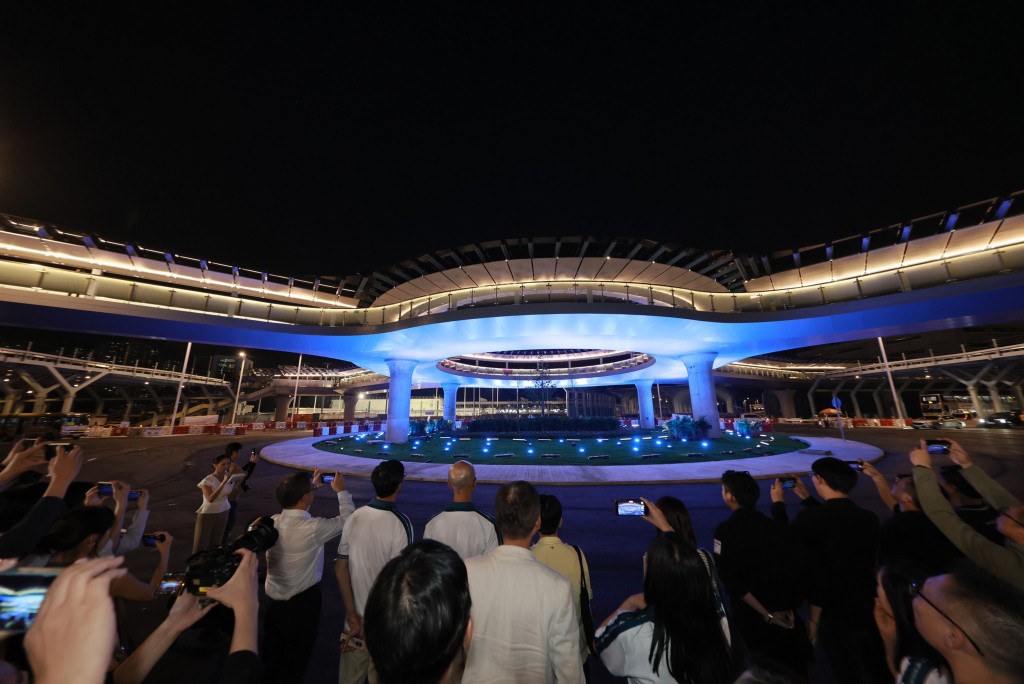
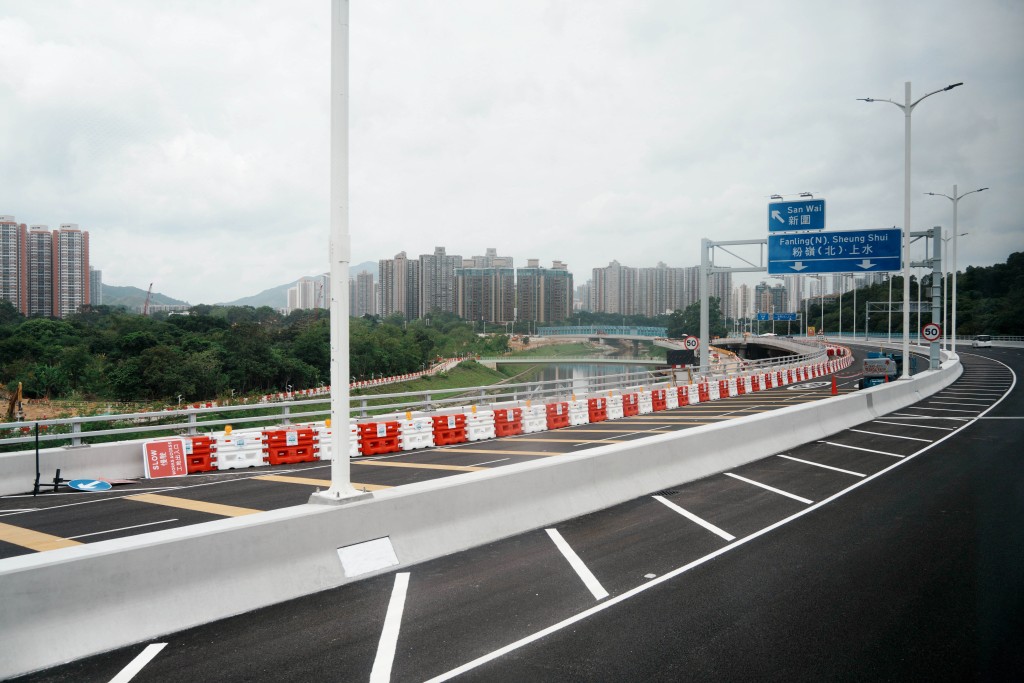
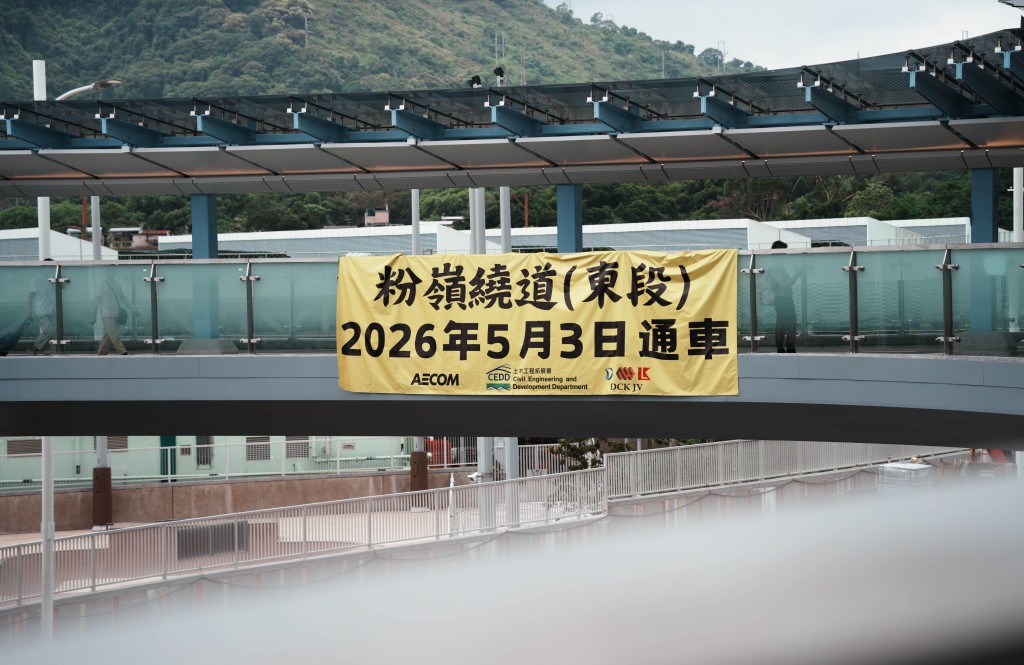
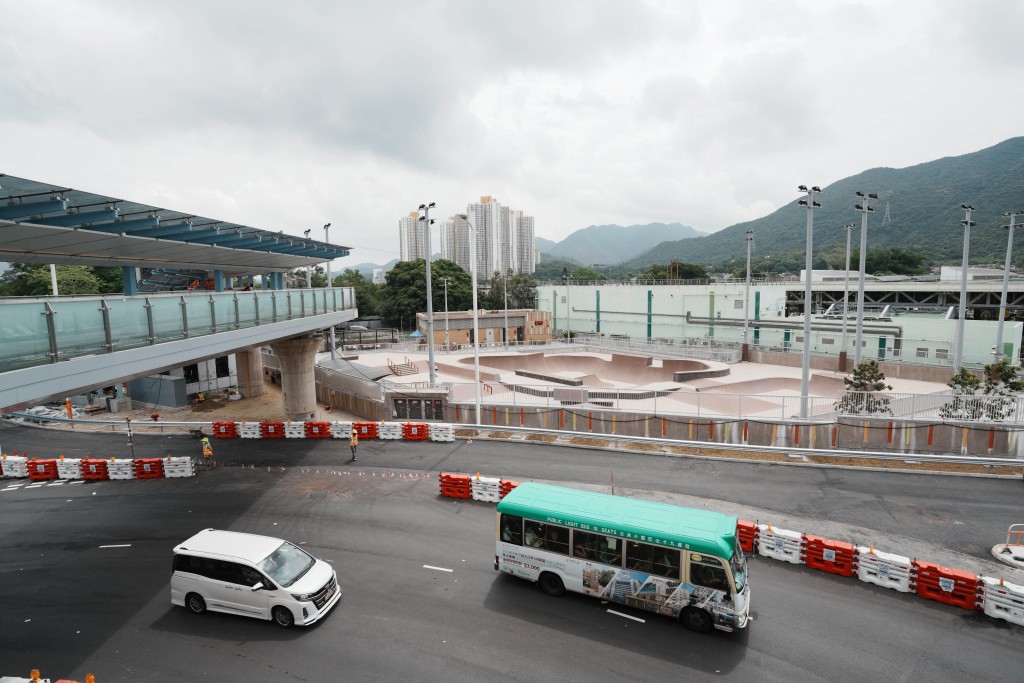
The Eastern Section of the Fanling Bypass, the first major transport infrastructure project completed for the Northern Metropolis, is set to open to traffic this Sunday, promising significant time savings for commuters. Residents in the Luen Wo Hui area will now be able to travel to Kowloon approximately 10 minutes faster by avoiding chronically congested local roads.
The four-kilometer bypass is a dual two-lane carriageway. It starts at Fanling Highway near Kau Lung Hang in Tai Po, passing through the On Lok Tsuen Industrial Area and the Lung Yeuk Tau Interchange, extending along the Ng Tung River, and connecting to Shek Wu San Tsuen and the Fanling North New Development Area.
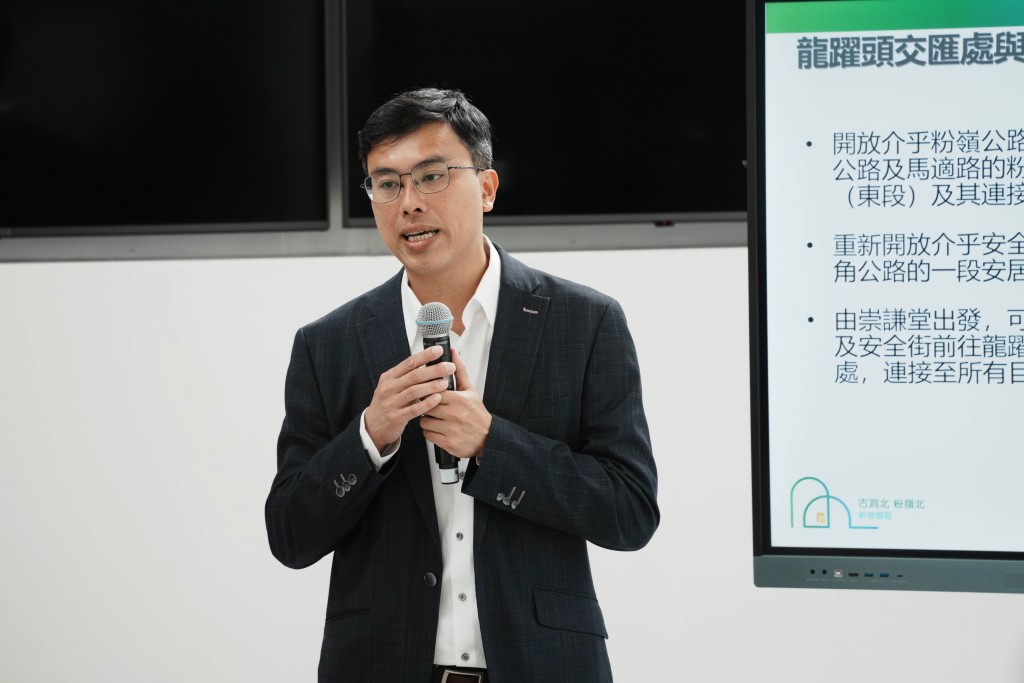
Chief Engineer Pakin Cheung Pak-kin, from the Civil Engineering and Development Department, said there would be no need to pass through Sha Tau Kok Highway and Horse Racing Club Road, which are often crowded when commuting to work and school in the morning.
It will not only facilitate the development of the Fanling North New Development Area but also connect urban and rural areas, he added.
Cheung said the bypass project is massive, requiring the repossession of over 50 percent of the land in the initial stages.
Construction also faced geographical and environmental constraints. The elevated section must avoid heavy traffic on Fanling Highway and the large surface water pipes of the Dongjiang River, while also minimizing impact on the villages of Lung Yeuk Tau, Tong Hang, and Tsung Kyam Church.
Furthermore, some sections must cross the existing MTR East Rail Line, which means construction can only be done during brief periods after train service hours in the middle of the night.
The construction of the bypass also marked the first time the horizontal bridge rotation method had been deployed to allow a section of the bypass to span across the East Rail Line.
This allowed workers to construct a large section of the bridge in a temporary position nearby and then rotate it into its final alignment over the railway tracks in just two nights, he explained.
Cheung also highlighted the use of China-made S960 ultra-high-strength steel in a cycle track and pedestrian bridge at the Lung Yeuk Tau Interchange, with strength about three times higher than that of conventional types.
He said that compared to usual concrete structures, they saved 30 percent of the construction cost, as it is lighter, and the time needed for construction would also be reduced.