Read More



Amber rainstorm warning issued at 11am
4 hours ago



Iran demands transit fees in yuan, stablecoins for Strait of Hormuz passage
03-04-2026 02:45 HKT
It is unreasonable to say the slogan "liberate Hong Kong, revolution of our times" advocates independence just because it appeared at the same time and place as pro-independence slogans, a University of Hong Kong expert testified at the trial of Hong Kong's first national security defendant.
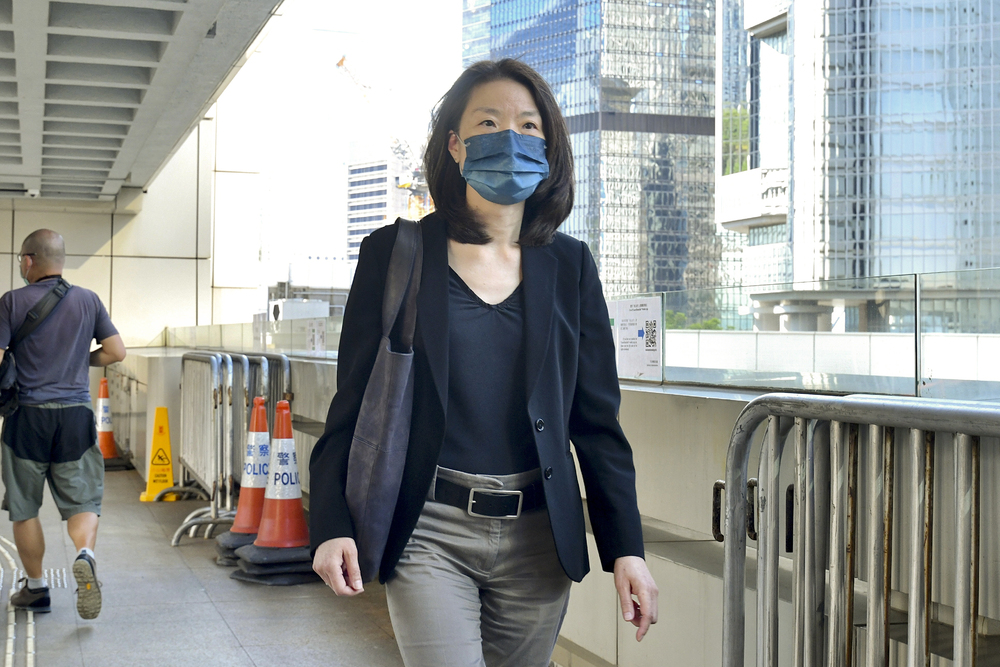
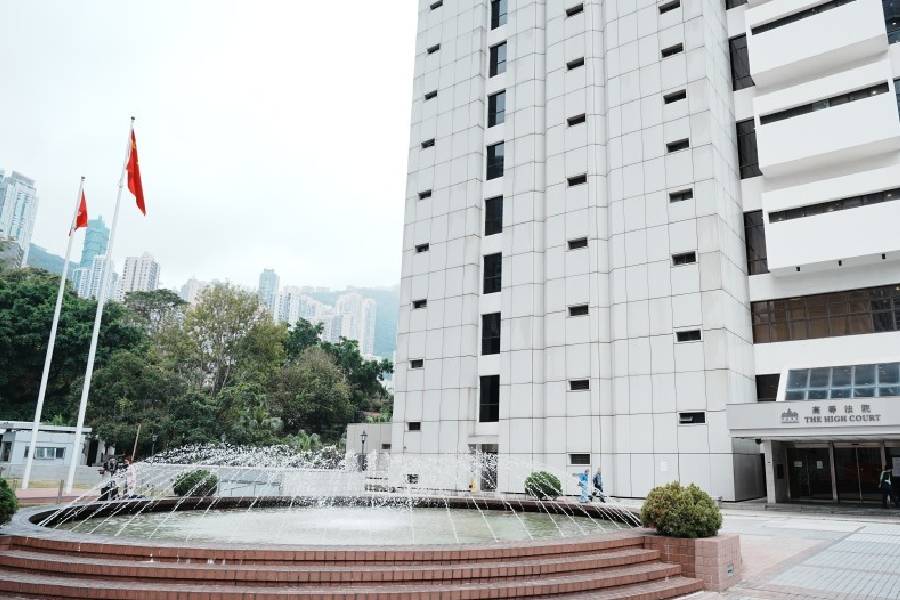
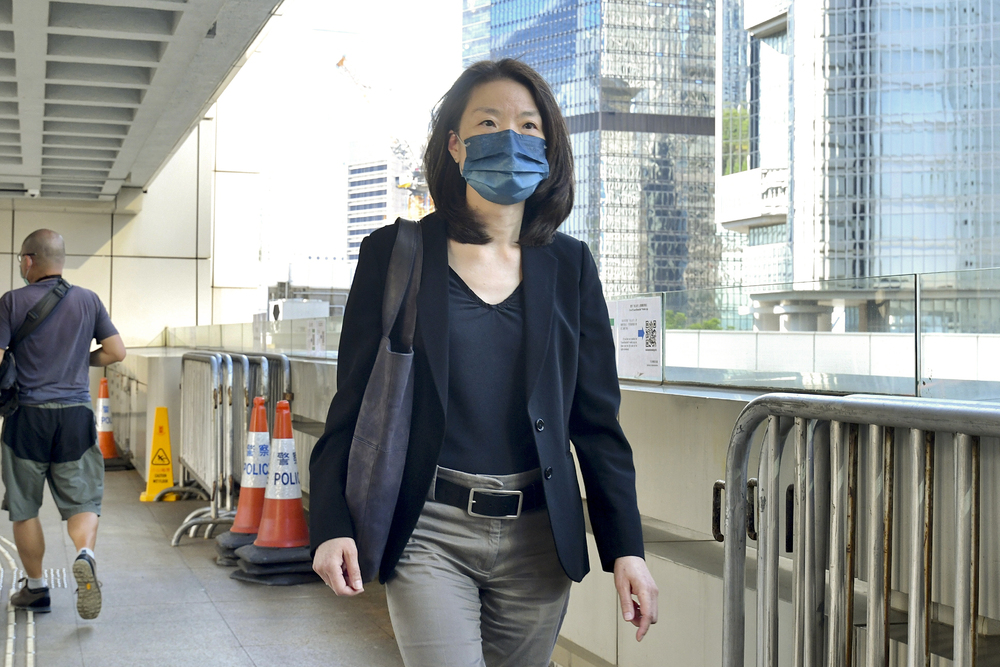
Many slogans were used in protests, such as in July 1 rallies, but they might not be related, professor Eliza Lee Wing-yee, who is with HKU's department of politics and public administration, told the high court yesterday for the defense.
Tong Ying-kit, a 24-year-old waiter, is alleged to have rode his motorcycle at a group of police officers in Wan Chai while flying a flag with the "liberate Hong Kong, revolution of our times" slogan last July 1 - the day the national security law went into effect.
He pleads not guilty to inciting secession, terrorism and an alternative charge of dangerous driving causing grievous bodily harm to three police officers.
Lee told national security judges Anthea Pang Po-kam, Esther Toh Lye-ping and Wilson Chan Ka-shun yesterday that people would chant different slogans during protests, including those fighting for the rights of sexual minorities or domestic workers.
But that does not mean the slogans are related and not everyone who attended a protest will agree with all the slogans shown, she said. Therefore, she argued, Tong's espousal of one slogan should not be taken as an agreement with other slogans that advocate independence or colonial rule.
Lee also said protesters holding a colonial flag may not necessarily hope the United Kingdom would take over Hong Kong again but do so to voice discontent over the city's current situation.
They could wish for a restoration of the social environment and order that prevailed during colonial times without necessarily wishing to restore colonial rule, she added.
Under cross-examination, deputy director of public prosecutions Anthony Chau Tin-hang said the word "liberate" means to set someone or a country free from another's control, and thus "liberate Hong Kong" means to "reclaim" it from the hands of the enemy.
Lee agreed that could be one of the interpretations of the slogan, but added it was unreasonable and showed poor understanding. Hong Kong was never an independent country and never had sovereignty; therefore, it could never "reclaim" its sovereignty from China, she added.
Chau also questioned her expertise, saying her Chinese history education stopped at the seondary three level. But Lee said she took history as a minor at Chinese University and was familiar with Chinese history.
She also said that she wrote the expert report after conducting online questionnaires, focus group interviews, phone interviews, and research at protest scenes, while the prosecution expert Lau Chi-pang only relied on police statistics regarding the use of slogans.
The hearing continues today.