Read More




Morning Recap - September 17, 2026
3 hours ago







Four arrested over Pokémon card scams involving $101,000
15-09-2026 18:26 HKT
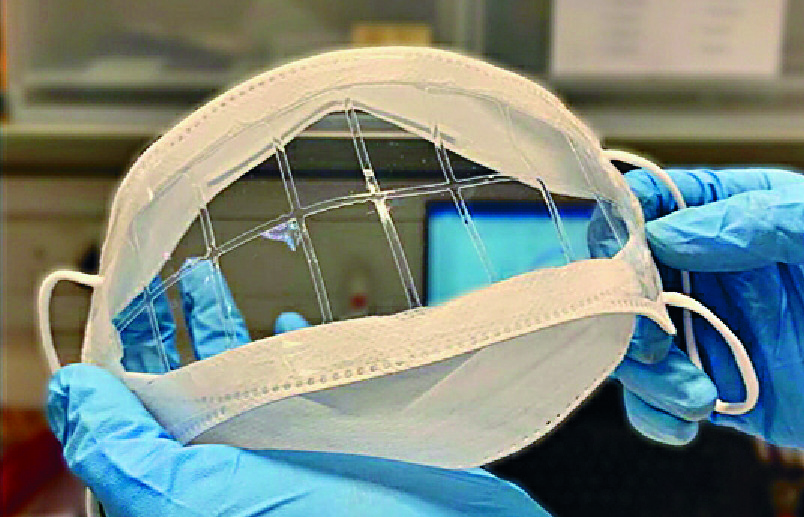
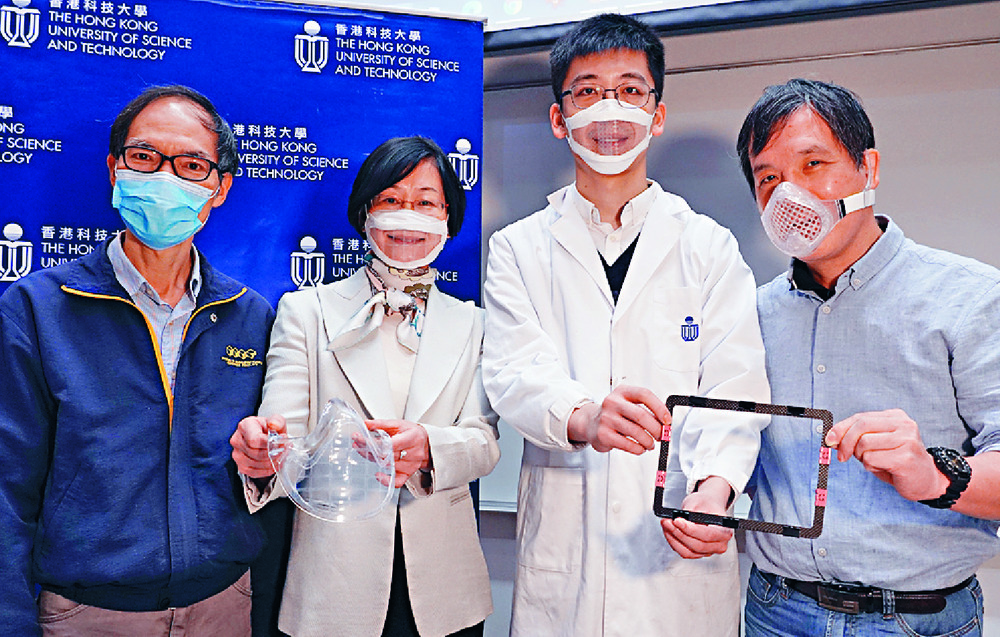
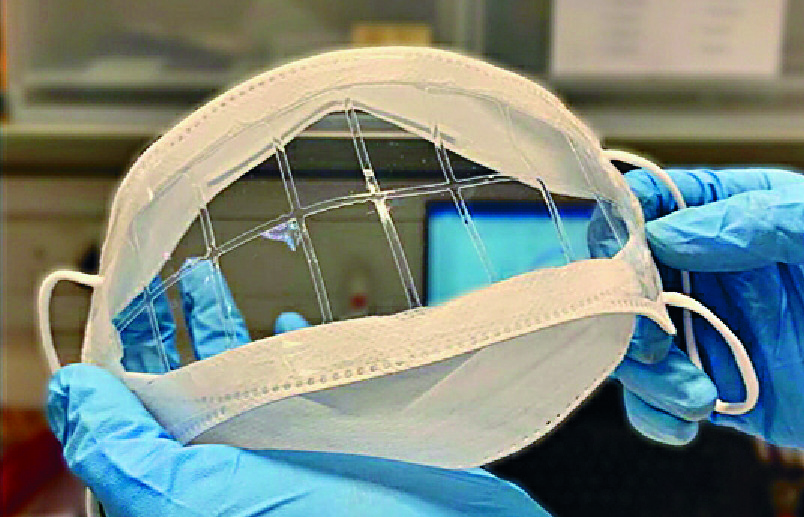
Researchers from the University of Science and Technology have developed an ultra-thin polymer nanofilm - an advanced material that could be used to create transparent face masks.
Although the new material is only 20 nanometers thick - less than one-thousandth the thickness of a hair strand - it is 25 times stronger than stainless steel of the same mass, researchers said.
They also said the extremely transparent, gas-permeable and waterproof material will be suitable for use in wearable devices, medical protection, desalination, solar cells and many other technologies.
At a press conference yesterday, Gao Ping, professor of Chemical and Biological Engineering and acting head of the Advanced Materials Thrust at the university's Guangzhou campus, said the material could be used to produce a transparent and breathable mask with 99 percent efficiency for filtering out virus and bacteria.
"We haven't seen any kind of face mask in the market that bears all three properties," Gao said.
"While common opaque surgical masks can protect the wearer from infection, they are not convenient for hearing-impaired people who need to communicate via lip-reading and facial language; or teachers, child carers and performers who rely heavily on facial expressions in teaching, nurturing or performance."
Gao said the mask's raw materials are "as cheap as a garbage bag," but production would require a specific machine that's not yet in the market.
She said the university would like to mass-produce the transparent face masks if any manufacturer is interested.
Moreover, the material is ideal for biomedical uses because of its conformity and antibacterial yet strong properties. It can be used as wound dressing material that requires no daily replacement and allows direct medicine application.
"Wound dressing made with this nanofilm is particularly useful for patients who suffer large-scale burns," Gao said.
"It acts like a temporary skin to the burn victim. Doctors can apply medicine directly over the film, which would filter through to the wound beneath. As the film is completely water-proof, wearers can even take a shower."
The team has also filed patents for the material's application in other areas, including the desalination of seawater.
They said the nanofilm could build "the world's most potent polymeric membrane" for desalination, with efficiency 10 times higher than existing products in the market.
The team said it could also be used on motion sensors for people and robotics, as well as on electrical appliances.