Read More



Tropical Cyclone Dolphin to swap rain for 34 degrees sweat this weekend
04-08-2026 14:41 HKT
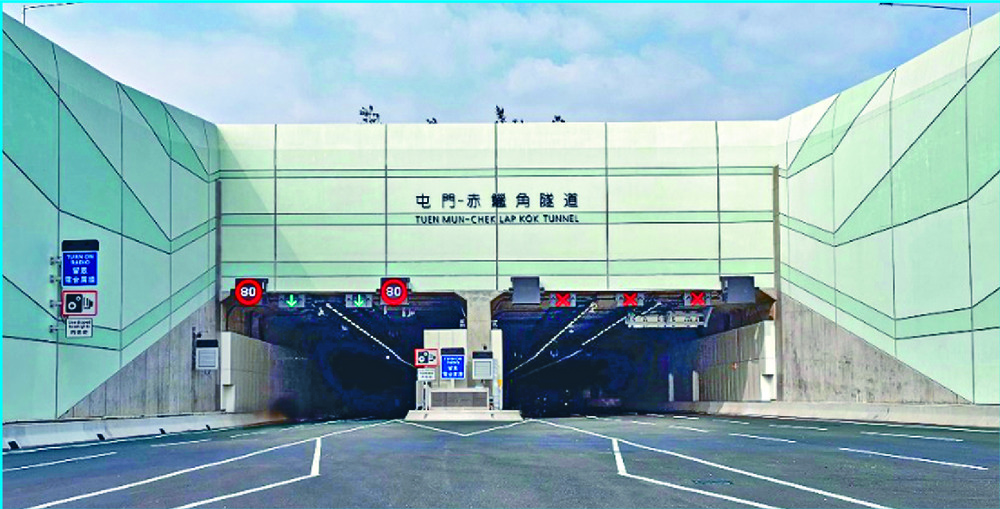
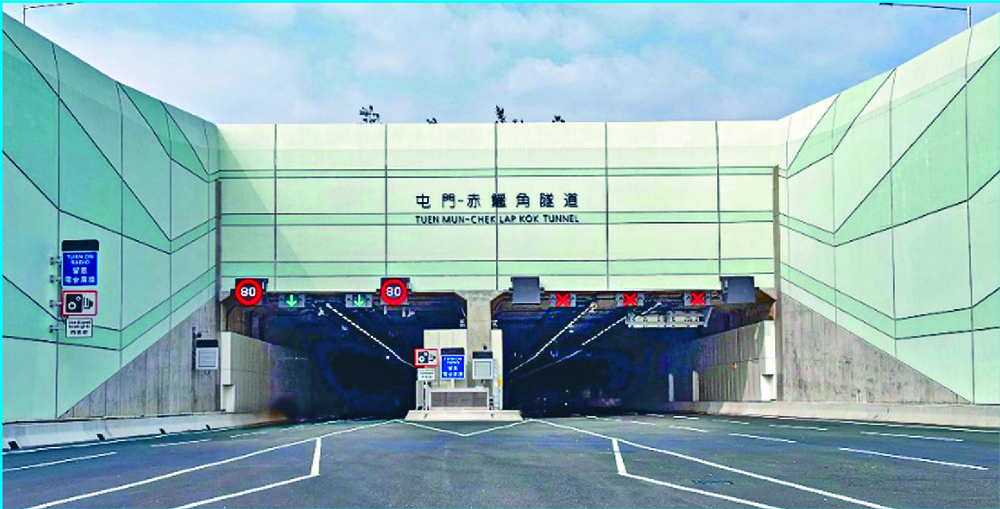
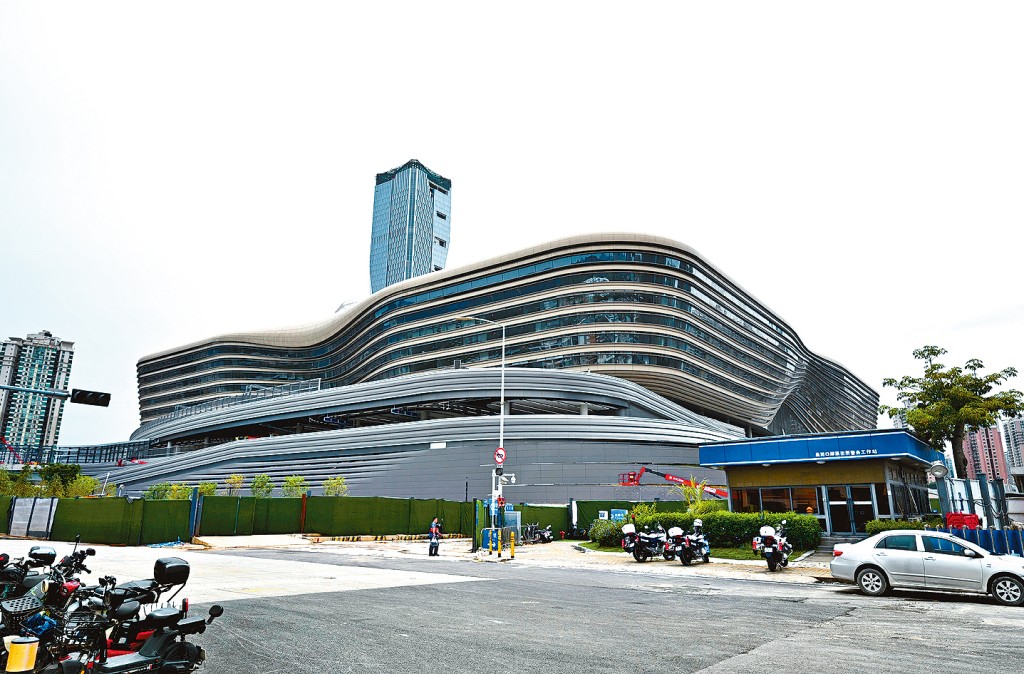
Innovative techniques were used to overcome difficulties when constructing the tunnel for the Tuen Mun-Chek Lap Kok Link's northern connection, which opens to traffic on Sunday.
The 5.5-kilometer connection links Tuen Mun south and the Hong Kong port at the Hong Kong-Zhuhai-Macau Bridge via the five-kilometer undersea tunnel.
After its opening, the journey from Tuen Mun to the airport will be shortened by about 22 kilometers, saving 20 minutes.
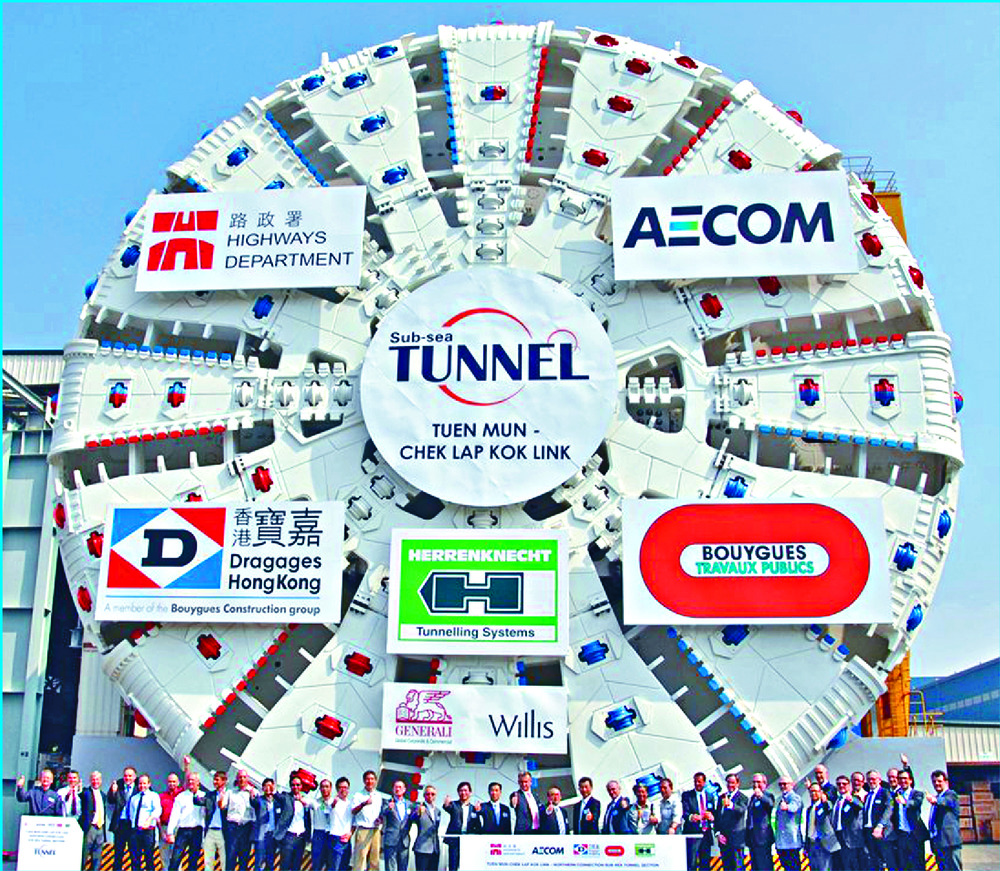
Techniques for constructing the SAR's longest and deepest undersea road tunnel included the use of massive boring machines to excavate the tube, which has a diameter as tall as a six-story building.
The boring machines use a rotating steel cutterhead at the front to go through various types of soil and rock. The machines also operate under pressurized conditions.
Engineer Ken Cheng Tsz-mau of the Highways Department said: "Compared to the traditional immersed tube method, the use of TBMs for the sub-sea tunnel construction has greatly reduced the amount of disposal and dredging of around 11 million cubic meters of marine sediment. That's the equivalent to the size of about 4,900 swimming pools.
"The adoption of TBMs can also save the need to divert power cables that are now serving the airport. With this measure we can greatly reduce the impact of construction on the environment."
The tunnel's deepest section is about 60 meters below sea level.
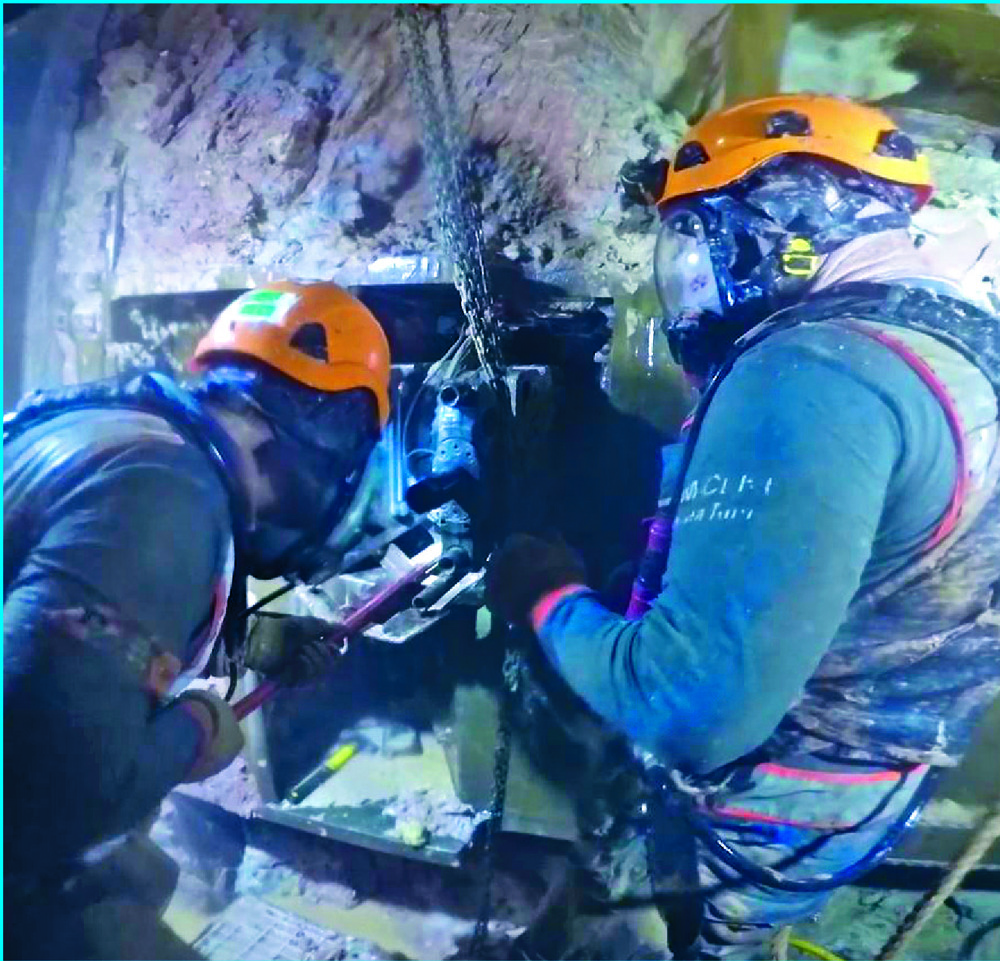
When boring under the seabed, specialist hyperbaric workers had to overcome an atmospheric pressure nearly six times greater than at the surface.
Cheng noted that there were pressurized chambers for workers to stay in when carrying out the undersea boring works on a 28-day work cycle.
Workers were transferred by pressurized shuttles to the excavation chamber to conduct their work and transferred back to the ground surface after working hours.
Utilities including drainage pipes, fire services systems, power supplies and signal control systems are also located under the carriageways in the tunnel.
"It enables part of the daily maintenance work on utlilties to be carried out while the tunnel is in operation," said Liz Li Lai-kuen, a Highways Department senior engineer.
"The tunnel does not need to close even if there are emergency repairs. Hence, it minimizes disruptions to traffic."