Read More

Amber rainstorm warning issued at 11am
10 hours ago
Man steals $22,000 Chanel handbag from Tsuen Wan Plaza shop
03-04-2026 20:43 HKT
Iran demands transit fees in yuan, stablecoins for Strait of Hormuz passage
03-04-2026 02:45 HKT
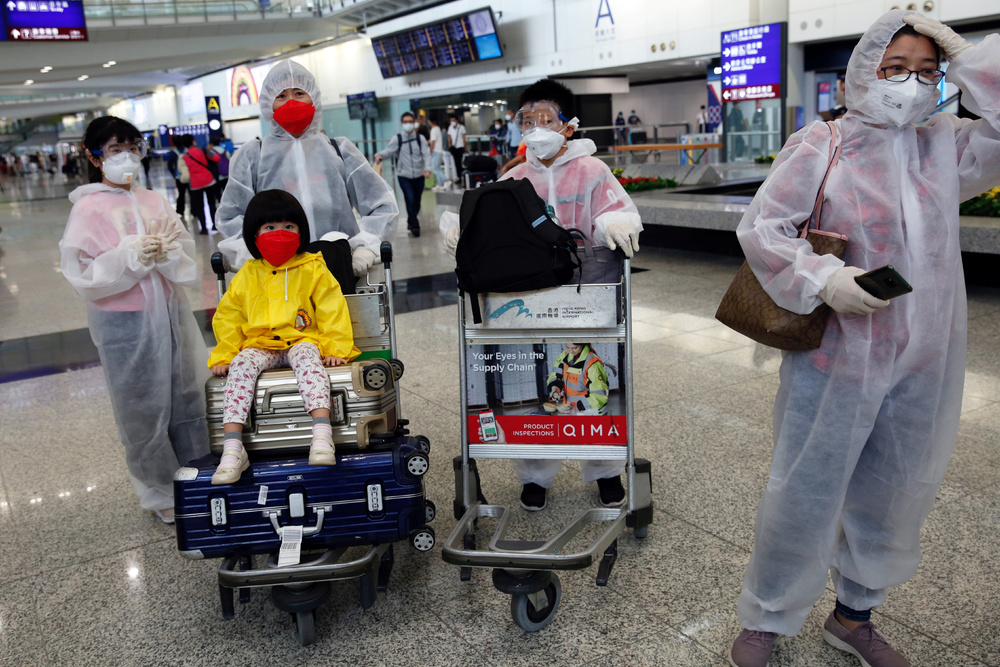
Top microbiologist Ho Pak-leung suggested all local students returning from overseas be quarantined and tested in centralized centers before allowing them to observe the rest of their 14-day self-isolation at home.
The University of Hong Kong infectious diseases expert also wants an entry ban on all non-residents to free up quarantine facilities for returning residents.
He advised family members of returning residents in isolation to wear masks all the time and dine separately at home.
Ho yesterday predicted that there would be a large influx of overseas students from Europe and the US ahead of the Easter holiday in the coming two weeks.
“Some returning students might have been infected or will feel sick within two weeks. I am worried if they go home immediately after arriving back,” said Ho, adding that some residential environments are unsafe for isolation.
He called for a two or three-day quarantine for returning students in centralized centers before allowing them to continue their isolation at home.
Temperature checks and samples can then be collected for virus tests at the quarantine centers.
Ho added that “there are strong administrative and infection-control measures in centralized locations to ensure the safety of the quarantine process,” which he said is a more “practical and feasible” approach than allowing students to stay in districts all over the SAR.
Hotels and empty housing estates can be used as quarantine centers.
Ho’s suggestion came after Chief Executive Carrie Lam Cheng Yuet-ngor announced a red travel alert on all foreign countries yesterday, requiring everyone arriving from overseas - both foreign visitors and SAR residents -- to conduct 14 days of self-isolation or medical surveillance.
Given that all countries are going with an entry ban on all non-residents, “the SAR government should also adopt the same measures to combat the pandemic.”
He also said the people of Hong Kong should not travel at least until end of the year.
David Hui Shu-Cheong, the director of Chinese University's emerging infectious diseases center, backed Ho's recommendation, suggesting there be a "reduction in worldwide interactions.”
Hui foresees an outbreak in the southern hemisphere in the summer and in the northern hemisphere again in the winter, saying "the pandemic will not end in the long run."