Read More



HK unlikely to be hit as Typhoon Champi gathers strength
15-10-2026 17:54 HKT

Elon Musk unveils Tesla's 'flying' car
12 hours ago
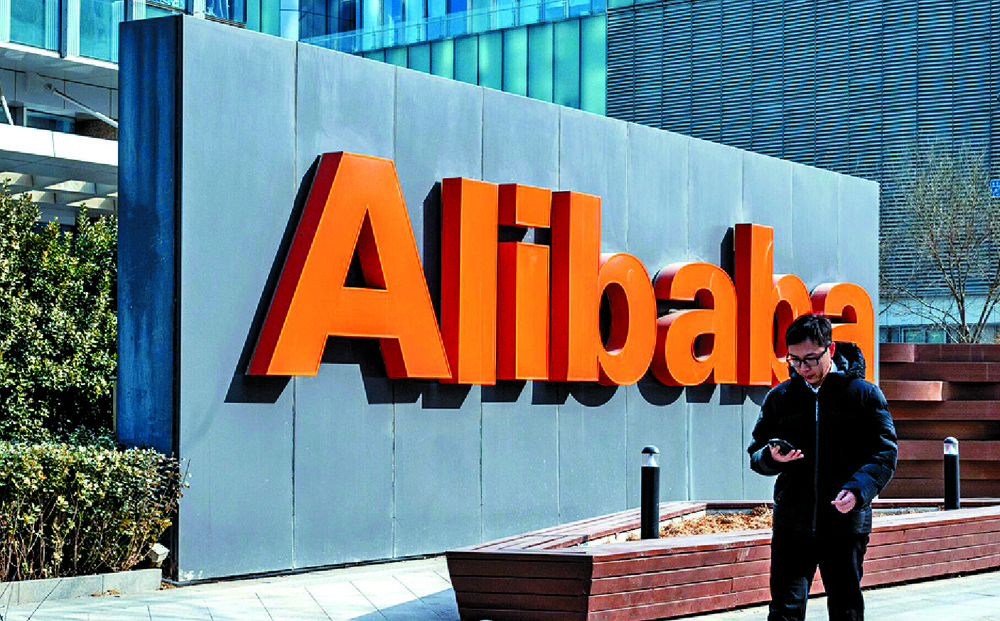
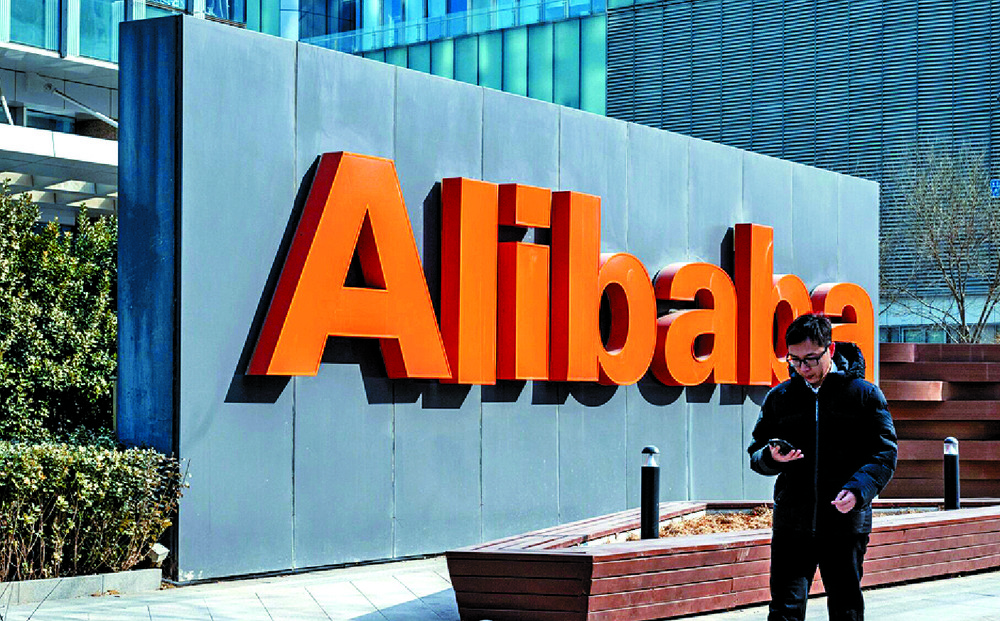
Alibaba (9988) has revealed a plan to increase its stock repurchase program by US$25 billion (HK$195 billion) after missing market estimates for its third-quarter revenue ending in December.
Analysts said this reflects how rivals such as PDD are eroding Alibaba's dominance in China.
The Hangzhou-based group, which intends to restructure its major business lines into independent units, posted a 5 percent rise in December quarter sales to 260.3 billion yuan (HK$286.3 billion) against an average 261 billion yuan as forecast by analysts.
The group's net profit for the period fell nearly 70 percent to 14.4 billion yuan from a year earlier.
The adjusted profit - a popular measure for tech companies - dropped 4 percent to about 48 billion yuan from a year ago.
The internet company's board approved the expansion of an existing buyback program that was already among the country's largest, encompassing about US$9.5 billion last year alone. Its shares gained briefly by more than 5 percent before giving up those gains in pre-market trading in New York.
The buyback helped soothe concerns about the online shopping pioneer's performance which is often viewed as a barometer of Chinese consumer demand, in the face of competition from rivals from PDD to ByteDance.
The disappointing sales cast uncertainty on a restructuring plan that will see the group split into several units including cloud and logistics, an overhaul expected to revive growth.
Alibaba is trying to stage a comeback from years of brutal government punishment and strategic missteps that is costing the e-commerce operator its place as the leader of the country's tech industry.
In November, co-founder Jack Ma Yun urged the company to correct its course.
Chief executive Eddie Wu Yongming and chairman Joseph Tsai Chung-hsin, two of Ma's longest-standing confidantes, took the helm after then chief Daniel Zhang Yong abruptly quit, and are now charged with effecting the complicated multi-way split.
This involves streamlining and major moves.
Wu is nourishing a cohort of younger executives to revive its core Taobao and Tmall platforms as well as exploring ways to unload non-core assets and dial back Zhang's years-long "new retail" ambition.
At the same time, Alibaba must find an answer to Douyin, which has won shoppers over and grew sales more quickly during last year's Singles' Day shopping frenzy.
Competition "is likely to continue to center on building market share at low prices," Kenneth Fong, head of China internet research at UBS, said prior to the results.
"Even if macroeconomic recovery occurs, price wars between platforms are likely to continue," he said.